 1 hour ago
11
1 hour ago
11
North America is the world’s second-largest new vehicle market, but it’s top of Audi’s priority list when it comes to the future of the company. Its new Q9 and Q7 SUVs are specifically designed to appeal to the region and will play a key role in that strategy.
“North America clearly a core part of all these strategy globally, one of the three big markets,” Audi CEO and Chairman of the Board of Management Gernot Döllner told Newsweek. “The biggest potential we see for Audi [is] definitely in the U.S.,” he continued.
Audi of America, the company’s sales arm for the U.S., Canada and Mexico, had a tough 2025, selling just 164,942 vehicles, a 16.1% decline from 2024. The automaker, like its German rivals Mercedes-Benz and BMW, faced strong competition in the luxury space and headwinds from U.S. tariff policies.
Where Audi faltered, its rivals gained. BMW sold 388,897 vehicles in the U.S. alone in 2025, a 4.7% increase over 2024. Mercedes-Benz USA reported 343,200 units sold in the same period, with passenger cars and SUV sales up 1% year-over-year.
Luxury brands account for about 12.5% of total U.S. auto sales, approximately 2 million units annually. About 1.6 million of those are luxury SUVs.
The next-generation Q7 will compete directly with BMW X5 and Mercedes-Benz GLE. The X5 was last refreshed in 2024. Mercedes recently introduced a freshened GLE, which CEO Ola Källenius cautioned is more than just a typical refresh.
“The Q9 and the Q7 are at a very core of our U.S. product strategy,” Döllner said.
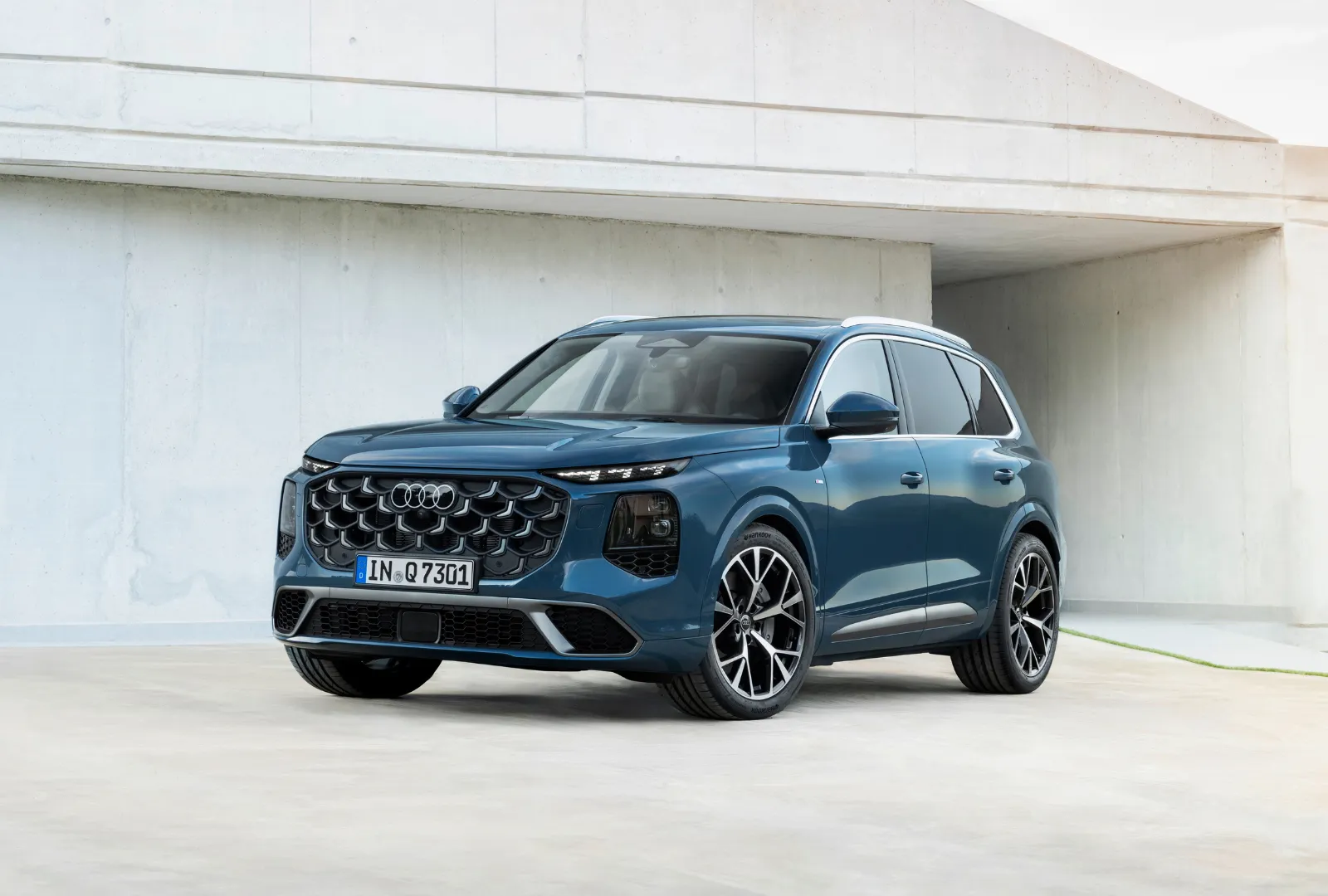
Audi’s given the new Q7 fresh technology, more comfortable seats, high-tech lighting and a robust power increase for the 2027 model year. Those advances move the model more in line with the competition.
The larger, three-row Q9 builds on that foundation and is delivered as a true flagship model for the automaker. It offers technology you can find in a Rolls-Royce Cullinan, including self-opening and closing doors. Unlike the Cullinan, the interior of the Q9 is screen-heavy
Its closest rival isn’t the Cullinan, however, it’s the BMW X7 and Mercedes GLS. Like the GLE, an updated GLS recently debuted.
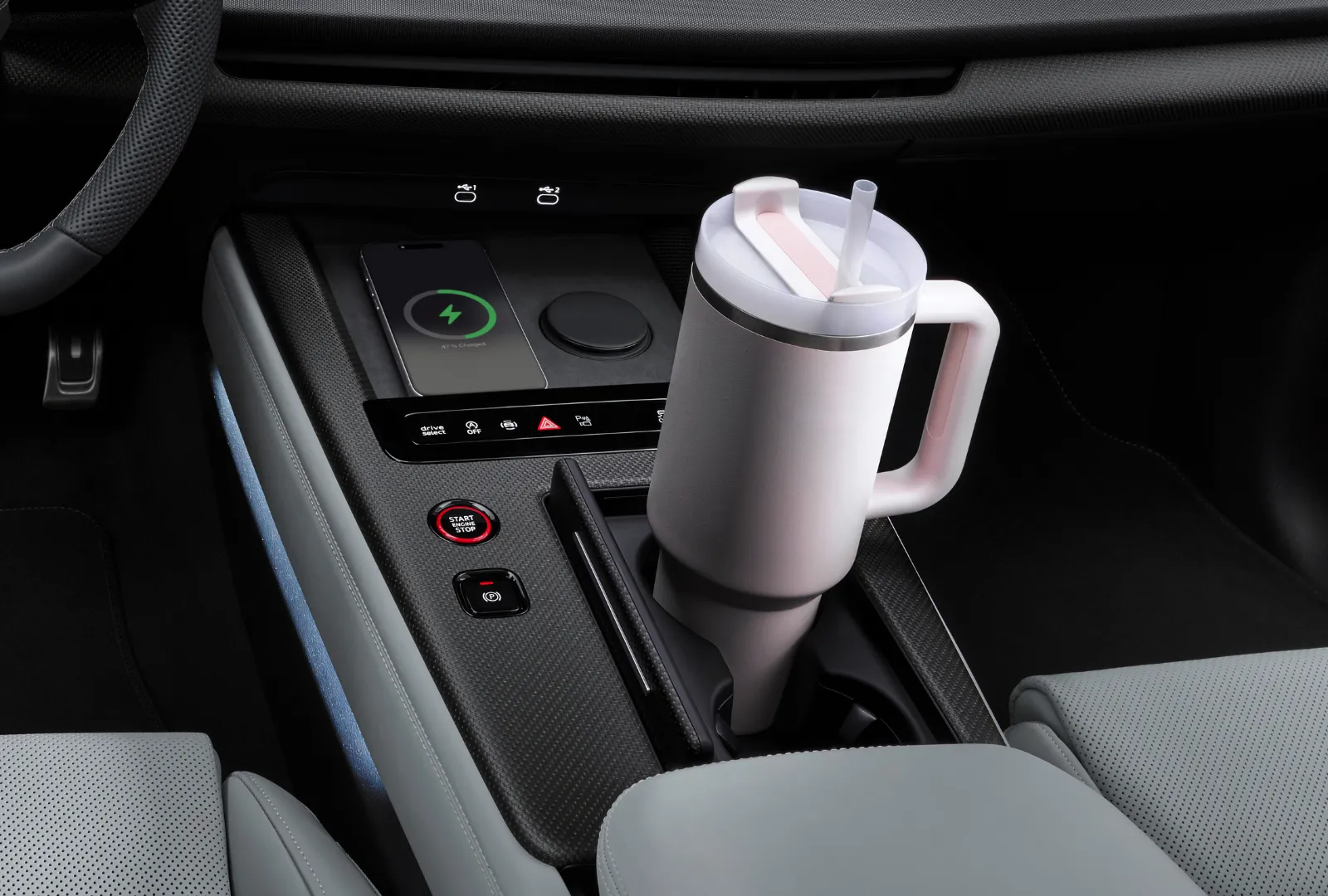
While it was in development, the Q9 had U.S. market customer requirements at the heart of its checklist, Döllner explained. This included a reworked center console and introducing cup holders large enough to hold Stanley cups.
Though Audi has shown the interior of the Q9, a full view of the Q9 doesn’t debut until late July.
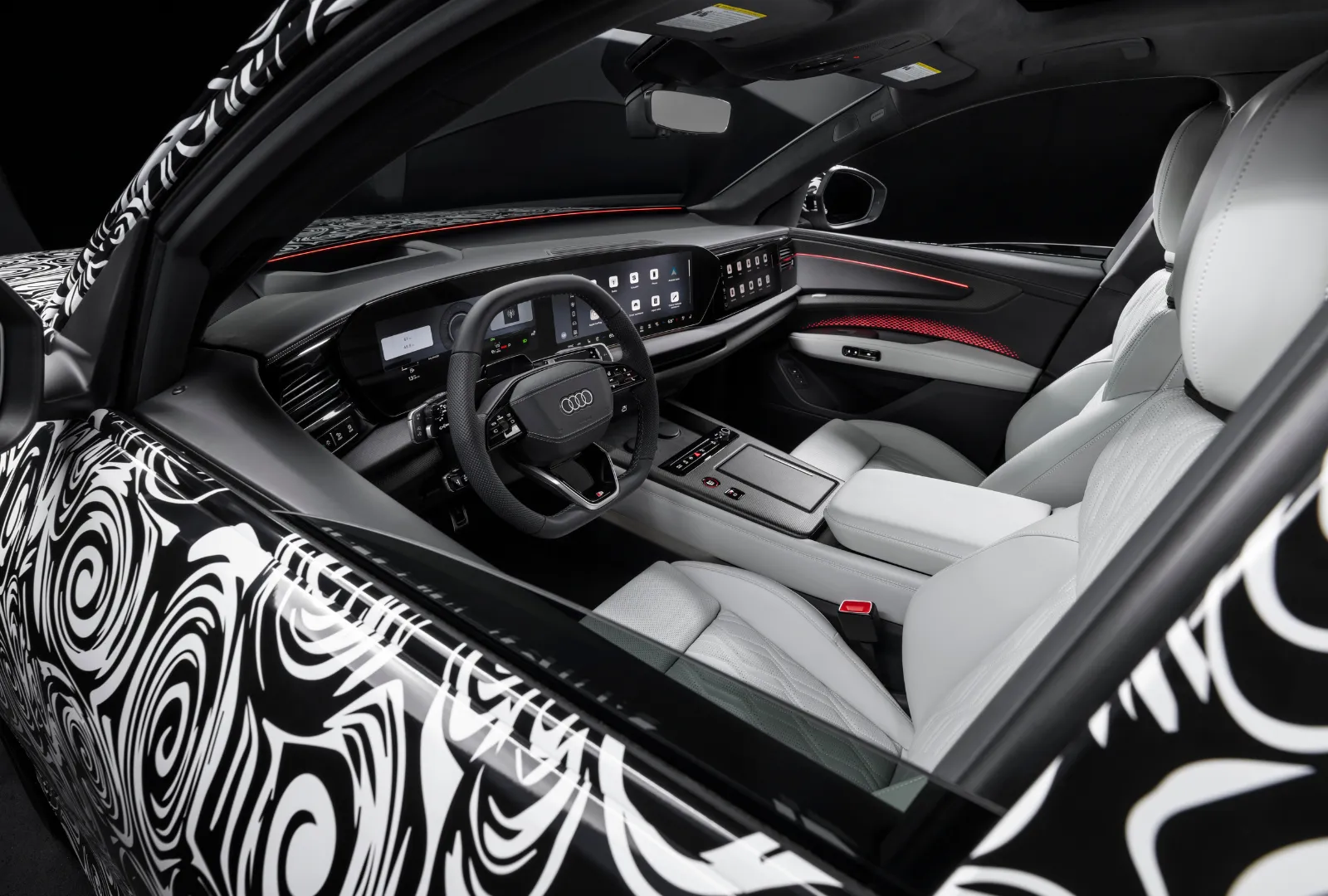
“Q9 and Q7, these cars are very special to me, because when I joined Audi two-and-a-half years ago, these were the products I could have an impact on by really reviewing the project,” the CEO said. “If you compare these, the Q9 and the Q7, to 12 to the launches we had over the past two years with the PPC, and we improved in the interior a lot, and we listened to the U.S. customers.”
PPC is Audi’s internal nomenclature vehicles with combustion engines, powered by gasoline or diesel.
“When I joined. I reviewed the customer feedback process, the JD Power process. And you know, there's a lot to improve, and with this product we are taking huge steps,” he said.