
 1 hour ago
8
1 hour ago
8
Americans are once again paying less than an average of $4 for a gallon of gasoline, marking a psychologically important shift as summer driving season ramps up and geopolitical tensions begin to ease.
The national average fell to $3.999 per gallon on June 18, said the American Automobile Association (AAA), as oil prices eased after a U.S.-Iran deal to reopen the Strait of Hormuz.
Falling below $4 carries outsized political and economic weight, shaping consumer sentiment during peak summer travel and an election-sensitive period.
Drivers nationwide are seeing modest relief at the pump, though regional disparities remain sharp and future price swings are still likely.
A closer look at state-by-state data underscores the scale of those regional gaps, with prices still varying widely across the country.
Key Points
- The U.S. national average for regular gas fell to $3.999 per gallon on June 18, according to AAA estimates
- Prices are down from $4.56 on May 21, the highest level during the Iran conflict
- They have fallen for three consecutive weeks, AAA says
- Indiana is the cheapest state at about $3.40 per gallon
- Some 28 states now have average gas prices below $4
- California remains the most expensive state at roughly $5.64 per gallon
- GasBuddy estimates the national average closer to $3.98 after slipping under $4 earlier in the week
- The drop follows a U.S.-Iran memorandum to reopen the Strait of Hormuz, a route carrying about 20 percent of global oil supply.
Why It Matters
The decline follows months of volatility triggered by disruptions in the Strait of Hormuz, a route that carries roughly 20 percent of global oil supplies.
While the reopening has eased immediate concerns, analysts say energy markets remain vulnerable to fresh supply disruptions.
A Symbolic Threshold, Barely Crossed
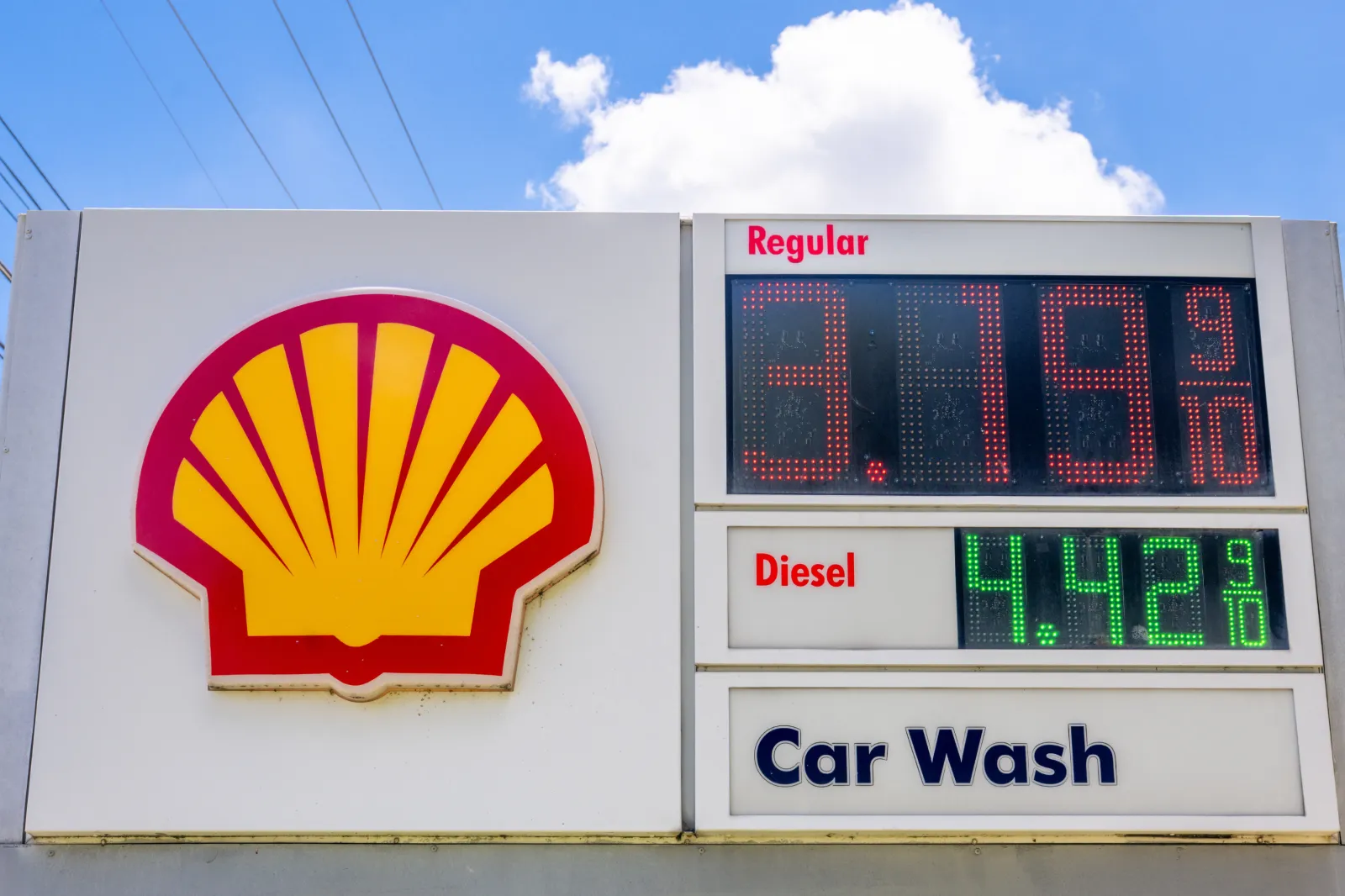
AAA data shows the national average has fallen below $4 a gallon for the first time since late March.
That figure, however, underscores just how narrow the shift is: a day earlier, the average still stood above $4, illustrating the fragile nature of the decline.
Energy markets—and, by extension, consumer confidence—often hinge on round numbers.
Gasoline prices above $4 have long been viewed as a politically sensitive marker of consumer pain.
The drop follows three consecutive weeks of declines from a late-May peak of $4.56 per gallon.
The scale and speed of that surge are clear when you look at how prices have moved since the conflict began, according to U.S. Energy Information Administration data.
Where Gas Is Cheapest—and Most Expensive
The nationwide average masks stark regional divides. A state-by-state breakdown shows a familiar geographic pattern shaped by taxes, supply chains, and proximity to refining infrastructure.
Indiana remains the cheapest state, averaging about $3.40 per gallon. Texas, Tennessee, Mississippi and South Carolina are also among the least expensive markets, with average prices in the mid-$3 range.
California remains the most expensive state at roughly $5.64 per gallon, while Washington and Hawaii are both well above $5 per gallon.
Much of the Northeast occupies a middle ground. New York averages roughly $4.29, while neighboring states such as Massachusetts and Connecticut hover just above or slightly below the $4 threshold.
Taken together, AAA data shows that 28 states have already moved below $4, meaning a majority of the country is now on the cheaper side of that dividing line.
How Prices Fell So Quickly
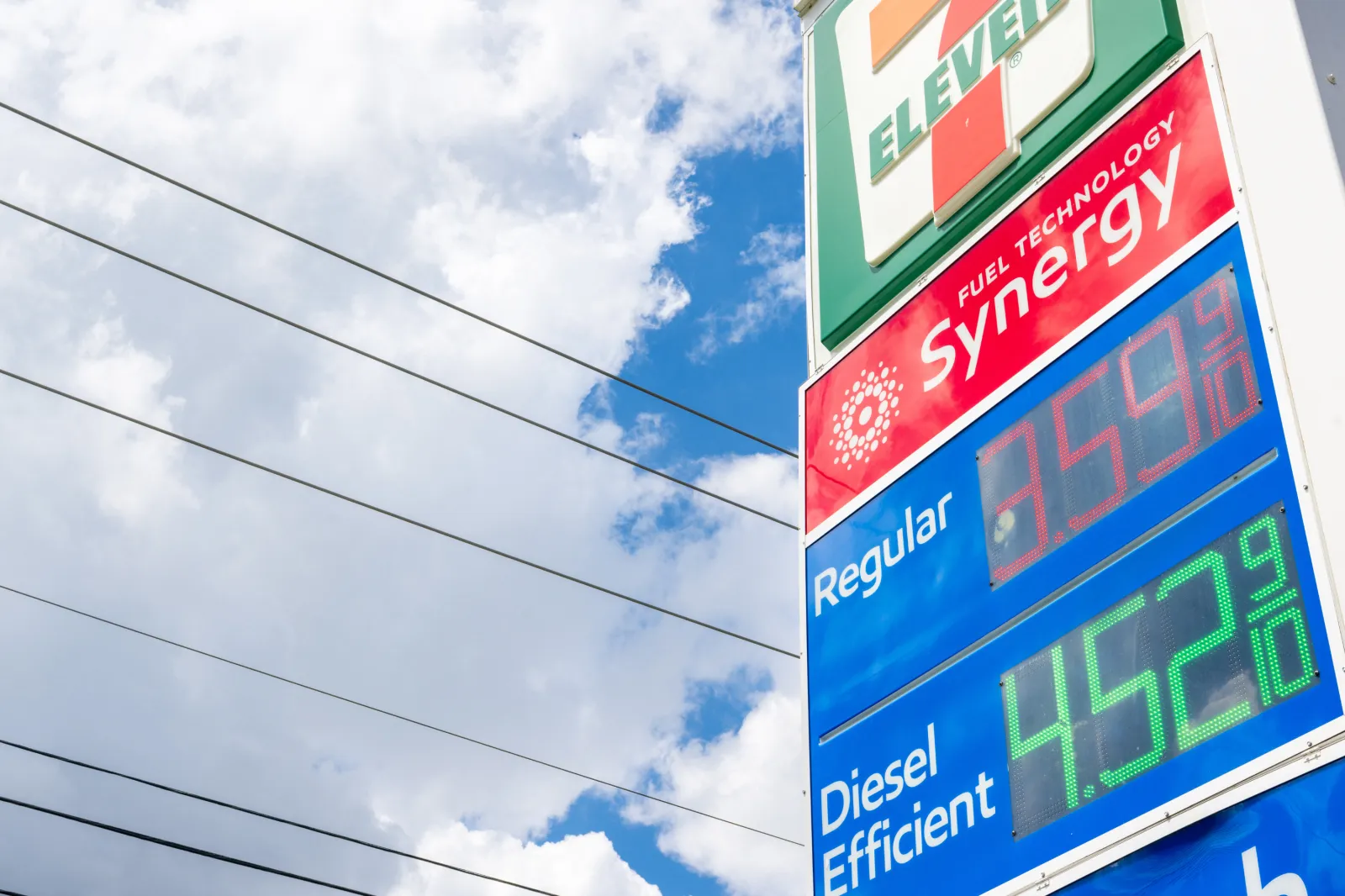
Gasoline prices have fallen alongside oil markets since late May, when concerns over disruptions in the Strait of Hormuz pushed prices higher.
At the heart of the story is the narrow waterway linking the Persian Gulf to global markets.
When it closed in late February, oil supply was effectively throttled, sending prices sharply higher.
When news of a reopening emerged, markets reversed course just as quickly.
Still, analysts caution that the relationship between crude prices and pump prices is neither immediate nor symmetrical. Retail prices tend to rise rapidly but fall slowly—a dynamic often summed up in the phrase "up like a rocket, down like a feather."
Why Relief May Be Limited
Despite the headline milestone, industry analysts say gasoline is unlikely to return to prewar levels anytime soon.
One key constraint is logistics. It may take several months for tanker traffic through the Strait of Hormuz to fully normalize.
Beyond shipping delays, infrastructure damage and refinery shutdowns during the conflict continue to limit output.
Global market fundamentals also remain tight. Oil inventories are at comparatively low levels, and while emergency reserves helped cushion earlier price spikes, those buffers are now diminished.
That leaves the market susceptible to renewed volatility—particularly as summer driving demand intensifies.
Patrick De Haan, head of petroleum analysis at GasBuddy, warned that prices could climb again if oil costs rise, even as the broader downward trend holds.
Will Prices Stay Below $4?
For consumers, the bigger question is not whether prices can briefly dip below $4—but where they will stabilize.
Even with tensions easing, gasoline prices remain tied to global oil markets and seasonal demand patterns.
GasBuddy forecasts suggest average prices could trend lower over the longer term, though volatility remains likely.
For now, analysts view the current decline as a period of relief rather than a definitive turning point.
What Happens Next
Attention now turns to how quickly oil flows and confidence returns to global markets.
The reopening of the Strait of Hormuz is expected to be gradual rather than immediate, with shipping backlogs and security concerns slowing the pace of recovery.
Any delay risks tightening supply just as demand rises, creating the conditions for another price spike.
For now, the number that matters is simple: $3.999. It signals relief for drivers—but also serves as a reminder of how tightly domestic costs remain tied to events far beyond U.S. borders.