 1 day ago
17
1 day ago
17
World Cup fans arriving at stadiums across North America are being hit with high prices for food and drink, sparking backlash online and renewed concerns about affordability at the tournament.
Across U.S. and Canadian host cities, supporters have begun sharing receipts and menu boards showing beers, soft drinks, and basic meals priced at levels comparable to high-end American sporting events—fueling debate over whether the biggest World Cup in history is drifting out of reach for ordinary fans.
The criticism is emerging at a moment when millions of traveling supporters are already absorbing the cost of flights, hotels and, in many cases, premium-priced tickets—turning everyday matchday expenses into a flashpoint for broader concerns about affordability.
Newsweek contacted FIFA via email on Saturday morning to ask about the allocation of corporate and hospitality tickets and their role in empty seats, the transparency of attendance figures, and what responsibility the governing body takes for high food and drink prices, including whether it will act to ensure affordability for fans.
Why This Matters Now
Major international tournaments are typically framed as inclusive celebrations, drawing fans from across economic backgrounds. But the 2026 World Cup represents a potential tipping point.
The combination of dynamic ticket pricing, premium stadium costs, rising global travel expenses and record commercial expectations creates a model that risks reshaping who can afford to attend.
If live events become perceived as elitist, organizers face not just backlash but long-term reputational damage—particularly for competitions built on mass participation and global identity.
A Tournament Built for Scale—and Spending
The 2026 World Cup is not only the largest in soccer history, with 48 teams and 104 matches across 16 cities; it is also FIFA’s most commercially ambitious event to date.
Financial projections show why prices are under scrutiny.
FIFA is expecting roughly $8.9 billion in revenue from the tournament itself, within a broader $13 billion commercial cycle, driven by broadcast rights, sponsorships, ticketing and hospitality.
That commercial scale matters as the modern World Cup is not just a sporting event but what industry analysts describe as a global “trading platform,” monetizing everything from tickets and merchandise to fan zones and food concessions.
Against that backdrop, even relatively small costs—like a beer or a meal—take on symbolic importance, particularly for fans already paying significantly more than in previous tournaments.
Inside the Stadium: What Fans Are Paying
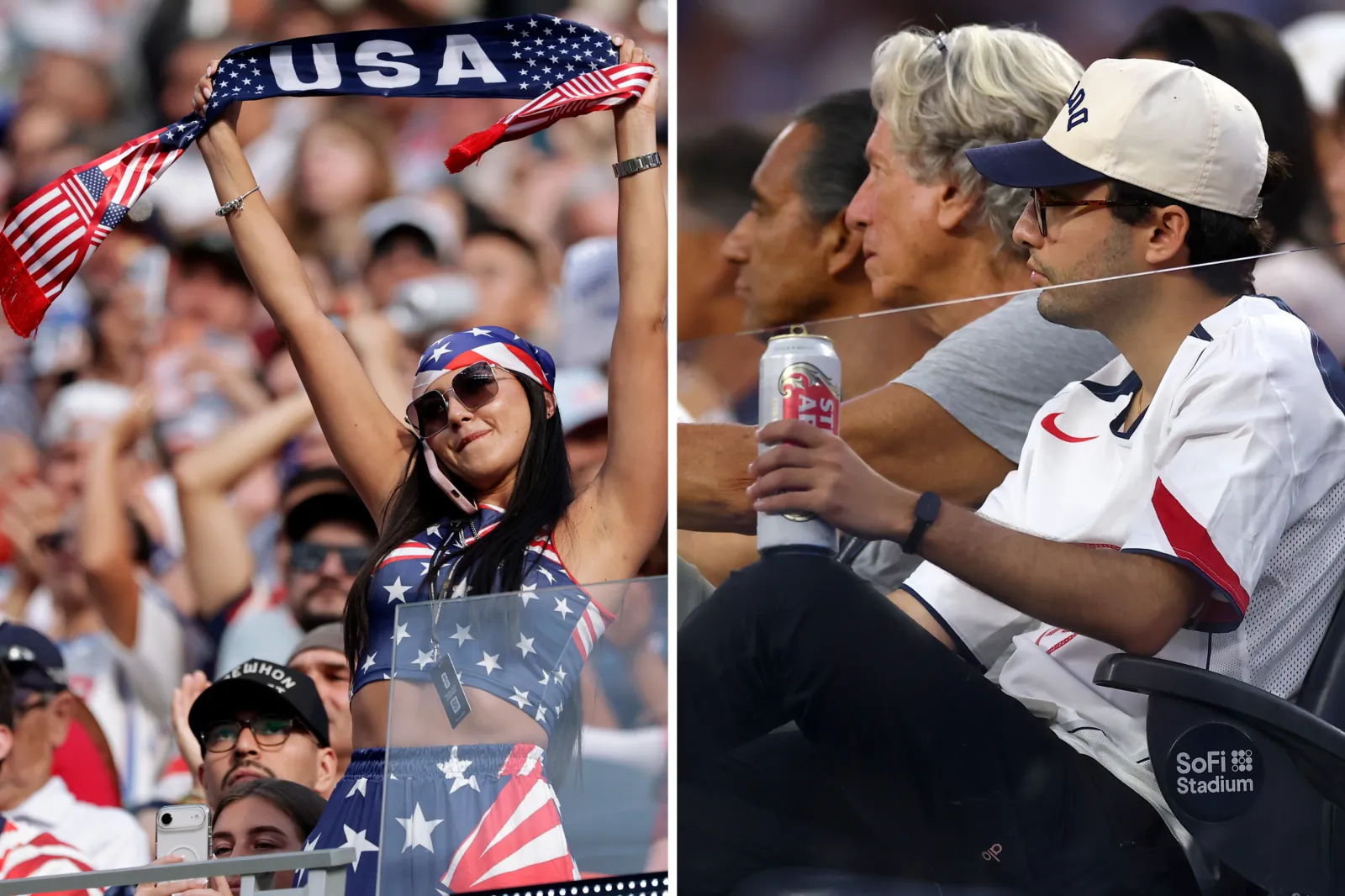
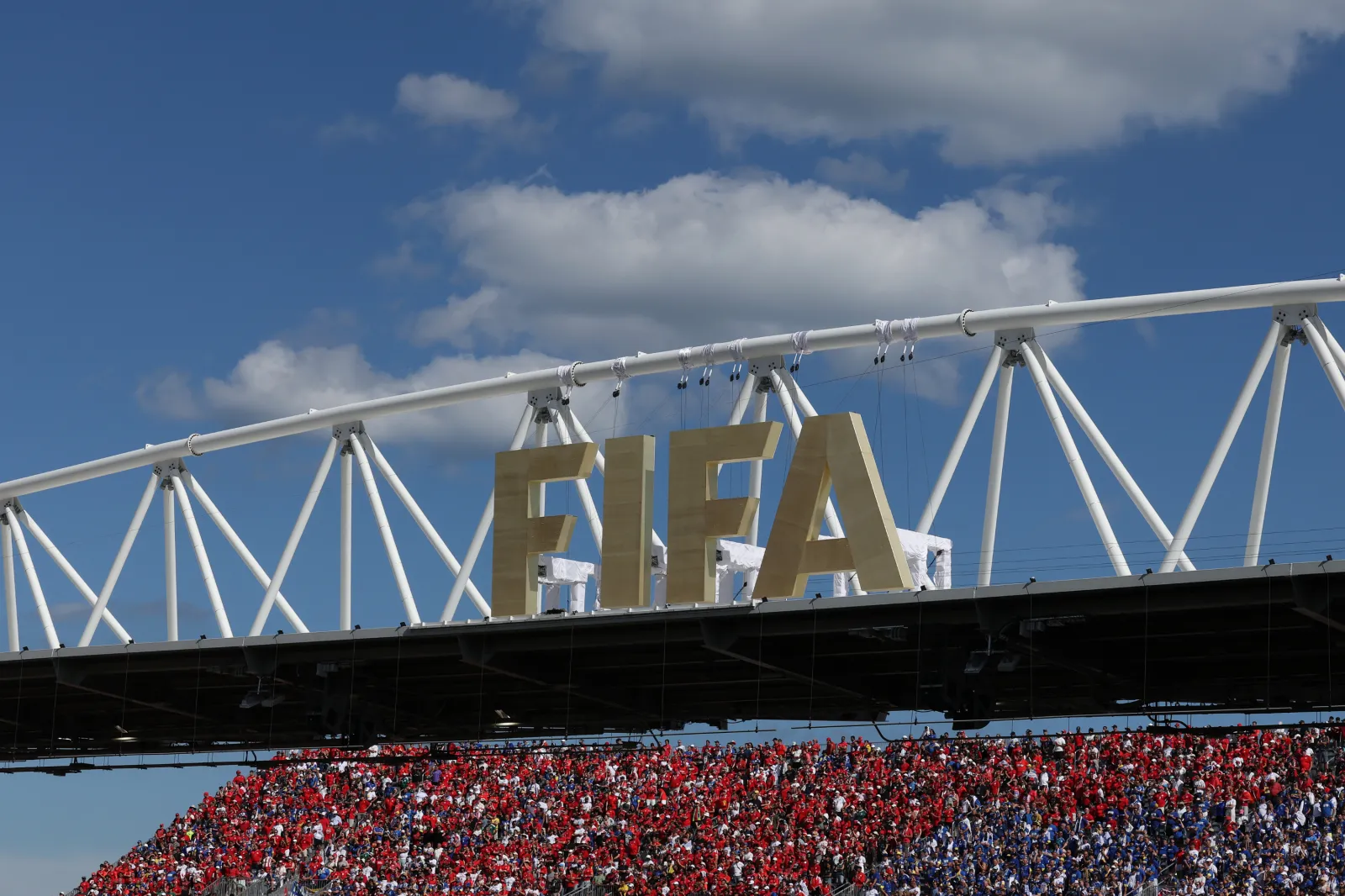
At SoFi Stadium, renamed Los Angeles Stadium for the World Cup, one of the tournament’s flagship venues—fans are seeing prices broadly in line with premium U.S. sports standards.
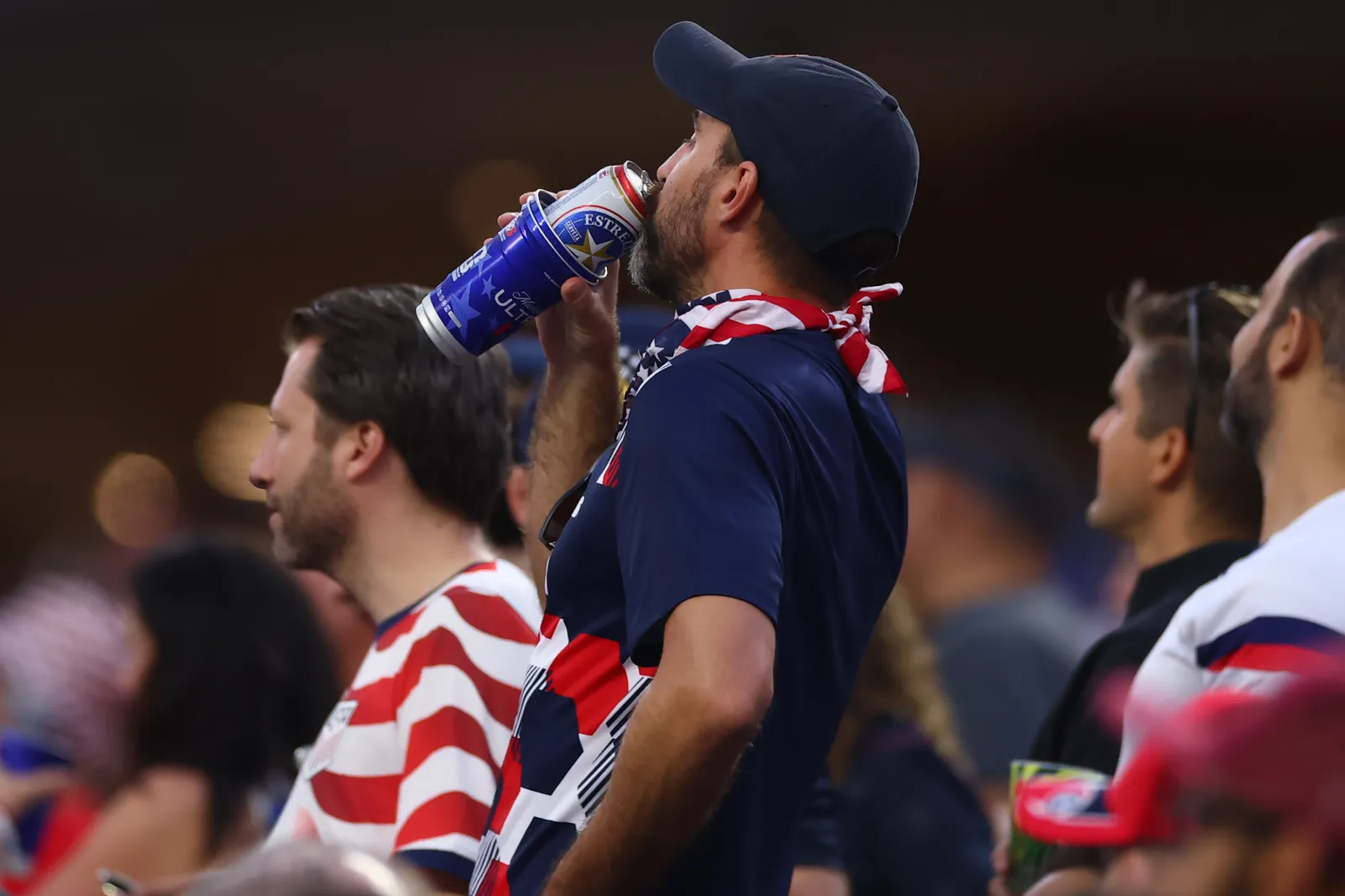
According to USA Today, beer ranges from about $15 for domestic options to more than $22 for larger craft or imported pours, while soft drinks and water cost $7.75 and $5.25, respectively.
Food items—pizza, tacos, burritos and nachos—cluster around the $19–$20 range, with even basic snacks such as hot dogs ($10) and chips ($5.75) adding up quickly.
Similar pricing patterns are emerging elsewhere.
In Toronto, a widely shared menu shows a basic combination of two hot dogs and two soft drinks priced at 57.50 Canadian dollars (roughly $41 USD), with beers reaching roughly $24 CAD (approximately $17.15 USD) depending on size and brand.
Fan zones, marketed as more accessible alternatives, are not necessarily much cheaper. Prices circulating online suggest beers near $19 and soft drinks between $7 and $10.
While prices vary by stadium and vendor, a recent study by SeatPick comparing all 16 World Cup venues suggests the trend is consistent.
The analysis—based on the combined cost of a standard beer and a basic meal—found fans could pay more than $32 at Los Angeles Stadium and over $34 at Levi’s Stadium, currently San Francisco Bay Area Stadium for the World Cup, among the highest in the tournament.
Fans React: ‘Shambolic’
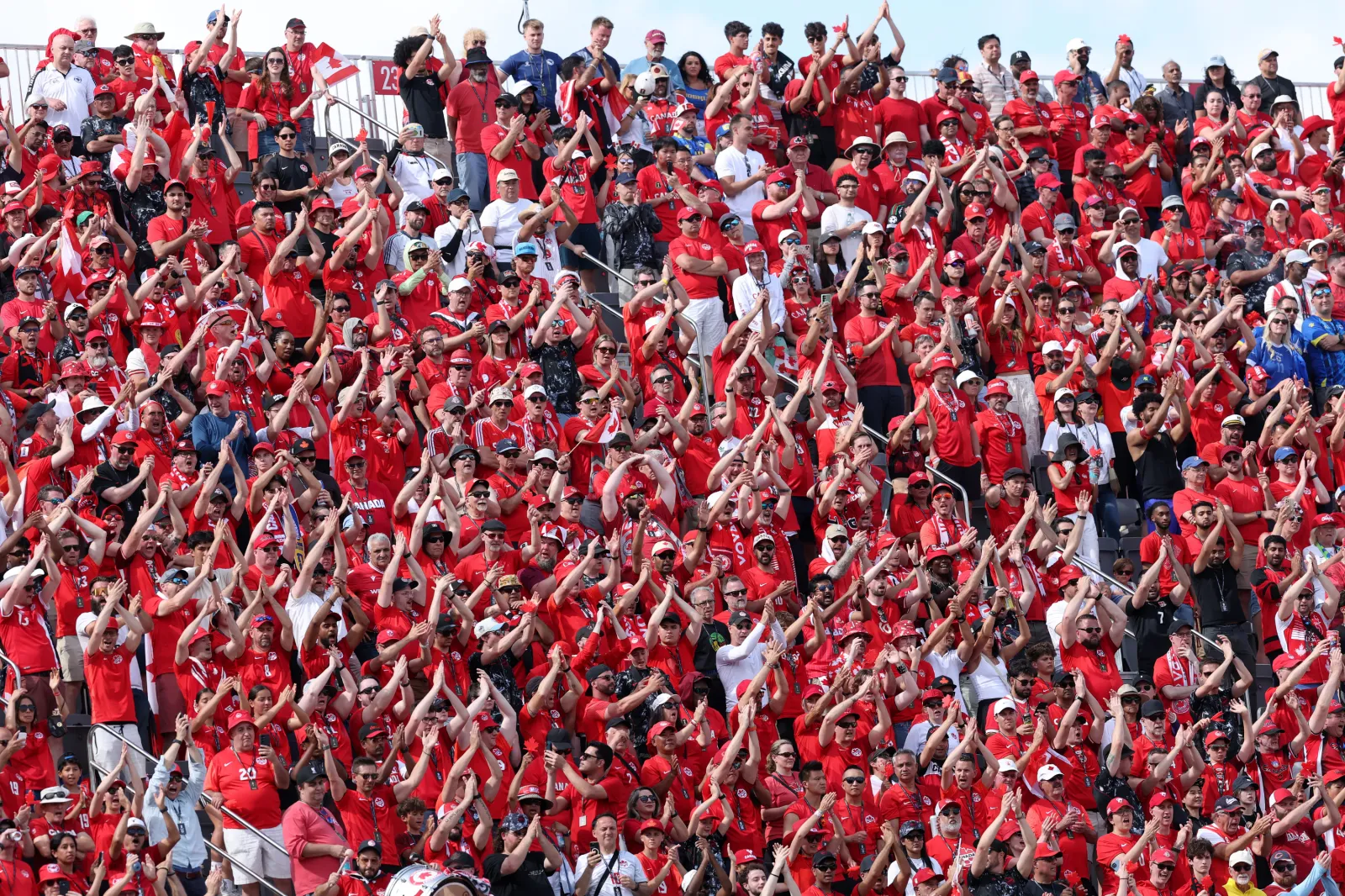
Reaction has been swift, with social media users expressing frustration at the costs.
Former Wales footballer Thomas Hal Robson-Kanu described the situation as “shambolic,” arguing that fans who have already spent heavily to attend should not face such steep additional charges.
“Football is the game of the people,” he wrote Saturday, adding that it should remain “inclusive, safe and enjoyable for everyone.”
X user @LeahRay44, who has over 175,000 followers, wrote on Friday: “$19 for a Stella at the 2026 World Cup. America, I love you but this one is kinda crazy. People have to dig into their life savings just to get a small buzz.”
Another user, @YegTomBraid, wrote on X on Saturday: "New food drink listing and prices are up at World Cup games in Toronto 1st game (Vancouver should be the same), shocking soccer fans from what they are used to at soccer games. $57.50 for 2 hotdogs and 2 drinks! $25.25 for a cheeseburger, $24.25 for a beer......."
Not Just a World Cup Issue: The ‘Stadium Tax’
Part of the explanation lies in where the tournament is being hosted.
The U.S., in particular, has some of the highest concession prices in global sport. Data from the NFL—the closest comparison—shows that the average price of a beer was $8.81 in 2023, with many venues charging significantly more, and top-end stadiums exceeding $14 or even $16 per drink.
That pricing model—often referred to as the “stadium tax”—reflects a captive audience, high operating costs, and the economics of live sports, where teams and venues rely heavily on in-stadium spending.
Research suggests those costs have been rising steadily. The U.S. Bureau of Labor Statistics (BLS) reported in February that admission prices for sporting events have increased by 123 percent since 2000, outpacing many other categories of consumer spending.
For the World Cup, those trends are colliding with international expectations. In previous host countries, food and drink prices have often been lower or more tightly controlled, particularly for local supporters.
A Stark Divide Across North America
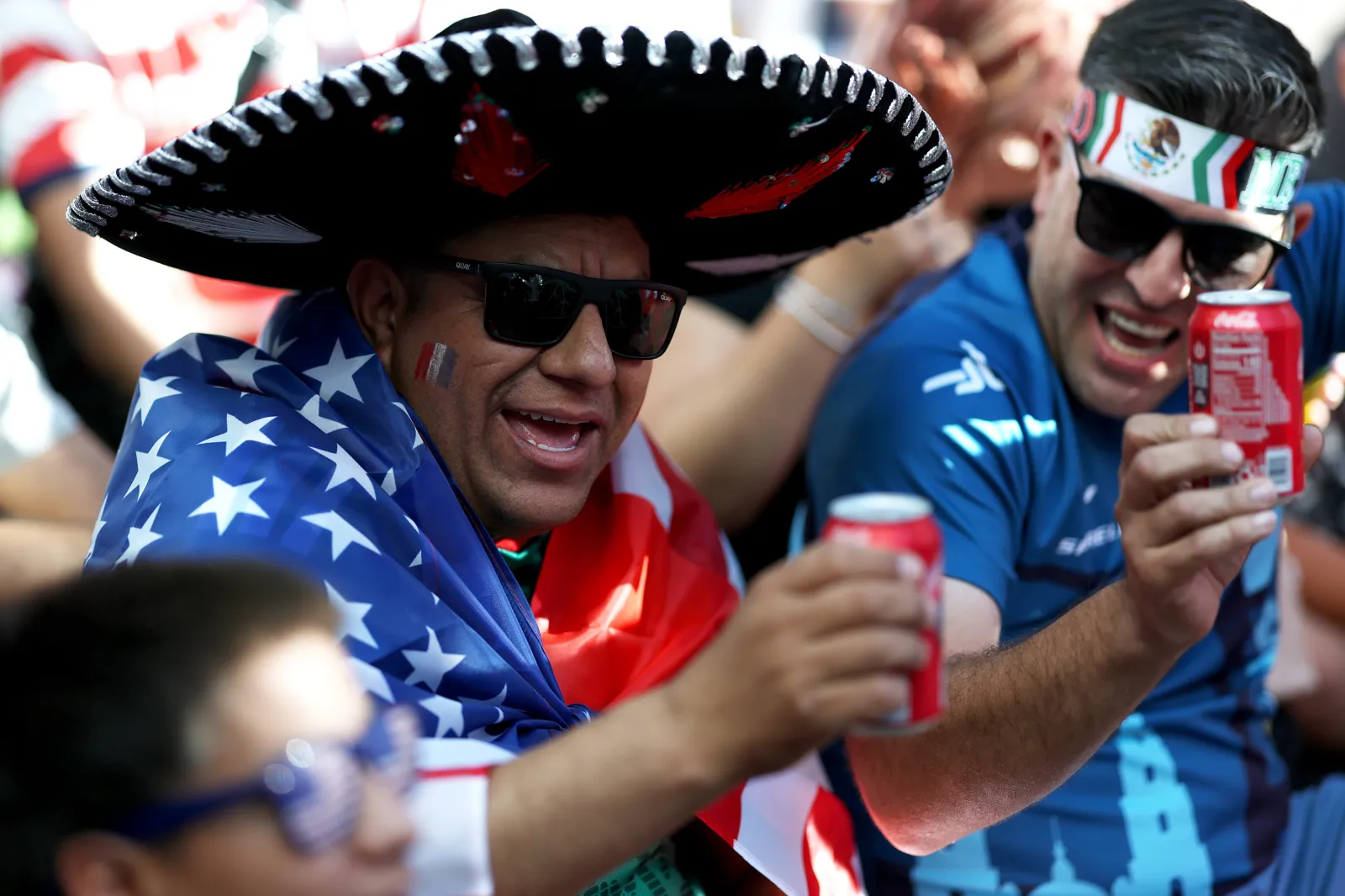
One of the most striking features of the tournament is how dramatically prices can vary depending on location.
In Mexico, for example, concession costs remain significantly lower—even within the same event. Reports from the opening match in Mexico City suggest a 24-ounce beer at Estadio Azteca cost about 290 pesos (roughly $16.67 USD).
Some studies suggest beer prices in Mexican venues can fall as low as the equivalent of $2–3 USD, while similar drinks in U.S. stadiums can exceed $13, more than four to six times higher.
Meal-and-drink combinations illustrate the disparity even more starkly: Seatpick’s analysis found fans could pay about $9.77 in Guadalajara versus over $34 in California.
Ticket Prices and the Bigger Affordability Puzzle
Ticket pricing has already emerged as a major point of contention, with entry-level seats for some group matches starting around $200, and final tickets exceeding $2,000 for basic tiers, according to reports analyzing FIFA’s dynamic pricing model.
That model—where prices rise based on demand—is widely used in airlines and concerts but remains controversial in sport.
Early signs suggest that tension may already be impacting behavior.
Despite strong headline sales—FIFA says more than 6 million tickets have been sold—some matches have reported visible empty seats, raising questions about whether high prices are dampening turnout.
Part of the issue lies in how tickets are distributed.
A significant share is bundled into corporate hospitality packages or allocated to sponsors, with some reports suggesting this could happen with as many as one in seven seats, meaning seats may be tied to clients rather than individual fans—raising the likelihood they go unused, even at high-profile matches.