
 1 hour ago
8
1 hour ago
8
America’s suburbs are about to get an electric upgrade. A new quartet of premium and luxury battery-powered SUVs is hitting the market, and they’ve got their sights set squarely on single-family driveways.
U.S. Census Bureau data from 2025-2026 shows that the typical typical single-family home in the U.S. is the residence of a married-couple family. Approximately 40% of those homes include children under the age of 18.
According to Cox Automotive, luxury SUVs account for 12% of annual new vehicle sales in the U.S., which shakes out to about 2 million units annually, in recent years. The valuable market segment is home to an influx of new models in 2026, including the BMW iX3, Volvo EX60, Mercedes-Benz Electric GLC and Rivian R2.
"Vehicles like the R2, iX3, EX60, and Electric GLC strike a chord because they fit how many single-family households actually live," Paul Waatti, director of industry analysis at AutoPacific told Newsweek. "Daily use revolves around commuting, school runs, errands, practices, local trips, and overnight charging at home. The appeal is that they don’t require families to rethink how they live. They often make the routine families already have feel smoother, quieter and more seamless."
Those models were initially approved for development under very different electric vehicle incentives and regulations environments than exist today, three to seven years ago. In the meantime, American suburbanites have been getting familiar with EVs via experiences with Cadillac Lyriq, Rivian R1S and various Tesla models, many of which will be coming off lease in the coming 18 months.
"We likely wouldn’t be here without Tesla, Lyriq, and R1S. Tesla normalized EV ownership as everyday transportation--Model X proved there was demand for a premium electric family vehicle, Lyriq pulled traditional luxury buyers into the EV conversation, and R1S showed affluent households would pay serious money for an electric SUV that fit their lifestyle and personality," Waatti said.
Though the BMX, Volvo and Mercedes are global vehicles, the U.S. market still plays a critical role in the business plans for them. The current market for electric vehicles in the country is floundering, down 26% year to date through May. EV sales peaked in Q3 2025 at 12.1% of the total new vehicle sales market, though demand was artificially spiked by the threat of incentive loss. Today, 6.7% of new vehicles sold in the U.S. are EVs.
“With that backdrop, the mainstream [EV adoption] question really comes down to two types of customers. The first is the customer who already owns an EV and has adjusted to the charging lifestyle. That cohort is essentially won with 96% of new EV owners say they would consider another EV for their next vehicle. The second is the potential owner with access to home charging, which is where 86 percent of typical EV charging already happens. For these two cohorts, these vehicles have real potential," Tony Salerno, senior vice president of commercial strategy at JD Power told Newsweek.
Each of the new electric SUVs has something it does better than the others, but all of them have one thing in common: They’re likely to primarily purchased by those with single-family homes. Those homeowners are driving the EV market. Being able to charge at home removes two of the top reason in-market new car shoppers reject electric vehicles, lack of charging station availability and no possibility of at-home charging.
“If you can't charge at home overnight and start each day with a full charge and full range, the lifestyle of owning an EV becomes more challenging no matter the cost of ownership,” Salerno said.
EVs also typically cost more, an issue that compounds with frustrations over charging. “For those customers, a lease payment equivalent to an gas-powered or hybrid vehicle doesn't solve the underlying problem,” Salerno points out.
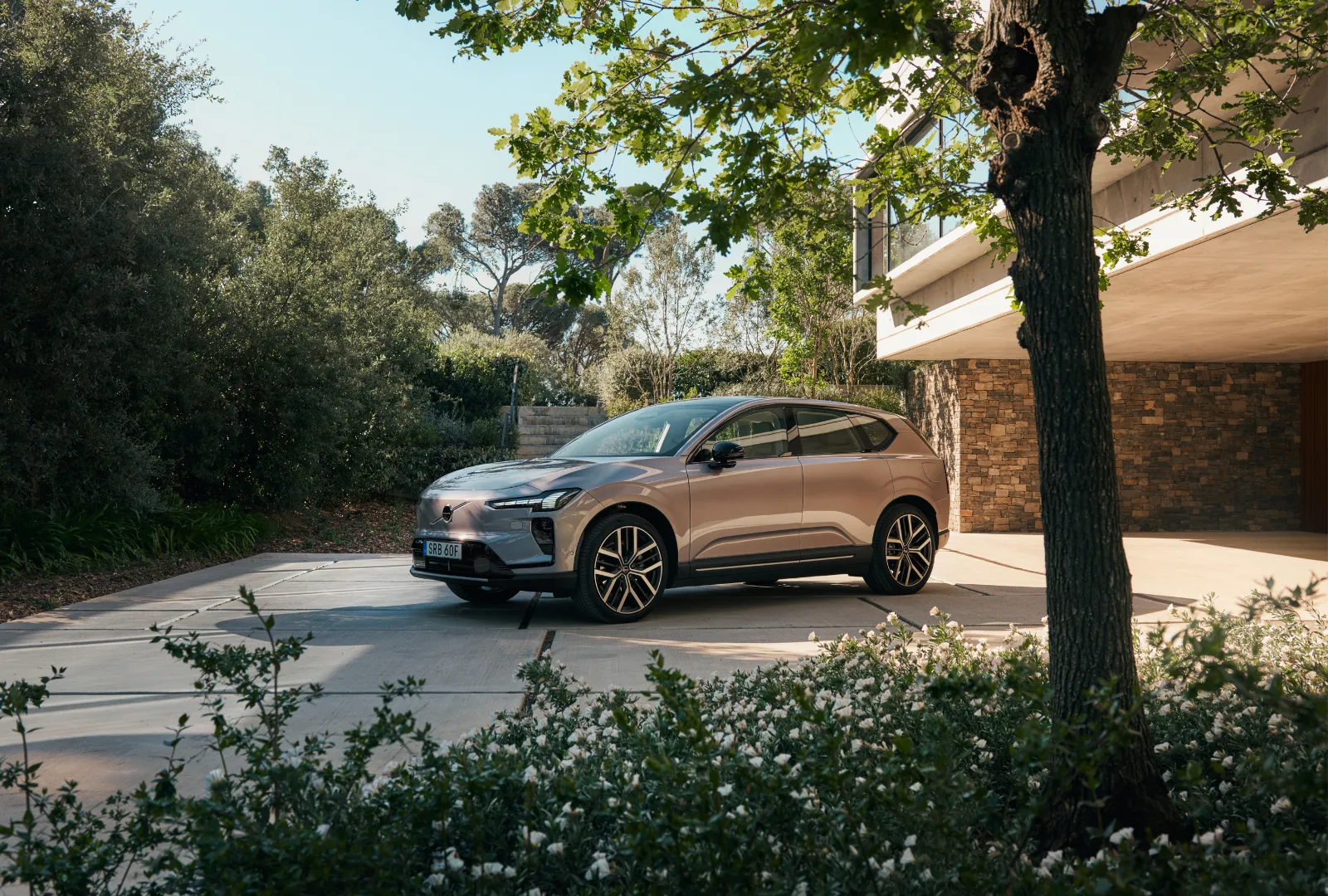
EV prices are coming more into line with gas and hybrid vehicles. Volvo has the smallest gap between EV and hybrid pricing among the three brands. It’s EX60 starts about $4,000 below the price of the XC60 plug-in hybrid.
“EX60 is a very important part of how we grow here because it brings a fully electric option into one of Volvo’s strongest and most familiar segments for U.S. customers,” CEO of Volvo Car USA is Luis Rezende told Newsweek.
He continued: “It starts at $58,400, offers our longest electric range yet of up to 400 miles, charges from 10 percent to 80 percent in as little as 16 minutes depending on the powertrain, and comes with NACS [charging port] built in. For customers who are interested in going electric but do not want to compromise on range, charging, safety or everyday usability, EX60 is designed to make that decision much easier.”
BMW’s iX3 is about $10,000 more than its gas-powered X3 counterpart.
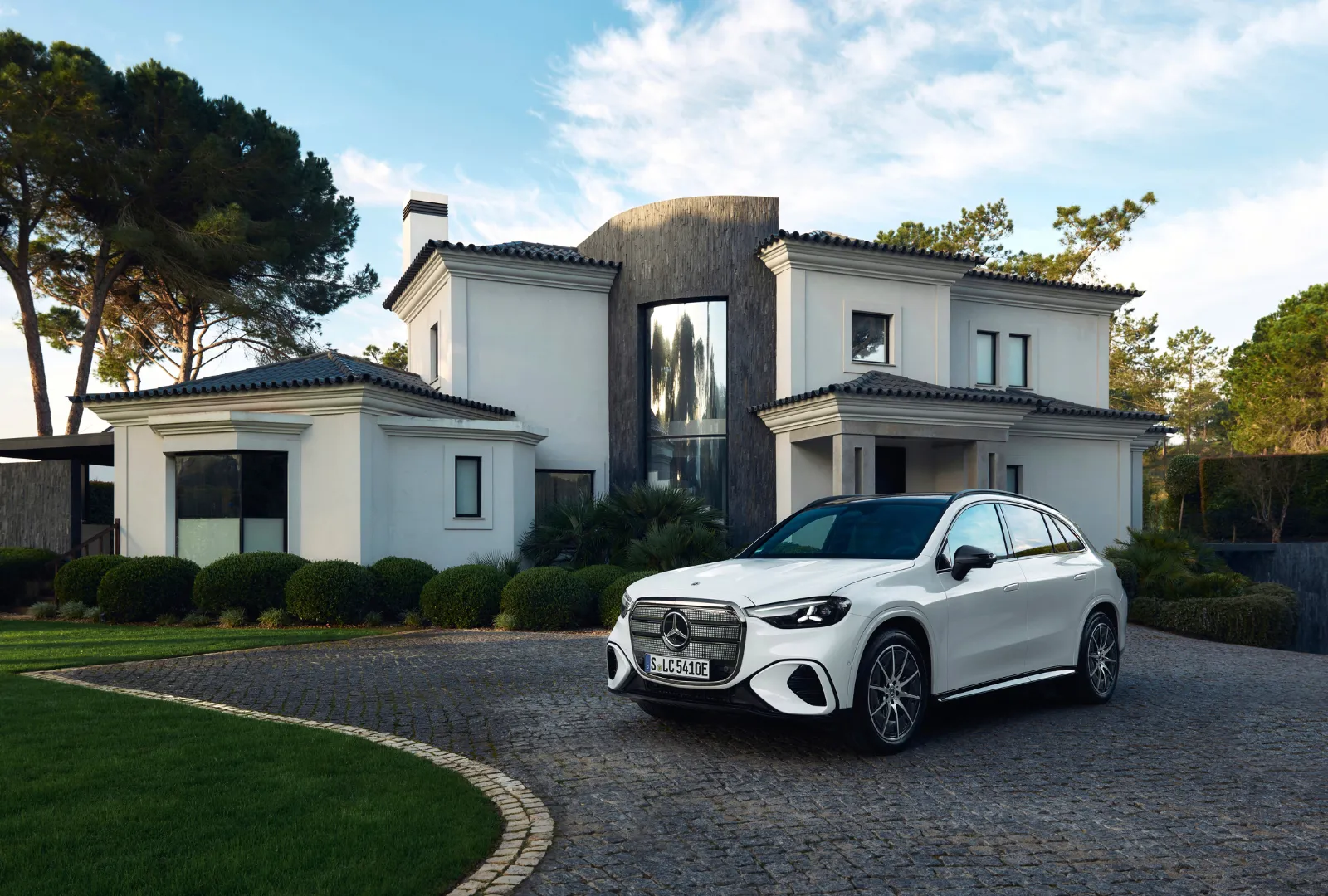
Pricing for the Electric GLC has yet to be announced. "“As we electrify one of the best-selling model lines in our product portfolio, we’ve focused on what matters most to our customers – everyday versatility, confident range, and driving dynamics that feel unmistakably Mercedes-Benz," Mercedes-Benz USA CEO Adam Chamberlain told Newsweek.
Though iX3, EX60 and Electric GLC are designed as part of larger product families, they are each unique models rather than a unique powertrain offering that powers a vehicle that’s nearly the same externally and internally no matter if it’s gas-, hybrid- or battery-powered.
Rivian’s R2 bucks all these trends. The American EV automaker launched the R2 midsize SUV into market last week. Its truck-like body and advanced infotainment and driver assistance systems put the SUV on a different path to driveways than offerings from the German and Swedish automakers, as well as its lack of gas- or hybrid-powered in-brand alternative.
Though initially offered in its highest performance grade with Launch Package for $57,990, the company will sell lower-priced models that will come to market over the next year, including a $44,990 base model. It's not a move toward mainstream but rather a move to make adventure-ready EVs more accessible to mainstream Americas, Rivian CEO RJ Scaringe told Newsweek.
As pricing parity becomes a larger focus for automakers, consumers are more likely to adopt EVs, experts predict, especially new luxury EV intenders. "For years, EV adoption was treated as simply a technology challenge. In reality, many buyers were waiting for the right products. Premium shoppers want SUVs, and automakers are finally bringing compelling and competitive EV programs directly into that space," Waatti said.