 1 hour ago
5
1 hour ago
5
The Education Department on Thursday announced a temporary cut to federal student loan interest rates, unveiling a 1‑percentage‑point reduction set to begin July 1. Millions of borrowers are about to lose access to Biden‑era repayment options and must choose new plans under a sweeping overhaul. The change affects only certain federal borrowers, many of whom will need to take specific steps to receive the lower rate.
The department said the incentive is aimed at reducing delinquency and helping stabilize a federal loan portfolio that has swelled to nearly $1.7 trillion.
Education Undersecretary Nicholas Kent framed the reduction as a way of “making student loan repayment easier than ever” and improving the system’s long‑term health.
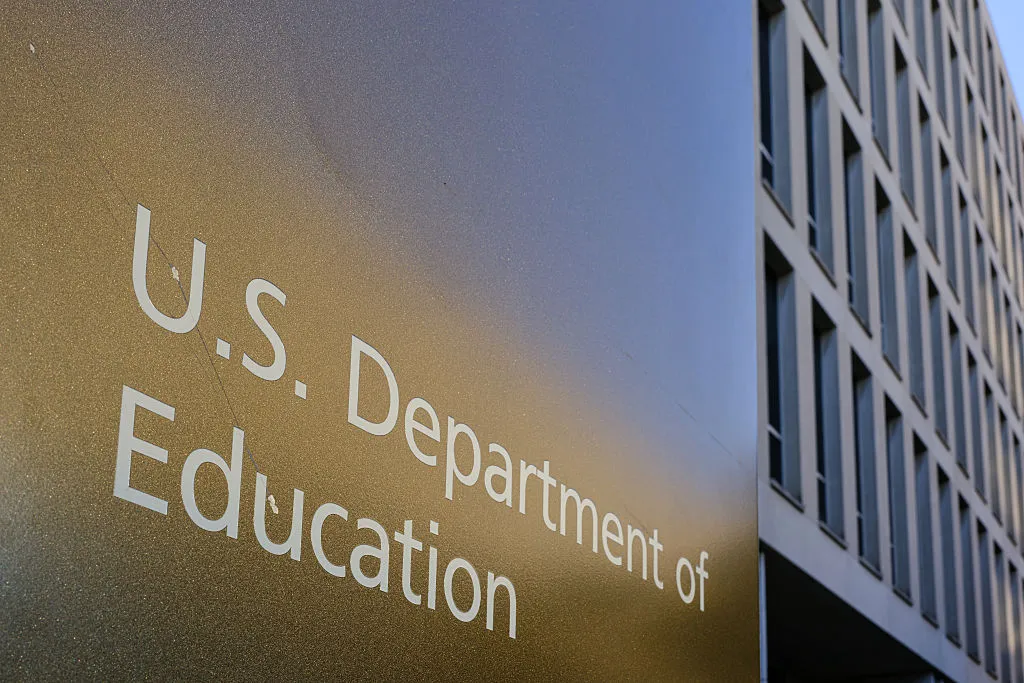
Latest Update on Student Loan Forgiveness: Who Qualifies for the New Interest Rate Cut
Only a subset of borrowers will see their rates fall. To qualify, borrowers must have federal Direct Loans disbursed after July 1, 2012, and they must either already be enrolled in automatic payments or sign up for them now.
- Eligible borrowers — Direct Loan borrowers with loans issued after July 1, 2012
- Auto pay enrollment — Required for all borrowers seeking the reduction
- Defaulted borrowers — Must first consolidate and reenter repayment
The department says only 40 percent of borrowers are currently enrolled in auto pay, a number it hopes to increase with this incentive.
How Much Borrowers Will Save
Borrowers who enroll in auto pay will receive a 1 percent reduction in interest rate from July 1 through June 30, 2028. Those already using auto pay currently receive a 0.25 percent discount, meaning their additional savings will be 0.75 percent.
- A borrower with $50,000 in debt at an 8 percent rate would see their monthly payment drop by about $26 if their rate falls to 7 percent.
- Borrowers in income‑driven repayment plans will not see lower monthly payments, since those are tied to income, not interest rates — though they will pay less interest over time.
Kent called the incentive a “benefit that has proven effective in helping borrowers remain in good standing.”
Steps Borrowers Must Take to Qualify
Borrowers must take action — and the steps vary depending on their loan status.
- Enroll in auto pay through their loan servicer by entering bank information and confirming payment amounts.
- Consolidate loans if they are in default or hold older loans that do not qualify.
- Select a new repayment plan as several Biden‑era options, including SAVE, are being dismantled July 1.
What to Know About Current Interest Rates for Student Loans
Federal student loan rates have reset for the 2025–2026 academic year, and the new fixed rates apply to loans first disbursed between July 1, 2025, and June 30, 2026. Undergraduate borrowers face a 6.39 percent rate on both subsidized and unsubsidized loans, while graduate borrowers see 7.94 percent on unsubsidized loans. PLUS Loans for parents and graduate students carry the highest rate at 8.94 percent.
The Trump administration’s temporary auto‑pay incentive overlays these figures. From July 1, 2026, through June 30, 2028, borrowers with Direct Loans disbursed after July 1, 2012, can receive a 1 percent interest rate reduction if they enroll in automatic payments. That means an undergraduate borrower with a 6.39 percent rate would see it fall to 5.39 percent while the incentive is active. Borrowers already enrolled in auto pay will see their existing 0.25 percent discount expanded to the full 1 percent.
Private student loans operate differently. Their interest rates are set by individual lenders, often based on creditworthiness and market conditions, and are not affected by federal policy changes or the new auto‑pay reduction. Private borrowers may still receive auto‑pay discounts, but those incentives vary by lender and are not tied to the federal program.