
 2 hours ago
9
2 hours ago
9
While the announcement of a peace agreement between the U.S. and Iran has raised hopes that gas prices could begin to return to their pre-war levels, analysts now warn that an approaching tropical storm could delay this relief for American drivers.
Over the weekend, American and Iranian officials announced that the two sides had come to an agreement to bring the over-three-month conflict to a close. While details remain scarce, President Donald Trump has said that the two sides already signed a memorandum of understanding ahead of an official ceremony in Switzerland on Friday.
Weathering The Oil Rises
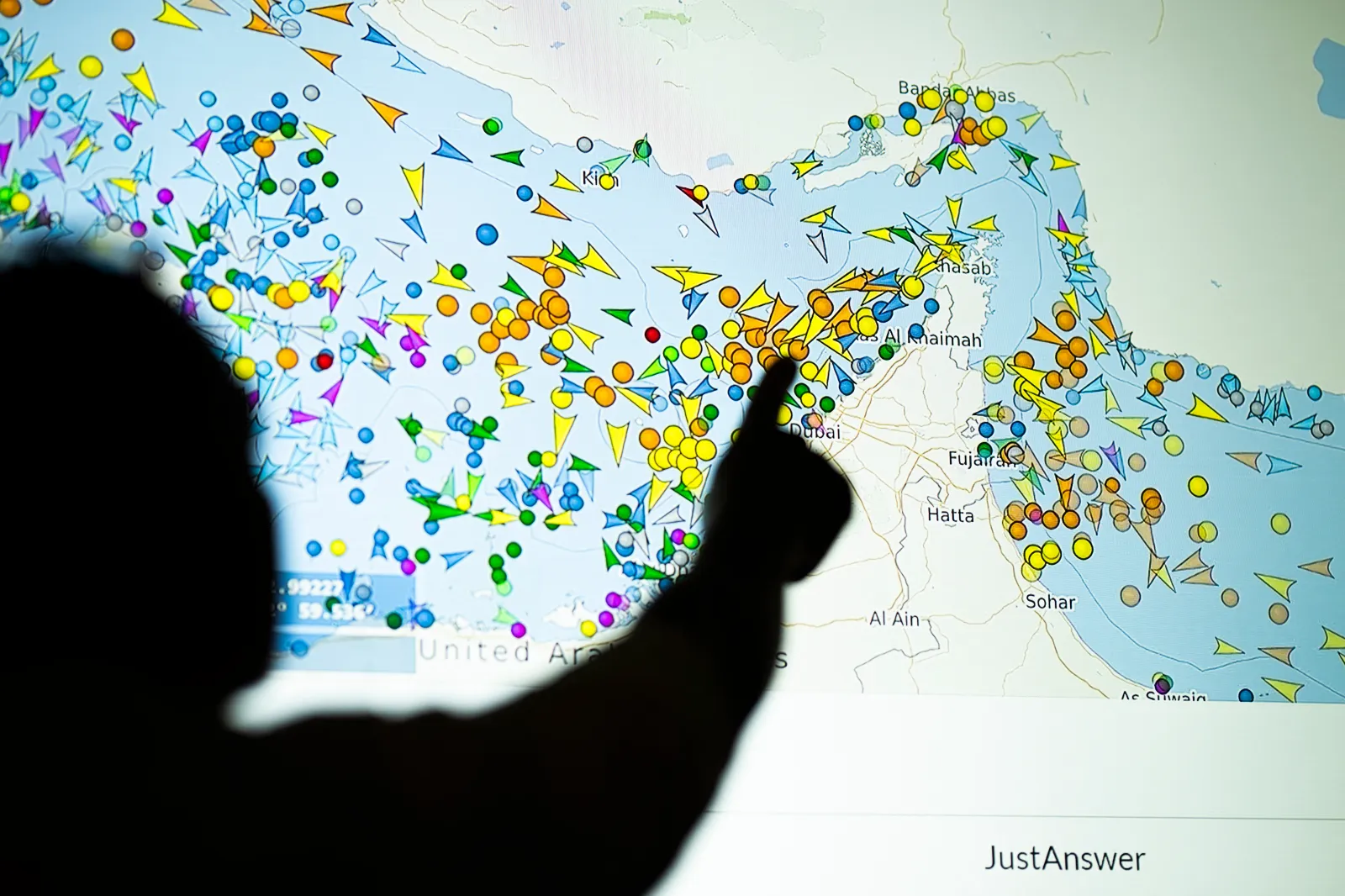
Oil prices have since fallen sharply on hope that the deal could reopen the Strait of Hormuz—the waterway through which roughly a quarter of the world’s seaborne oil trade ordinarily passes each year—which has been blockaded since the beginning of the conflict.
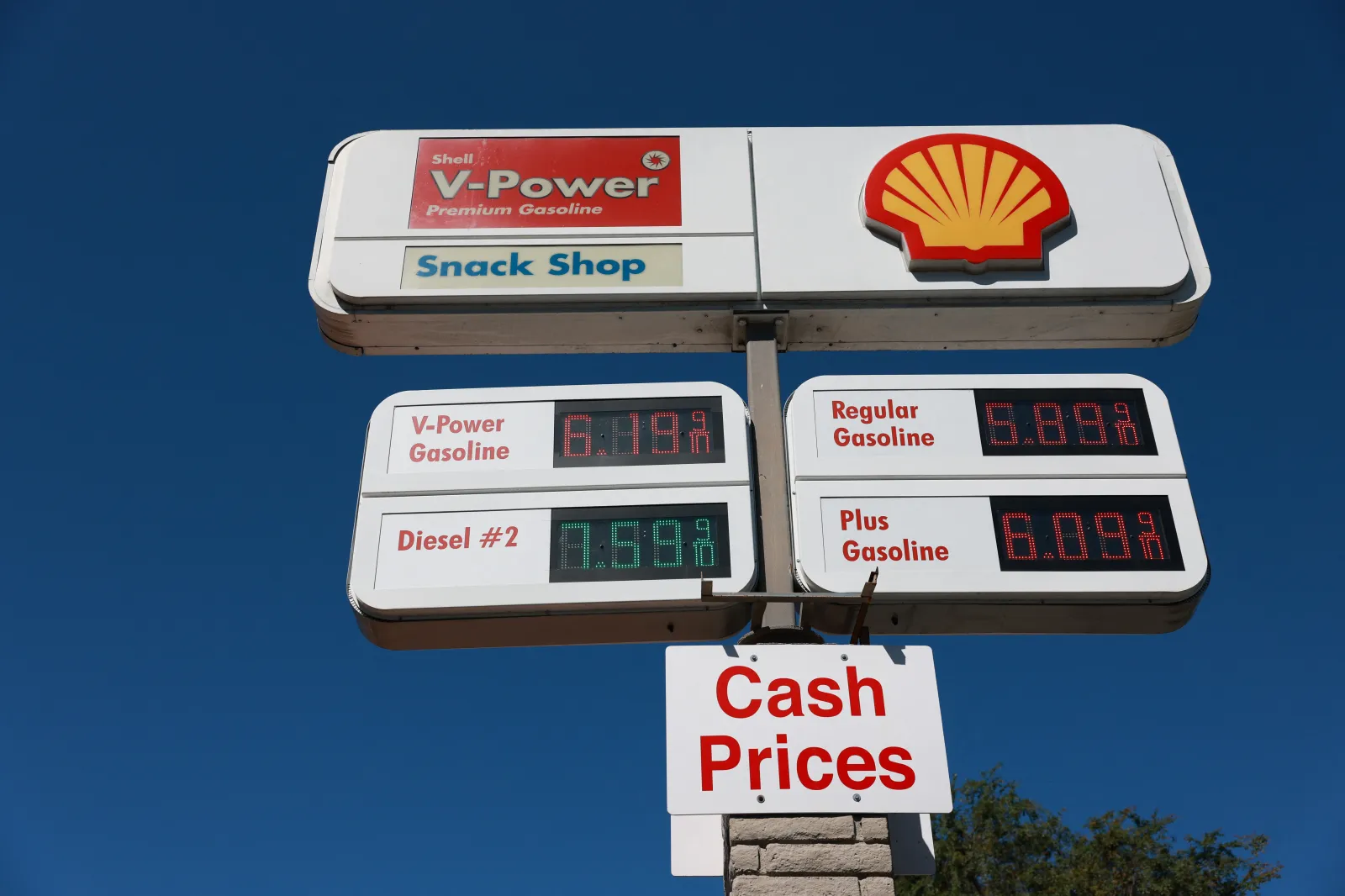
Similar—albeit slower—moves are expected for domestic pump prices should the agreement hold, but there are now fears that a tropical storm forming off the Gulf Coast could disrupt this trend.
According to Patrick De Haan, a senior petroleum analyst at the price comparison website GasBuddy, the storm and anticipated flooding “could be a concern” for the region’s refineries.
This, he added in a post to X, “could slow down gasoline and diesel price relief.”
Storm Set to Hit the Gulf Coast
Meteorologists are monitoring a low-pressure system along the Texas coastline they say could become the first named storm of the 2026 Atlantic hurricane season.
In an update on Wednesday, the National Hurricane Center (NHC) said this was moving northeast along the Middle Texas coast and was expected to cause flash flooding across parts of the Southeastern U.S.
The low-pressure area is forecast to move northeast along the Texas coast on Wednesday, reaching southwestern Louisiana by Wednesday night. Forecasters note the danger posed by winds but also the volume of rainfall it is expected to deliver.
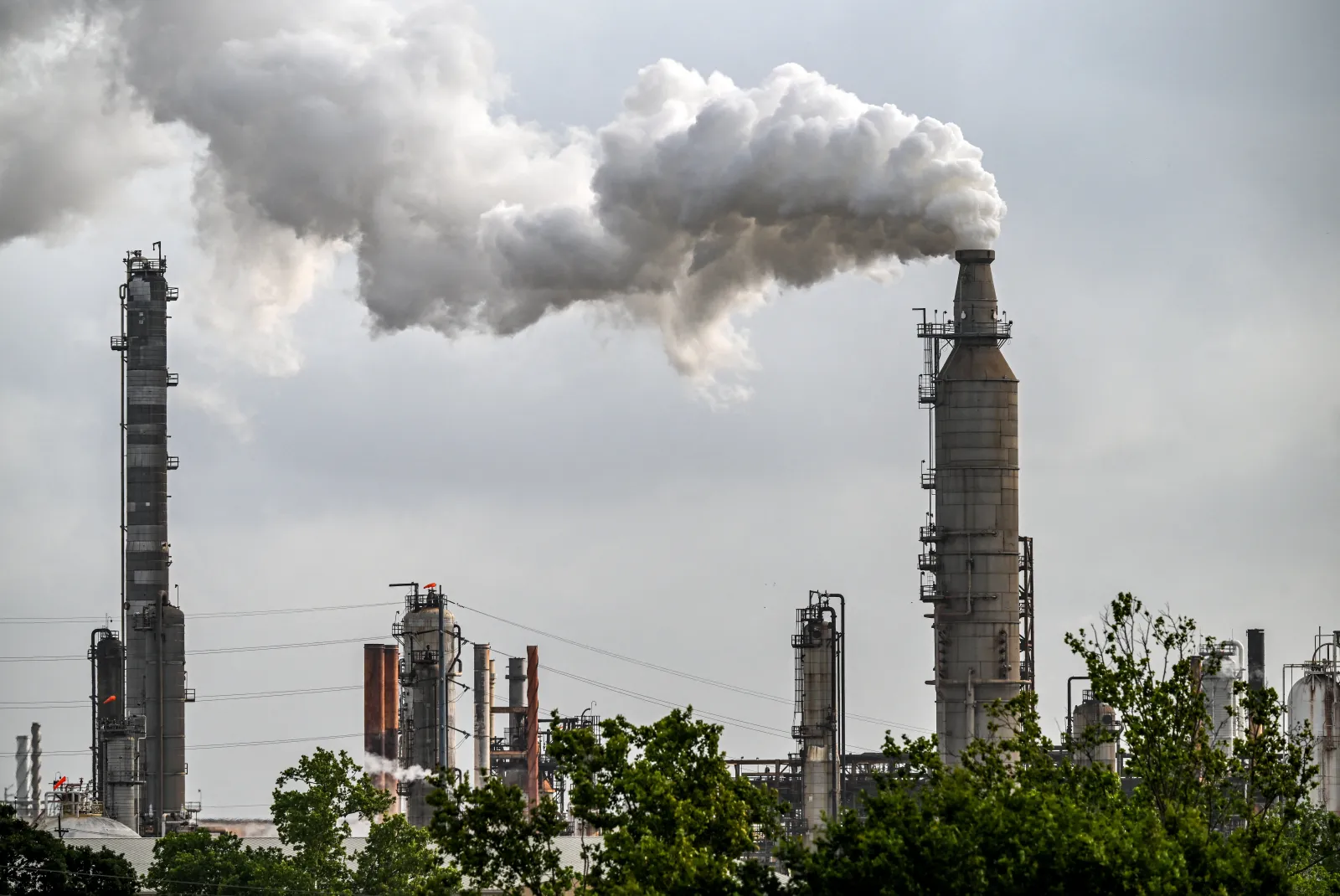
States along the Gulf Coast—Texas, Louisiana, Alabama, Mississippi—are home to the highest concentration of refineries in the country. Given this, the Dallas-based fuels distributor TACenergy has warned that “more than a quarter of U.S. refining capacity is at risk of upset from this storm.”
Reuters reports that many of the region’s refineries have already taken precautions, such as securing loose equipment that could be affected by the high winds.
Gas Prices’ Slow Road to Recovery
According to GasBuddy, the national average for regular unleaded stood at just under $4 per gallon as of Wednesday morning, down around 48 cents over the past month but still higher than their $3 level before the war began on February 28.
Aside from the effects of the storm—set to be named Arthur—analysts had already warned that even if the agreement proves durable, it could take months for gas prices to rebound from the conflict’s supply chain disruptions.
“Assuming the ceasefire holds, it will take many months for oil flows to recover,” Bob McNally, president of the consulting firm Rapidan Energy Group, told Newsweek.
“A full return to normal will likely take several weeks and potentially a few months as shipping schedules, inventories, and supply chains rebalance,” said Keland Rumsey, an energy markets analyst at East Daley Analytics.
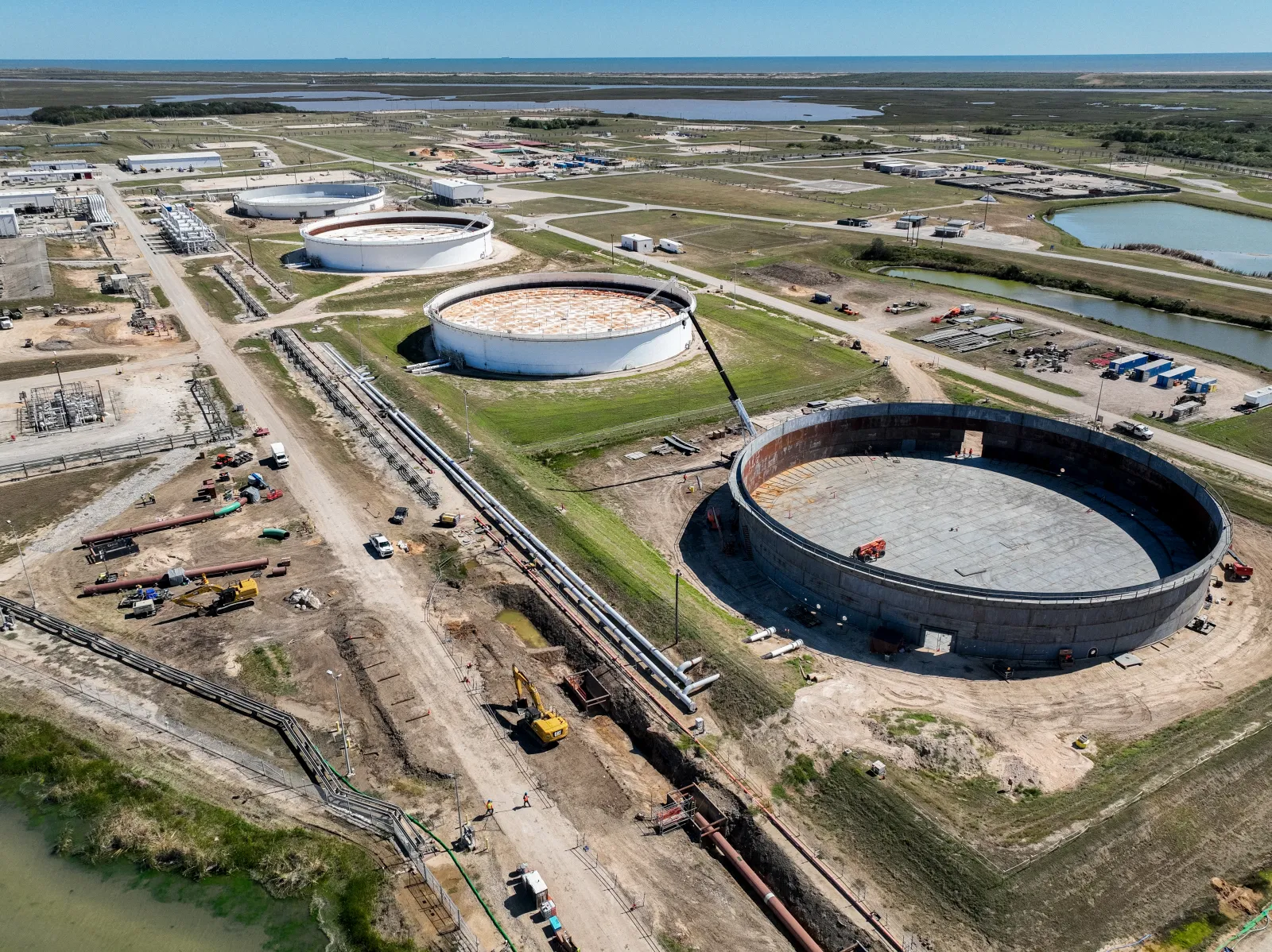
Rumsey noted that domestic pump prices “typically lag changes in crude prices,” meaning any benefits from restored flows will not be immediately noticeable to American drivers.
“A return to pre-war gasoline prices would depend not only on crude markets but also on refinery operations, seasonal demand, and whether any geopolitical risk premium remains in oil prices,” he added.