 1 week ago
21
1 week ago
21
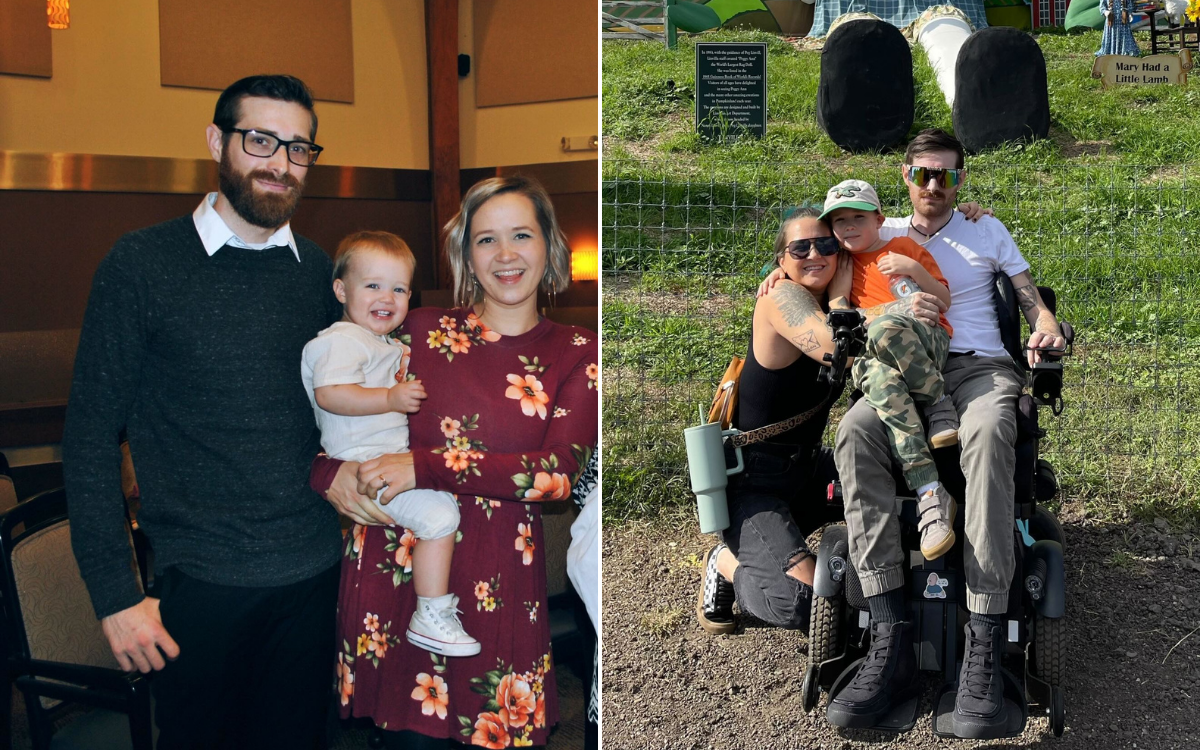
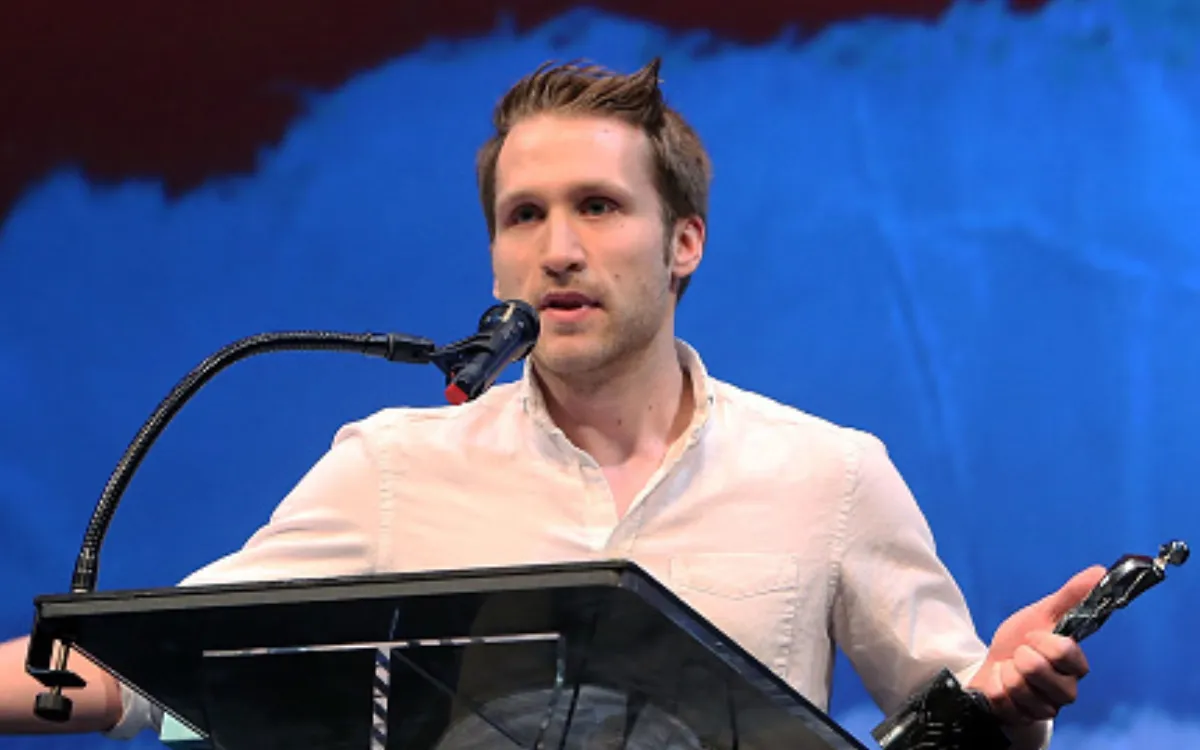
YouTuber Jesse Ridgway has sparked debate over abortion rights and disability after revealing he and his wife, Ashley, terminated a pregnancy after learning their baby had a high chance of being born with Down syndrome.
Ridgway, known as @McJuggerNuggets, shared the news on social media on Wednesday.
“This week, my wife and I made the very difficult decision to terminate the pregnancy due to Trisomy 21,” he wrote, adding the choice “was not made lightly.” He said the experience had been “extremely traumatic,” particularly for Ashley, who underwent the procedure earlier in the week.
The post has since been viewed more than 17.5 million times on X, reigniting debate around a highly contentious issue.
Newsweek has contacted Ridgway for comment.
What Is Trisomy 21?
Trisomy 21, or Down syndrome, is a genetic condition caused by an extra copy of chromosome 21, affecting physical and cognitive development. It occurs in around 1 in 700 to 1,000 births worldwide. While many individuals can lead full lives with the right support, the condition varies in severity.
Ridgway said he was “shocked but optimistic” at first but “didn’t fully understand” the condition, later citing risks such as heart defects, hearing and vision problems, and reduced life expectancy. “Down Syndrome isn’t a ‘blessing,’ it is objectively s***** from a health perspective,” he said.
He added that he and Ashley were told by “doctors, friends, family and genetic counselors” that “up to 90 percent of women terminate” after a Trisomy 21 diagnosis, a figure he said was “way higher” than expected. “We made a difficult decision that we believe… will be beneficial for our family,” he wrote. “Thankfully, we had a choice.”
The announcement drew a strong response on X. Conservative commentator Matt Walsh called the post “the most evil thing I’ve ever read on this platform,” while conservative journalist Megan Basham described it as “horrific,” saying it suggested people with Down syndrome are “not worth living.”
Anti‑abortion activist Abby Johnson also condemned Ridgway, calling him a “monster of a man” and claiming the unborn child had been “brutally” killed. Catholic podcaster Timothy Gordon said his eighth child, who has Trisomy 21, is “doing fantastic,” and urged people to reject Ridgway’s reasoning, accusing him of “murdering his own child.”
Journalist and anti‑abortion activist Ben Zeisloft also called on Ridgway to seek “repentance,” writing that “added inconveniences” do not justify ending the life of a baby with Down syndrome.
Ridgway’s Response
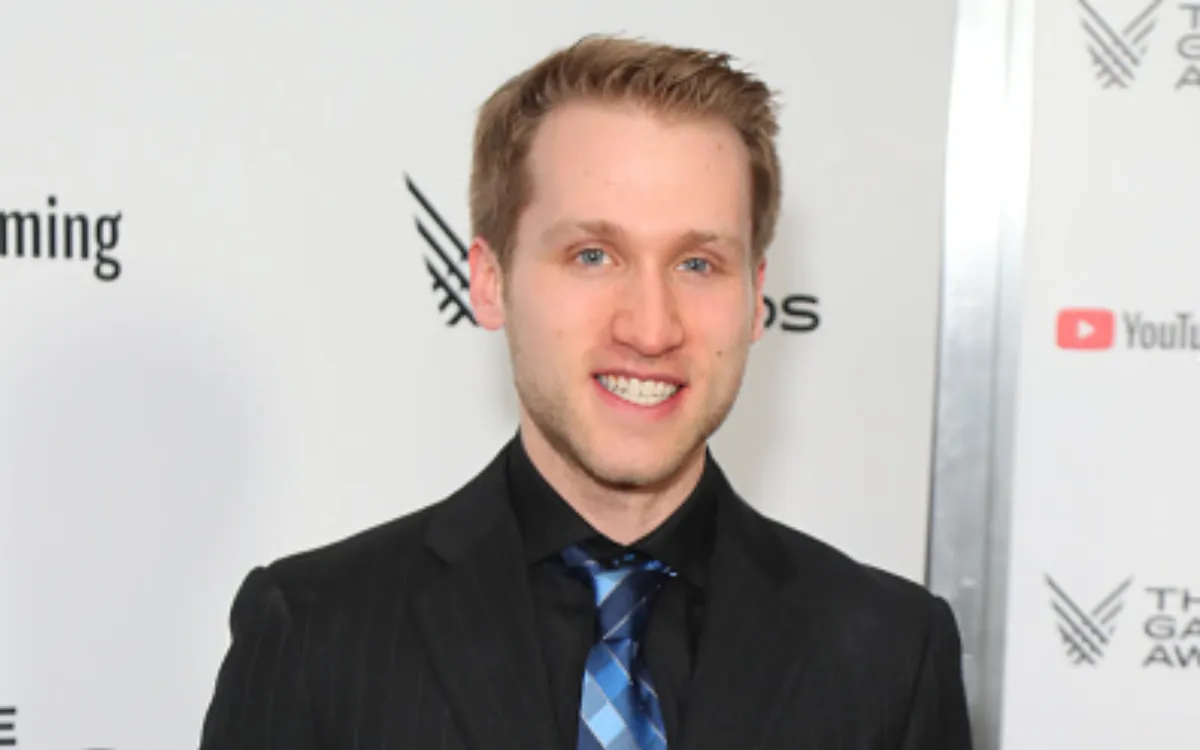
Ridgway said he was shocked by the backlash, saying he had “never seen such hate and vitriol” toward people “grieving” and making an “impossible decision.” He said they received insults, comparisons to Hitler and “non‑stop death threats,” with even personal details used against them.
He also criticized those invoking religion, calling it “hypocritical,” and pushed back at critics claiming they would have chosen differently. While praising families who continue such pregnancies, he said: “That is your choice… this was ours.” Ridgway added he spoke out to highlight “real suffering” and help others feel “less alone.”
Pre-Natal Screening
Prenatal screening is widespread in the U.S., with an estimated 25 percent to 50 percent of pregnant people undergoing non‑invasive prenatal testing (NIPT), which can flag Down syndrome as early as nine to 10 weeks—often before many legal abortion cutoffs. Studies support Ridgway’s claim that most of these pregnancies are terminated, with one large review finding an average rate of about 67 percent, ranging from 61 percent to 93 percent. However, screening tests are not definitive and can produce false positives.
This combination of early detection, relatively high termination rates, and some margin of error continues to drive the moral and political debate reignited by Ridgway’s announcement.
A Three-Way Debate
The U.S. debate over abortions following a Down syndrome diagnosis generally falls into three camps. The pro‑choice position argues the decision should remain with the pregnant person, given the emotional and medical complexity.
Disability rights advocates warn that terminating in these cases can devalue disabled lives, raising concerns about stigma and support. The pro‑life view goes further, arguing such abortions are discriminatory and should be restricted or banned.
Legal and Technological Complications
After Roe v. Wade was overturned in 2022, U.S. abortion law became a state‑by‑state patchwork. Some states allow broad access, including for fetal anomalies, while others impose strict bans—sometimes targeting Down syndrome specifically—meaning options vary widely depending on where someone lives.
At the same time, debate continues over prenatal testing. Critics warn of false positives and over‑optimistic marketing, while supporters say it enables earlier, more informed decisions—highlighting how the technology is advancing faster than ethical consensus.