 1 day ago
16
1 day ago
16
And we’re off – the 2026 FIFA World Cup is officially here, with kick-off in the first game of the tournament, between Mexico and South Africa, set to be later today.
But as we edge towards the beginning of the biggest World Cup in history, resale ticket prices are surging sharply in host cities, even as concerns persist about unsold seats and lower-than-expected demand for some matches.
Analysis of resale market data from TicketData, which tracks ticket listings across major marketplaces, found increases across all of the World Cup host cities in the week preceding the tournament's beginning.
The rising resale ticket prices come as there have been some concerns that the scale of the competition is not necessarily translating into tangible interest, with high pricing across both tickets and accommodation forming a potential barrier for some fans.
Ticket sales overall, though, have remained high. A spokesperson for FIFA told Newsweek, “Fans are at the heart of the FIFA World Cup, and never before in the tournament’s history have more tickets been sold directly to fans. FIFA is focused on ensuring fair access to our game for existing but also prospective fans, and offered group stage tickets starting at USD 60, a very competitive price point for a major global sporting event in the U.S.
"FIFA’s pricing strategy spans a broad range of price points and categories, reflecting market demand for each match. Tickets have been released across sales phases, such as Category 4 at the most accessible price point and a minimum of 1,000 tickets priced at USD 60 for every match, amounting to approximately 104,000 tickets in total for the tournament, via participating teams, including the final," the spokesperson added.
Why It Matters
Years of preparation have gone into the 2026 FIFA World Cup, which is being hosted across 16 cities, featuring 48 teams and more than 100 games and has promised a massive boost for the North American economy.
But the scale of the tournament means there has been continued attention on ticket sales, from how they have been priced to how they have been performing. Resale prices for some matches have dropped sharply, with one group-stage game dropping below $100 per ticket and several still showing more than 1,000 tickets available.
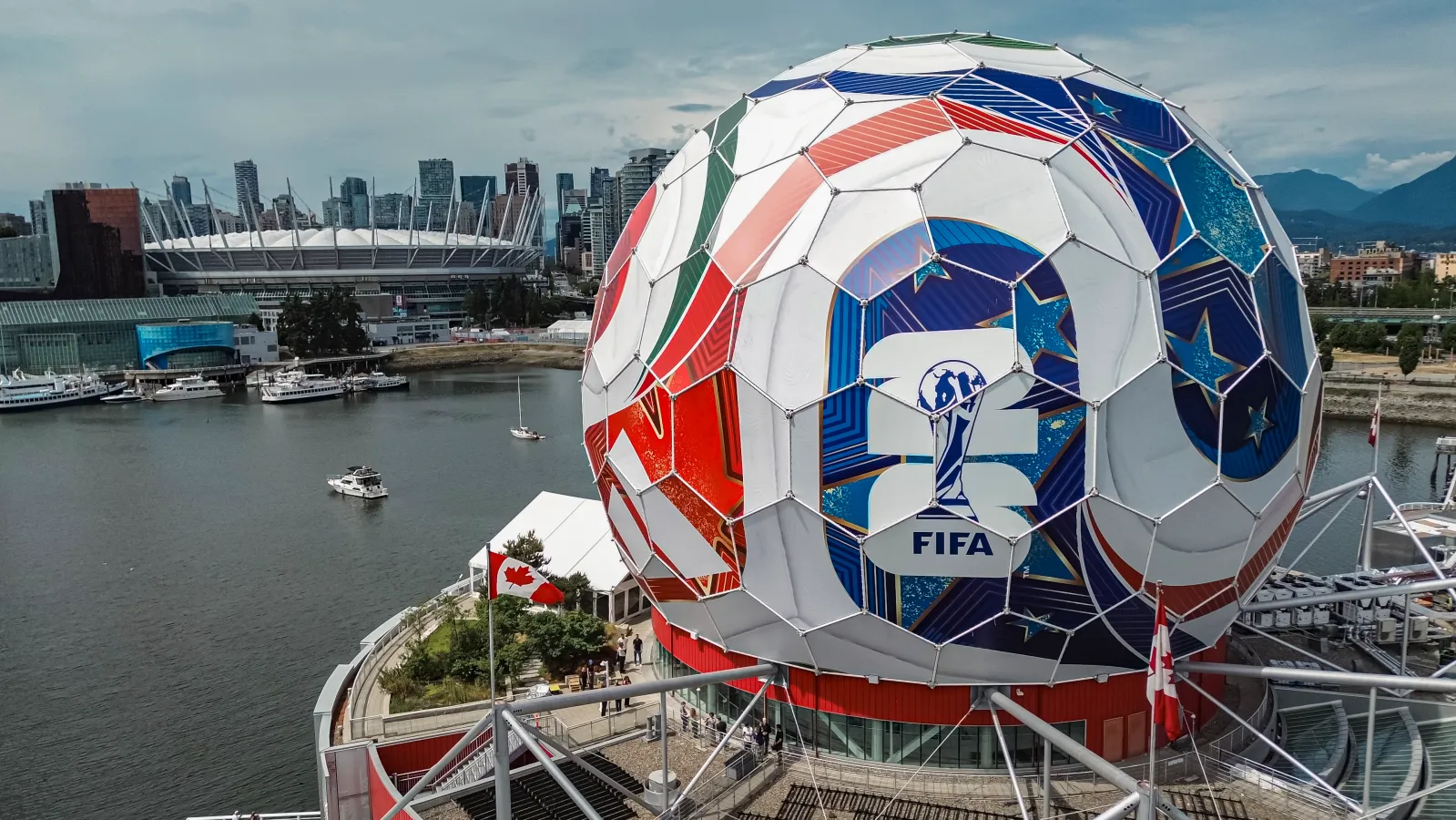
While there have been headlines about tickets remaining unsold, this inventory has largely been concentrated in a relatively small number of lower-demand matchups.
FIFA President Gianni Infantino said during the FIFA Congress in Vancouver, "There were many discussions about the ticketing of the (FIFA) World Cup." He added, “There are expensive tickets, yes, but there are also affordable tickets.”
Nevertheless, there is a spotlight on both prices and sales. President Donald Trump was asked to respond to the price of the U.S. team’s opening game against Paraguay on June 12, which comes to $1,000.
"I wouldn’t pay it either, to be honest with you," he said.
But while there have been concerns about partially filled stadiums, this is not necessarily unique to the 2026 tournament. Previous World Cups, including Qatar 2022, also faced questions about attendance and visible empty seats despite officially sold-out matches.
World Cup Host Cities With Steepest Resale Ticket Prices
Monterrey, Mexico, recorded the biggest seven-day increase in average "get-in" prices—defined as the cheapest available ticket for an event—rising 39.3 percent over the past week.
Mexico City ranked second, with prices climbing 28 percent, while Philadelphia saw a 22.2 percent increase. Atlanta and Houston followed with rises of 20.4 percent and 19.6 percent, respectively.
The data suggests resale prices have remained resilient in the final days before kickoff, despite expectations among some fans that ticket values would fall significantly as sellers looked to offload inventory.
Mexico City's matches currently command the highest average resale prices among all 16 host cities.
The Mexican capital has an average get-in price of $1,942, with the most expensive group-stage ticket reaching $3,473. Guadalajara and Miami are tied for second place at $1,291, while New York ranks fourth at $1,051.
At the opposite end of the scale, San Francisco has the lowest average resale price at $318, followed by Vancouver ($417), Kansas City ($437), Atlanta ($442), and Seattle ($526).
The gap highlights major differences in demand across the tournament's host markets.
It is important to note, however, that the ticket resale market is broad, with many resellers. FIFA does not set pricing on the resale market.
A spokesperson for FIFA told Newsweek, "FIFA’s Resale and Exchange Marketplace provides a safe, transparent, and secure environment for fans to sell or transfer tickets to other fans. The applicable resale facilitation fees are aligned with industry standards across North American sports and entertainment sectors. FIFA’s variable pricing ticketing approach aligns with industry trends across various sports and entertainment sectors, where price adaptations are made to optimize sales and attendance and ensure a fair market value for events.
“Unlike the entities behind profit-driven third-party ticket marketplaces, FIFA is a not-for-profit organisation. FIFA can proudly say that revenue generated from the FIFA World Cup every four years is reinvested to support the development of men’s, women’s and youth football across all FIFA 211 Member Associations, every day of the year via FIFA Forward and other key initiatives, in line with the FIFA Statutes," the spokesperson added.
What Happens Next
The 2026 FIFA World Cup will officially begin on June 11 and run up until July 19.
With the games about to begin, there is an extensive roster of festivities for fans to enjoy, from the Official FIFA World Cup Album to host cities loosening alcohol restrictions to encourage spending at bars, restaurants and fan festivals, and of course, the games themselves.