
 1 week ago
24
1 week ago
24
The Department of Veterans Affairs has overhauled how it purchases prosthetic limbs, a shift that immediately speeds up delivery for thousands of veterans nationwide.
The change matters because prosthetic orders have long been slowed by layers of procurement rules that added weeks to wait times for veterans who rely on these devices for mobility, independence, and recovery. The new policy removes most contracting reviews, affecting the vast majority of prosthetic limb orders and setting up a steep drop in average delivery times in the months ahead.
According to the VA, the streamlined process has already reduced wait times by 10 days, and the agency expects a 42 percent decrease once the system is fully implemented. VA Secretary Doug Collins said the goal is simple: eliminate bureaucracy that delays care for veterans who depend on timely access to prosthetics.
Newsweek reached out to Veterans Affairs via email after office hours on Wednesday.
What Happens When Prosthetics Are Delayed?
- Physical Setbacks: Long waits leave veterans in wheelchairs, causing muscle loss, joint issues, and chronic pain that slow recovery and risk permanent disability, according to U.S. Medicine.
- Mental Health Impact: Delays trigger depression, frustration, and isolation.
- Quality of Life: Missed work, reduced family time, and lost independence compound the problem. Post-9/11 vets, who live active lives and need frequent replacements, are hit hardest, U.S. Medicine reported.
VA Streamlines Delivery of Prosthetics: What We Know
The VA announced that as of April 22, 2026, approximately 95 percent of prosthetic limb orders no longer require approval from a contracting officer, a step that previously added several weeks to the process. Only the most expensive devices will still undergo that review.
Local purchasing agents are now authorized to buy directly from suppliers when prices are already set by Medicare, eliminating the need for negotiation and further cutting delays. These changes have already shortened delivery times and are projected to reduce the national average from 94 days to 54 days.
Secretary Collins said the shift allows clinicians and procurement teams to “provide Veterans with high‑quality prosthetic care, better and faster than before.”
The update is part of a broader push by the Trump administration to expand access to VA health care, reduce backlogs, and increase the number of veterans enrolled in the system.
How Many Veterans Receive Prosthetics Through the VA?
More than half of all veterans enrolled in VA health care rely on some form of prosthetic or sensory aid each year, making the VA the nation’s largest provider of these devices.
The system serves more than 3.5 million veterans annually across categories ranging from wheelchairs and hearing aids to eyeglasses and surgical implants. Within that group, between 45,000 and 100,000 veterans receive major limb loss care through the VA’s amputee network, depending on the scope of reporting in a given year.
The VA’s Orthotic, Prosthetic & Pedorthic Services program supports up to 380,000 veterans annually across more than 100 specialized facilities.
How Can Veterans Get Prosthetics From the VA?
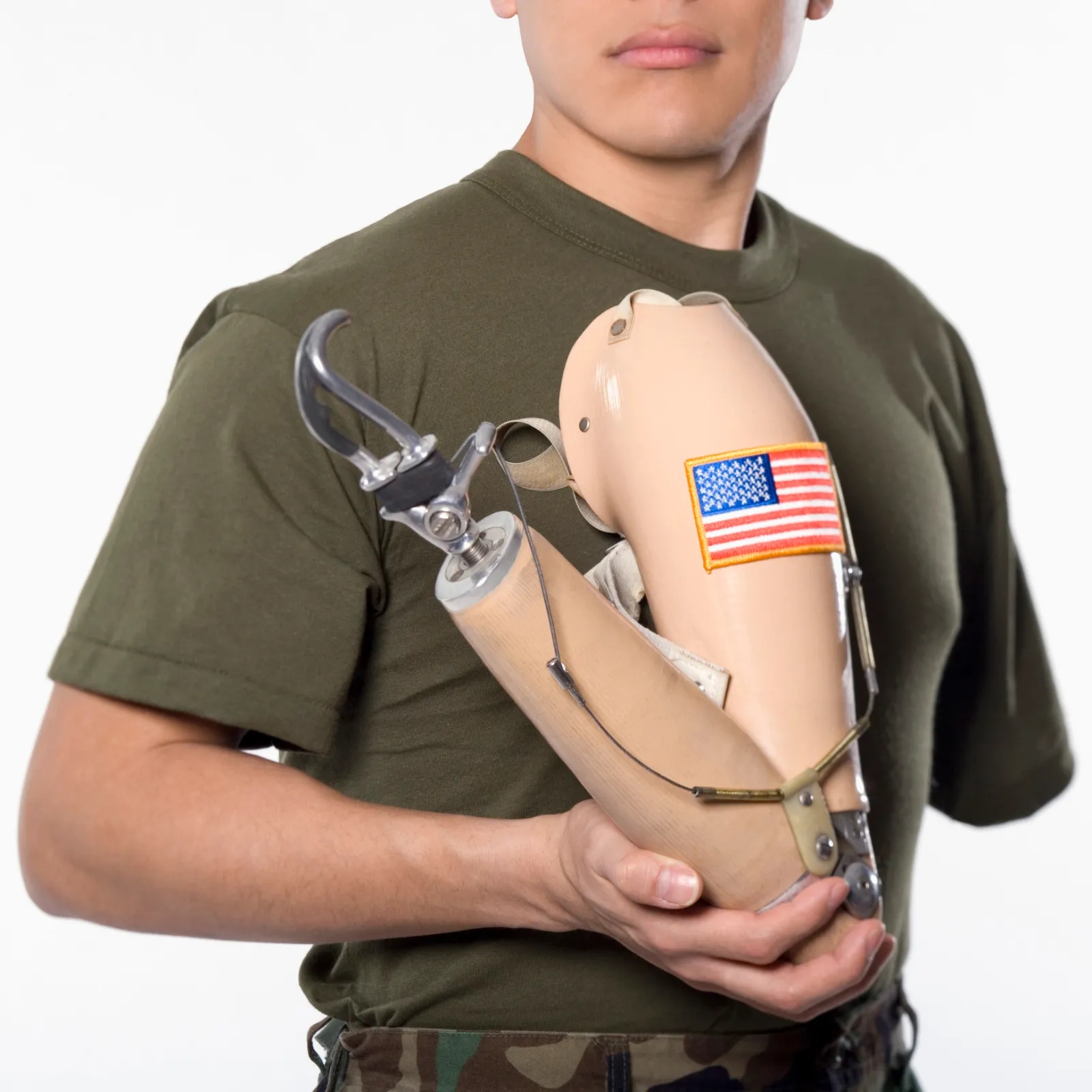
To access prosthetic care, veterans must be enrolled in VA health care and receive a referral from a physical medicine and rehabilitation physician.
Once approved, veterans can receive custom‑fabricated devices at more than 70 VA production sites or through hundreds of accredited community providers under contract with the department, ensuring care is available close to home.
How Are Medicare Holders Affected?
Veterans who also have Medicare remain eligible for VA prosthetics, but the two systems differ significantly.
The VA covers a broader range of equipment — including sensory aids, vehicle modifications, service dog insurance, and clothing allowances — while Medicare’s coverage is limited to traditional durable medical equipment and prosthetic devices supplied by Medicare‑enrolled providers.
Under the VA’s newly streamlined procurement rules, when a prosthetic limb’s price is already set by Medicare, local VA purchasing agents can buy it directly, which further accelerates delivery even for veterans who are not using Medicare to pay for the device.