
 1 hour ago
8
1 hour ago
8
Usha Vance has travelled internationally while around eight months pregnant, raising a familiar question: is it safe to fly at this stage of pregnancy?
She recently made a trip to Switzerland in the late stages of pregnancy, with her due date understood to be in late July.
While long-haul travel at this point in pregnancy often prompts concern, medical guidance in the United States says air travel is not automatically unsafe in uncomplicated pregnancies, including in the third trimester, though it does require additional caution and planning.
Newsweek contacted Vice President Vance's team and the American Pregnancy Association via online form on Sunday for comment.

What Medical Guidance Says
According to the U.S. Centers for Disease Control and Prevention (CDC), most pregnant travelers can fly safely if their pregnancy is uncomplicated, but they are advised to consult a healthcare provider before traveling.
The American College of Obstetricians and Gynecologists (ACOG) similarly states that occasional air travel is generally safe during pregnancy for people without obstetric or medical complications. However, both organizations emphasize the importance of medical clearance and individual risk assessment, particularly later in pregnancy.
Airlines also set their own policies. Many allow travel up to around 36 weeks of pregnancy, though some require a doctor’s note after approximately 28 weeks, especially for international or long-haul flights.
Why 8 Months is Considered Higher Risk
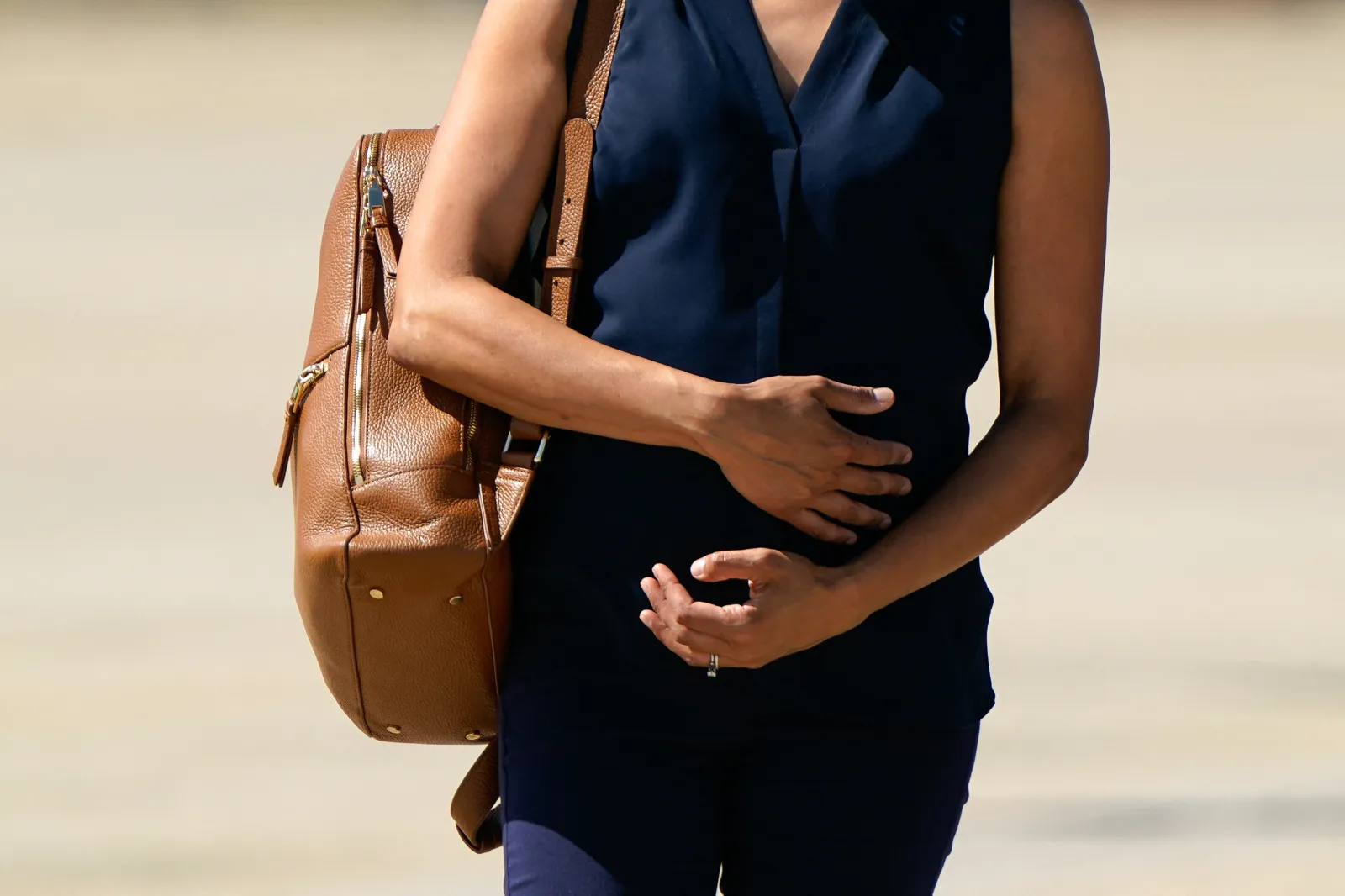
While the second trimester, roughly 14 to 28 weeks, is generally considered the safest window for travel, later-stage pregnancy brings additional considerations.
At around eight months, the risk of preterm labor is higher than earlier in pregnancy, and physical discomfort during travel is more common. Reduced mobility during flights can also increase the risk of complications such as blood clots, although the absolute risk remains low for most healthy pregnancies.
International Travel Considerations
Long-distance air travel in late pregnancy can increase the likelihood of swelling, fatigue, and circulatory issues such as deep vein thrombosis (DVT). Being far from home healthcare systems can also be a factor if unexpected complications arise.
Medical experts typically recommend basic precautions such as moving regularly during the flight, staying well hydrated, and using compression stockings when appropriate. A pre-travel medical consultation is especially important for long-haul trips.
Traveling abroad while pregnant also involves practical planning around access to medical care, emergency services, and insurance coverage. Switzerland is generally regarded as having a high-quality healthcare system, which can offer reassurance in terms of access to treatment if needed.
The Rise of the 40-Plus Mom
As previously reported by Newsweek, the second lady is now part of the fastest-growing group of mothers in the United States.
A new report from the CDC found that for the first time in modern U.S. history, women over 40 are now giving birth at higher rates than teenage girls.
General Advice for Travelling
Air travel at eight months pregnant is not uncommon and is not prohibited in the United States, but it is typically recommended only with medical clearance and careful planning. Whether it is advisable depends heavily on individual health, pregnancy history, and the length and nature of the trip.