
 1 week ago
34
1 week ago
34
A second case of the New World screwworm, a flesh-eating parasitic fly, has been confirmed in a calf in Texas, while Canada’s food inspection agency announced a temporary ban on livestock from the region.
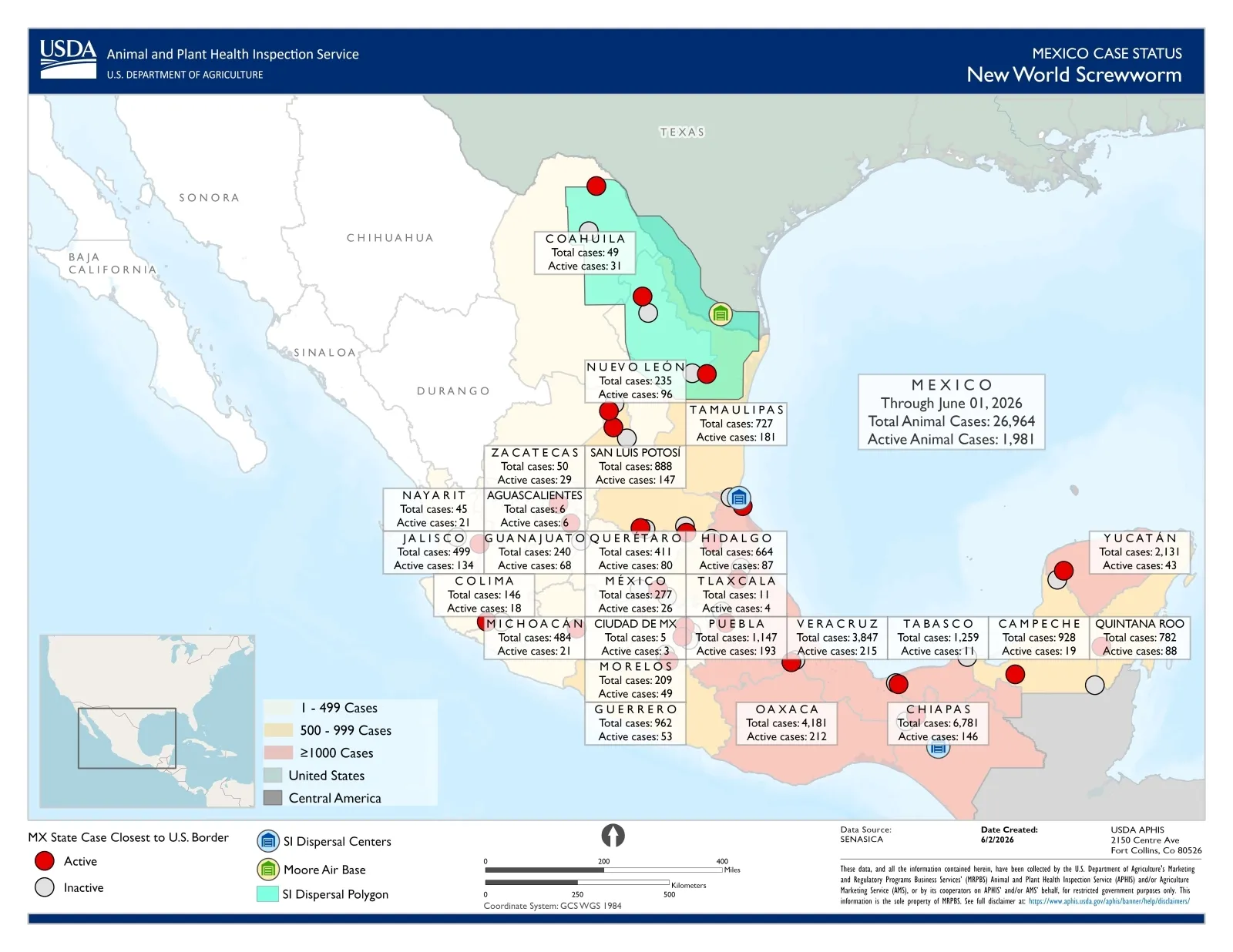
The U.S. Department of Agriculture (USDA) on Friday said the new case in Zavala County was detected on a ranch about 5 miles from the first positive case of screwworm in Texas. That was discovered in a single 3-week-old calf in La Pryor, Texas, about 50 miles from the U.S.-Mexico border.
The USDA discovered the second infestation "after testing a number of suspect cases," the department's Animal and Plant Health Inspection Service (APHIS) said in a press release.
APHIS and Texas Animal Health Commission officials are continuing to "collect and test other samples from the surrounding area which have come back negative," the release said.
The USDA has established a quarantine zone around both cases, prohibiting the movement of animals outside that zone without an inspection.
Breaking The Reproductive Cycle
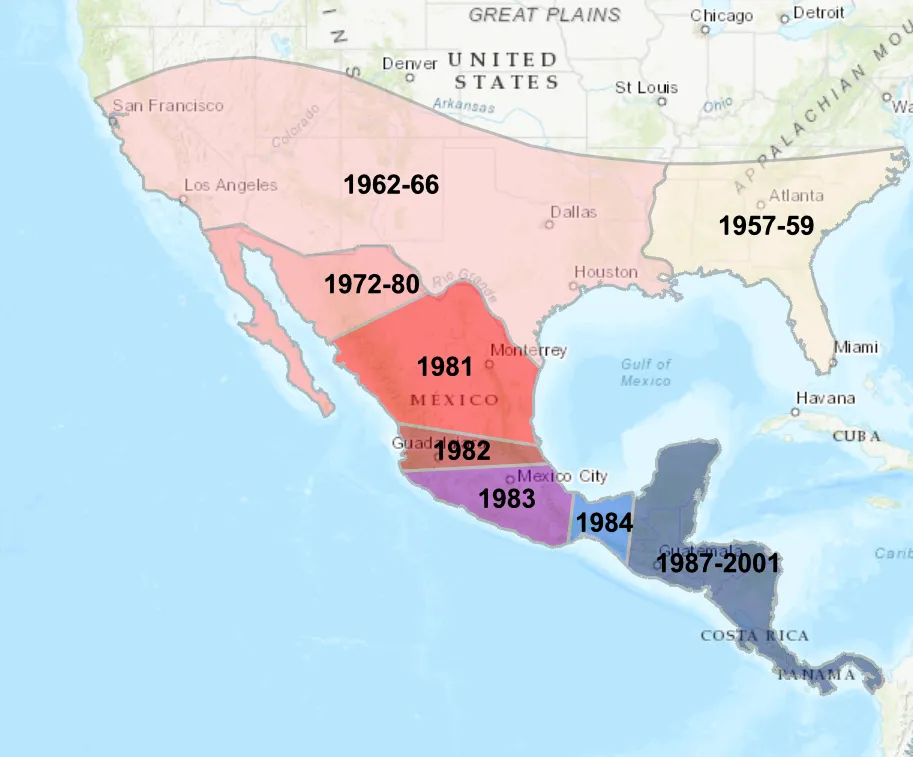
The deadly flies were detected in Mexico late in 2024, after years of being contained at the southern end of Panama. Federal and state officials had been working to keep the parasite from reaching Texas, home to $17 billion worth of the nation’s cattle, making it the industry’s No. 1 state.
A widespread outbreak could pose a significant economic threat, by shrinking already tight cattle supplies, disrupting trade and pushing U.S. beef prices higher.
Texas Governor Greg Abbott expanded statewide disaster declaration on Friday, authorizing the use of “all available resources of state government to respond to this disaster."
The order reassigns resources from across the state as needed and makes state personnel available to accelerate the shipment of sterile flies into Texas and the construction of a sterile fly facility. The sterile flies are intended to break the reproduction cycle of the parasitic fly.
“We have eradicated this pest before, and we will do it again,” he said.
Canada Temporarily Bans Texas Livestock
Canada's food inspection agency has now announced temporary import restrictions on livestock from Texas.
The Canadian Food Inspection Agency (CIFA) said that animals, including horses, that originate from, or were present in, Texas within 21 days prior to arriving at the Canada-U.S. border would not be accepted into Canada.
“The flesh-eating larvae of this parasitic fly threatens the lives of its host animals,” the agency said in a statement.
“While our colder climate is not hospitable for the long-term establishment of the fly in Canada, they can survive shorter periods of time in the summer months. Taking this action now is an appropriate risk mitigation measure to prevent its introduction and protect animal health.”
The agency urged animal owners and veterinarians to look out for signs of screwworm infestations in livestock, including wounds that worsen over time, discharge and foul odor.
Canadians travelling to Texas with their pets are encouraged to “remain vigilant and inspect their pets regularly for any signs,” the agency said.
What Is Screwworm?
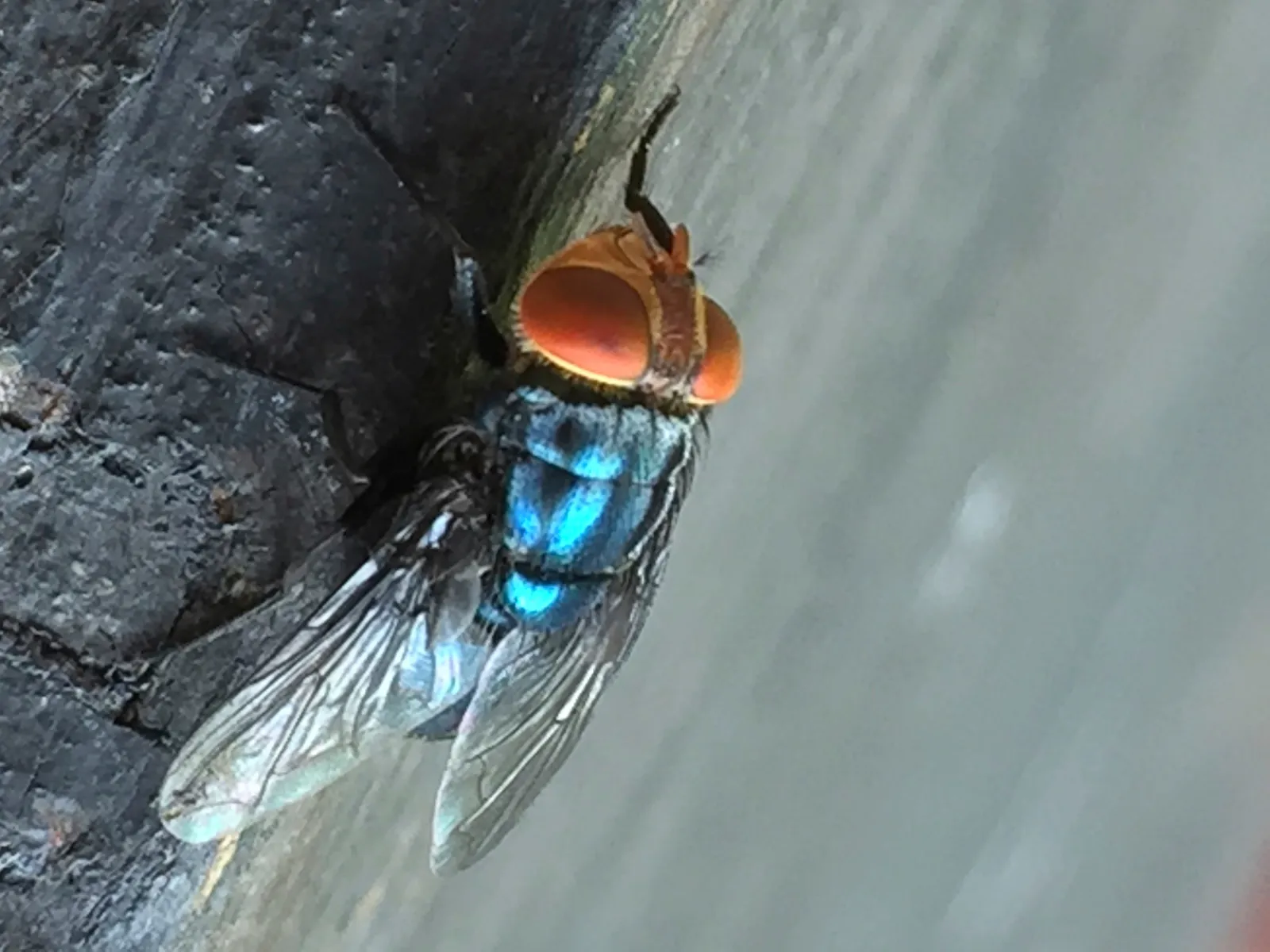
The New World screwworm is a parasitic fly whose larvae feed on the living tissue of warm-blooded animals, causing severe and sometimes fatal wounds.
Female flies lay eggs in open wounds or body openings, hatching maggots that burrow into flesh. Unlike most maggots that feed on dead tissue, screwworm larvae consume healthy tissue, making infestations particularly dangerous.
The parasite primarily affects livestock, but can also infect wildlife, pets and, in rare cases, humans.
How Does New World Screwworm Spread?
The parasite spreads primarily through the movement of infested animals. Livestock trade, wildlife migration, and cross-border animal movement can all contribute to its spread.
The pests can infest people and pets as well, but the risk to humans is low.
New World Screwworm Symptoms
Infected animals often have painful, worsening wounds that may emit a foul odor and fail to heal. Visible larvae in wounds, unusual discharge, and signs of distress are other potential indicators. If untreated, the infestation can lead to severe tissue damage, secondary infections, and even death.
In rare human cases, symptoms include painful skin lesions and the sensation of movement within the wound, and if the wound becomes infected, fever and chills can be secondary symptoms.
What To Look Out For In Pets
Dogs and cats are among the animals that can become infested if exposed. Screwworm flies are attracted to even very small wounds, laying eggs that hatch into larvae within hours.
Pet owners should watch closely for any wound that appears to worsen rather than heal, particularly if it becomes painful, swollen or starts to smell.
Early signs of a potential screwworm infestation include persistent licking or biting at a specific spot, discharge or bleeding from a sore, and—more seriously—visible larvae or a sensation of movement inside the wound.
Because the parasite can develop quickly, vets say even small cuts or insect bites should be checked and treated promptly, especially in animals that have traveled to or come from higher-risk regions.
"Visual inspection is the primary way that infected animals are identified. The disease is very treatable, and the sooner affected animals are seen and treated by their veterinarians, the less the chance of further spread to additional animals," Sally DeNotta, a leading expert in infectious disease in equine internal medicine at the University of Florida, told Newsweek.
"Owners should inspect their animals and livestock for wounds that are not healing appropriately or appear to be infected with maggots.
"NWS-infected wounds are quite painful, and animals are often particularly bothered by the sites of infection. If any of these signs are noted, owners and ranchers should contact their veterinarian immediately."