
 1 week ago
30
1 week ago
30
The United States, the United Kingdom and Australia have unveiled a new joint project to develop advanced underwater drones, marking a fresh push to strengthen their security alliance and boost military capabilities in response to growing concerns over China’s maritime power.
The announcement, made at a major Singapore summit on defense, signals a shift from long-term planning toward faster delivery of deployable technology.
It comes as Chinese-linked vessels have been suspected in incidents involving damaged undersea cables near Taiwan and in European waters, adding urgency to efforts by Washington and its allies to secure critical seabed infrastructure.
Officials from all three countries said the first capabilities could be ready as early as next year, with the U.K. committing $200 million to the effort as part of a wider push to modernize allied forces.

Key Points
- U.S., U.K. and Australia will jointly develop uncrewed underwater vehicles (UUVs) under the AUKUS alliance, a trilateral defense pact to boost military capabilities
- First capabilities are expected to be ready as early as next year
- Project will focus on protecting undersea infrastructure and boosting surveillance and strike capabilities
- Officials say the move reflects a shift toward faster delivery after criticism of slow AUKUS progress
The Background
The U.S., U.K. and Australia announced on May 30, 2026, that they will jointly develop underwater drone technology under AUKUS to protect infrastructure and strengthen military capabilities.
The move comes amid rising tensions in the Indo-Pacific and growing concerns in Washington over China’s expanding naval presence and undersea activities.
It accelerates AUKUS cooperation, delivering new military technology to U.S. and allied forces while reshaping how undersea threats are monitored and countered.
Why It Matters
AUKUS was launched in 2021 to deepen defense cooperation between the U.S., U.K. and Australia, with a strong focus on countering China’s influence in the Indo-Pacific. Until now, progress has faced criticism for moving too slowly, especially on advanced technologies meant to complement long-term submarine plans.
AUKUS Pushes Into Advanced Underwater Warfare
A new phase of AUKUS is now taking shape, with officials framing the underwater drone program as a tangible step toward delivering real capabilities rather than long-term promises.
The initiative is the first major “Pillar Two” project under the alliance, which focuses on advanced technologies rather than nuclear-powered submarines.
Speaking at the Shangri-La Dialogue in Singapore, U.S. Defense Secretary Pete Hegseth said the three countries were “accelerating delivery of advanced capabilities to our war fighters,” announcing a “signature project focused on fielding advanced uncrewed undersea vehicles.”
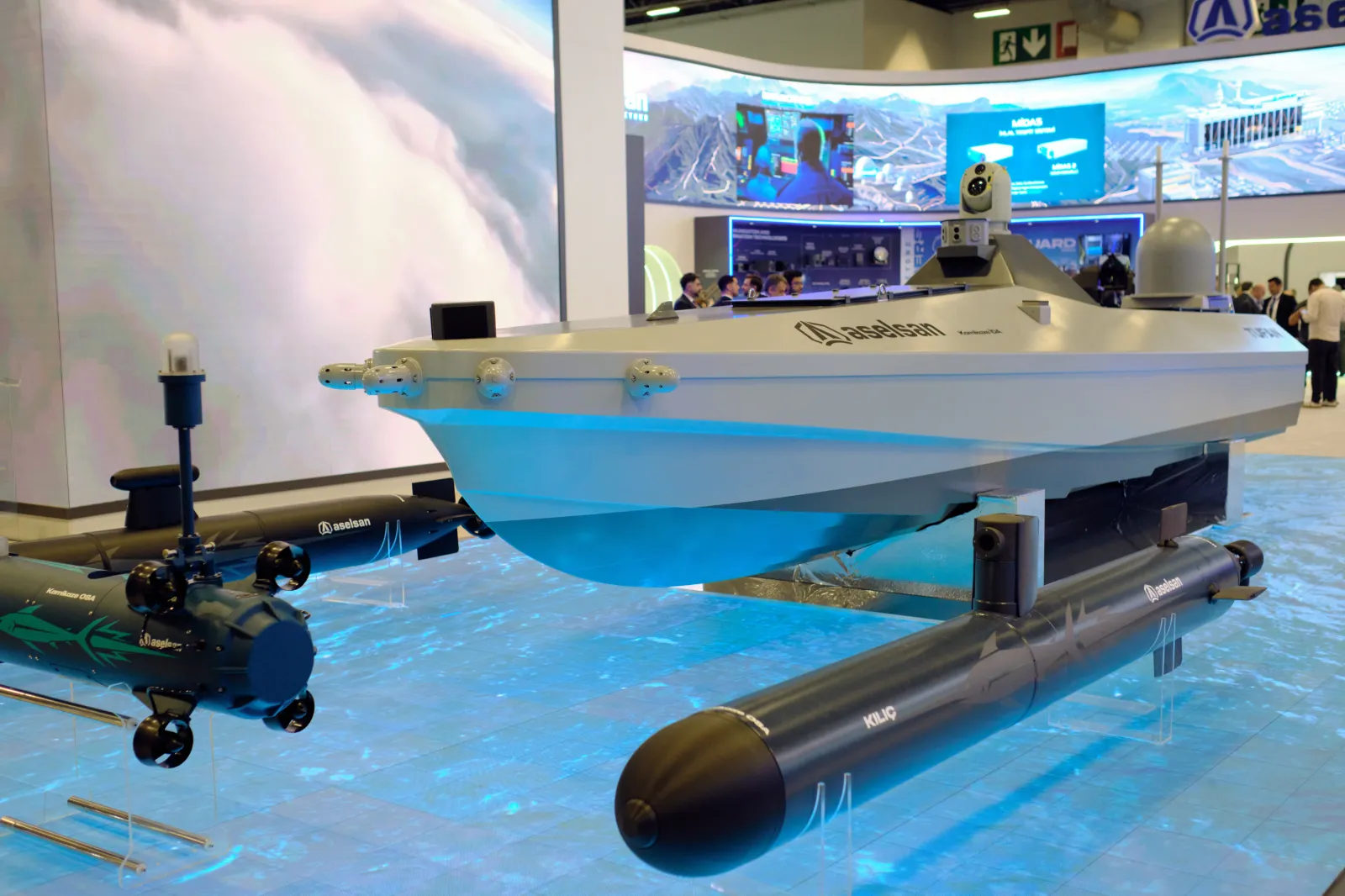
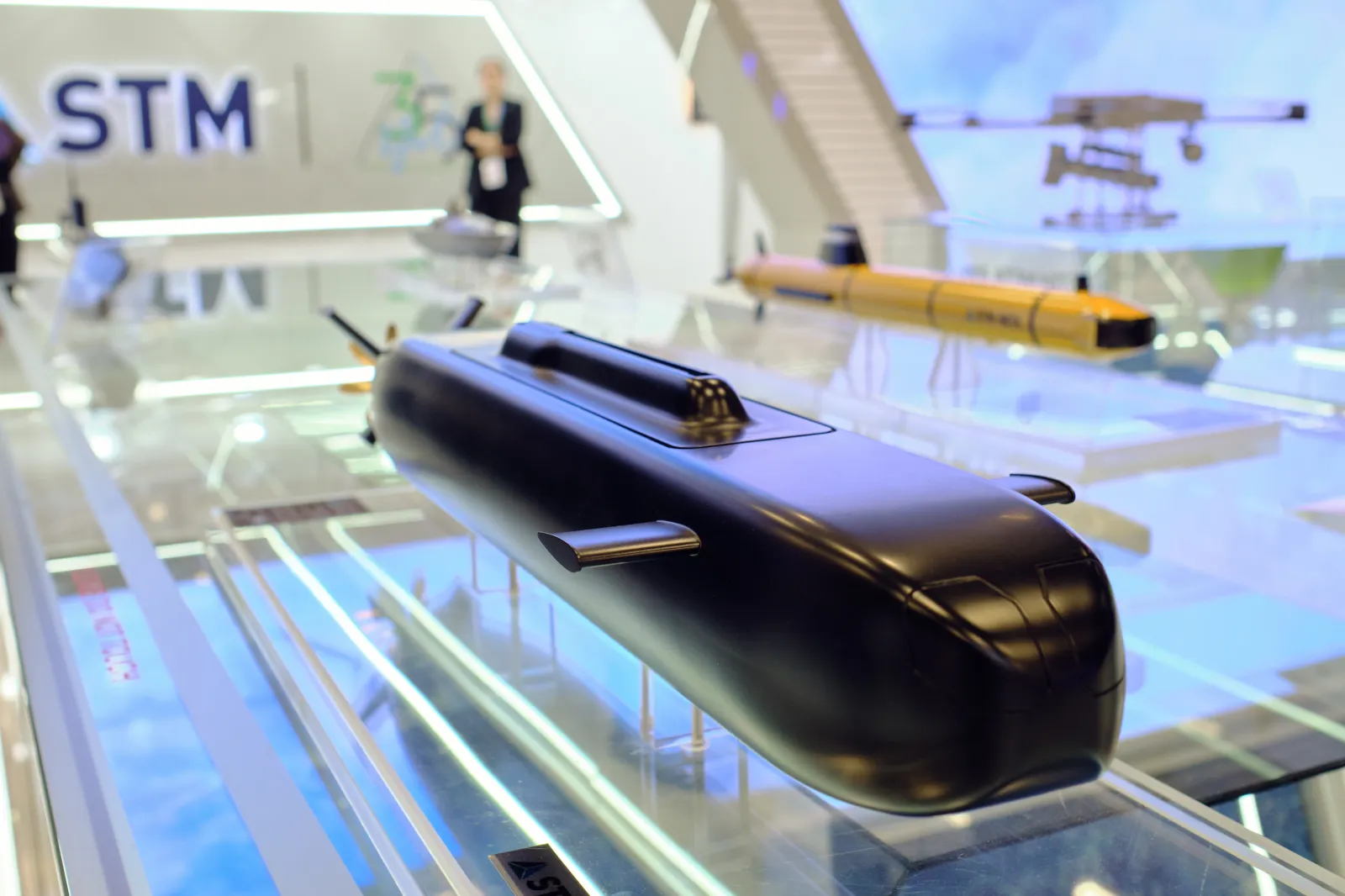
These underwater drones—known as UUVs—are designed to carry a range of payloads, including sensors and weapons systems.
They can be used for surveillance, reconnaissance, strike missions and protecting critical infrastructure such as undersea cables and pipelines.
That focus reflects growing concern over vulnerabilities beneath the ocean surface.
The Critical Importance of Undersea Cables
Vast amounts of global data and communications flow through undersea cables, making them essential to daily life in the U.S. and its allies.
Incidents involving damaged cables in regions including the Baltic Sea and waters around Taiwan have sharpened those concerns.
U.K. Defense Secretary John Healey acknowledged past criticism of the alliance’s pace, saying: “For too long in AUKUS, we talked too much and delivered too little. That has now changed under our three governments.”
He added the systems would “rapidly give our forces advanced battle technologies,” while warning of risks to “underwater cables and pipelines on which so much of our daily life depends.”
China Tensions and Broader AUKUS Strategy
Although officials stopped short of naming China directly, the broader strategic backdrop remains clear.
AUKUS is widely seen as part of a U.S.-led effort to counter Beijing’s expanding naval presence and assertiveness in contested areas such as the South China Sea.
Chinese vessels have been suspected in incidents involving damaged cables, while Beijing has criticized AUKUS as “dangerous” and warned it could fuel a regional arms race.
At the same time, U.K. officials have accused Russia of carrying out covert activity targeting undersea infrastructure in the North Atlantic, adding urgency to efforts to monitor and defend the seabed.
The drone program sits alongside AUKUS’s flagship submarine effort under “Pillar One.” That longer-term project aims to deliver nuclear-powered submarines to Australia, though full deployment is still years away.
In the interim, the U.S. and U.K. plan to rotate submarines through Australian bases later this decade.
Australian Defense Minister Richard Marles said the new initiative shows progress is now accelerating, describing it as “real capability” that will reach the battlefield in the near term.
For Washington, the shift toward faster delivery reflects mounting strategic pressure to maintain its military edge in the Indo-Pacific.
Seen together, the underwater drone effort signals a move away from long-term ambition toward near-term execution—underscoring how competition with China is increasingly playing out beneath the surface.