 4 days ago
21
4 days ago
21
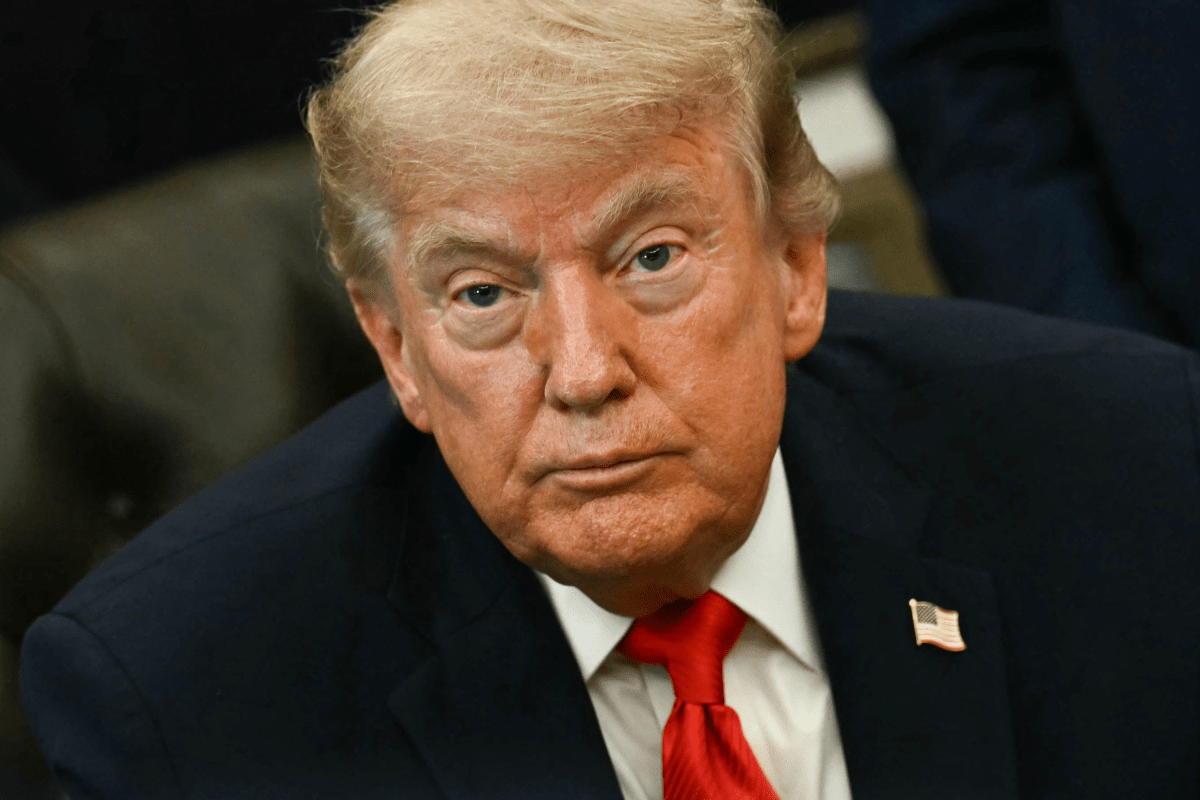
Ukraine has long been perceived in Washington as a political problem, if not an economic burden. The Trump administration moved from the assumption that it could quickly strike a deal with Russia by granting it parts of Ukraine it coveted, to protracted negotiations marked by Russian deception and mockery. The Kremlin interpreted this as weakness and viewed Ukrainian resistance as an obstacle to be crushed rather than a reality to be reckoned with. Washington now appears eager to distance itself from a problem that keeps returning as both a strategic embarrassment and a potential geopolitical defeat in the center of Europe.
Yet Ukraine, like Russia, emerged in 1991 from the ruins of the Soviet Union and embarked on the difficult and unprecedented path from communist totalitarianism to democracy. Along the way, Kyiv chose to rely on America as the principal guarantor of the post-Cold War order. In 1994, Ukraine signed the Budapest Memorandum with the United States, Britain and Russia, surrendering the world’s third-largest nuclear arsenal in exchange for assurances of its sovereignty and territorial integrity. The missiles and warheads were transferred to Russia, another heir to the Soviet nuclear arsenal.
The democratic trajectories of Russia and Ukraine soon diverged. After several uncertain but hopeful years, Russia slid back toward authoritarianism and eventually evolved into a personalist tyranny. Today, it wages an unprovoked war of conquest against Ukraine, whose increasingly successful democratic development the Kremlin views as an intolerable challenge to President Vladimir Putin’s regime. A free and European Ukraine would expose the central falsehoods on which Putinism rests: that societies shaped by the Soviet past are destined for autocracy rather than liberty, and that the West lacks the resolve to stand against him and his partners in China, Iran and North Korea.
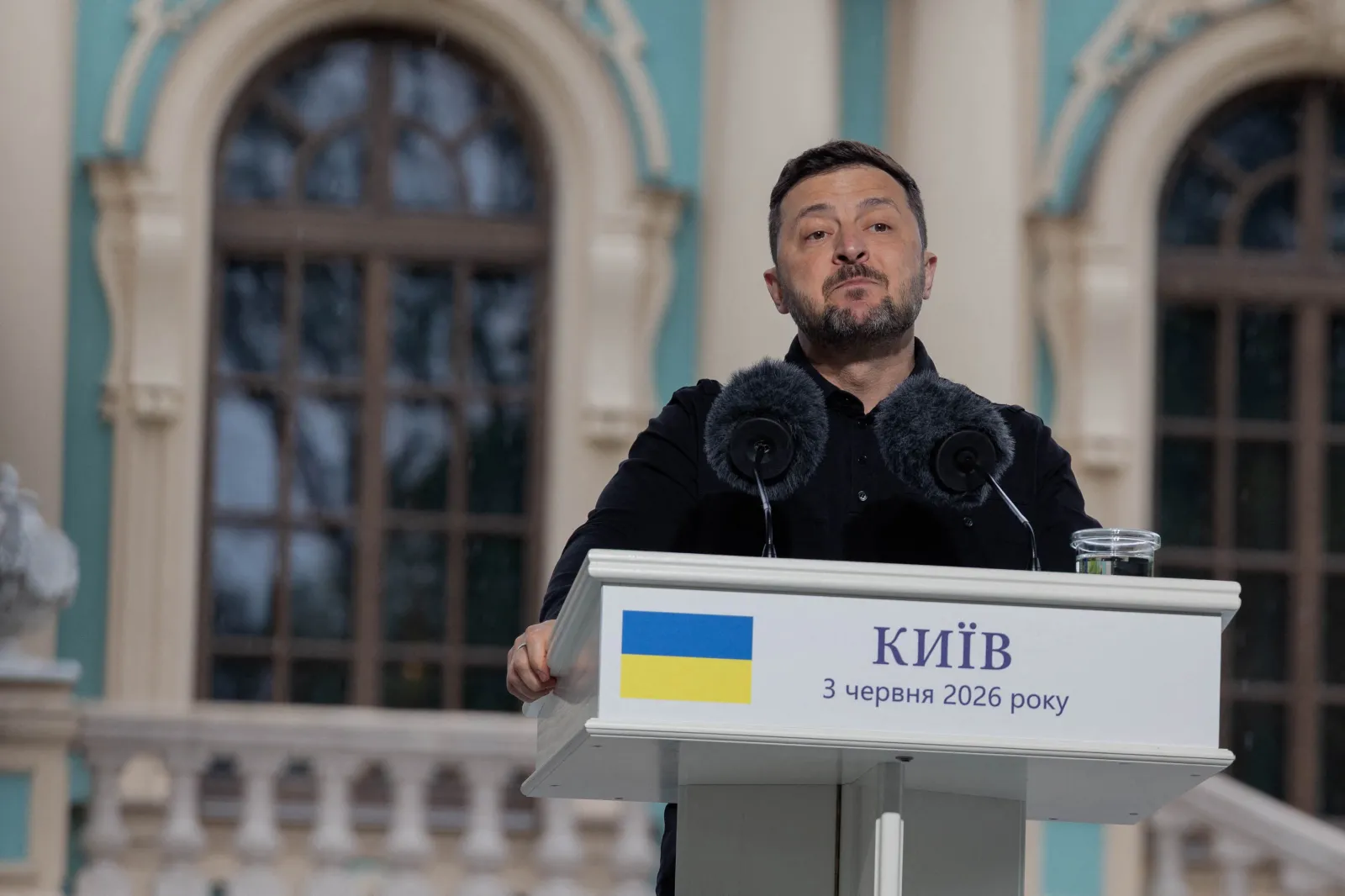
One achievement of the Trump administration has been the mobilization of America’s European allies in support of Ukraine, not only rhetorically but materially. European governments have now committed more than $100 billion to Ukraine’s defense and reconstruction effort—a sum comparable to total American assistance over previous years.
Ukraine, meanwhile, has demonstrated an ability not merely to withstand aggression, but increasingly to strike back effectively. In the process, it has become one of the world’s most innovative military laboratories, pioneering advances in drone warfare, battlefield adaptation and electronic defense. Kyiv is no longer simply a recipient of Western security assistance; it is becoming a contributor to the security of the West itself.
Russia’s economy is under growing strain, but that is hardly new. Since the occupation of Crimea in 2014, Moscow has lived under mounting Western sanctions. While these have inflicted real pain, they have not been sufficient to stop the war. As former Secretary of State Mike Pompeo argued, the answer to what to do next is simple: “Ukrainian victory.”
Putin chose military force as his principal instrument of policy, and it remains the language he respects most. Helping Ukraine acquire the advanced weapons necessary to defeat the invasion is the only realistic way to compel the Kremlin to end the war and withdraw from occupied territories.
Regarding the fear of nuclear escalation, Putin is ruthless but not suicidal. He is far more likely to preserve his rule over Russia within its internationally recognized borders than to risk a catastrophe of existential proportions. Faced with military failure, he would most likely declare a form of victory, intensify domestic repression and seek to preserve his regime.
Now is the time for America to support Ukraine with clarity and resolve. This is a moment for the United States to rally allies, deter further aggression and demonstrate strategic confidence. A firmer American response in Europe would also force Beijing to think twice before testing U.S. credibility in Taiwan.
The true "art of the deal" is to transform apparent burdens into strategic opportunities. The United States did so after World War II by helping rebuild Europe and Japan, turning battlefields into pillars of the democratic world order. Ukraine presents a similar opportunity today. Rather than treating Kyiv as a dependency, Washington should recognize it as a future strategic asset: a battle-tested nation positioned at the frontier of European security.
History rarely offers great nations a second chance to shape a more secure world. The United States seized these opportunities in the 1940s and during the Cold War. It must not allow another historic moment to slip away.
Andrei Kozyrev was the first foreign minister of post-Soviet Russia and a leading advocate of partnership with the United States and the West. He co-authored the 1991 agreement that peacefully dissolved the Soviet Union and helped negotiate the 1994 Budapest Memorandum, under which Ukraine relinquished its nuclear arsenal in exchange for security assurances from the United States, the United Kingdom and Russia.
The views expressed in this article are the writer's own.