 1 week ago
26
1 week ago
26
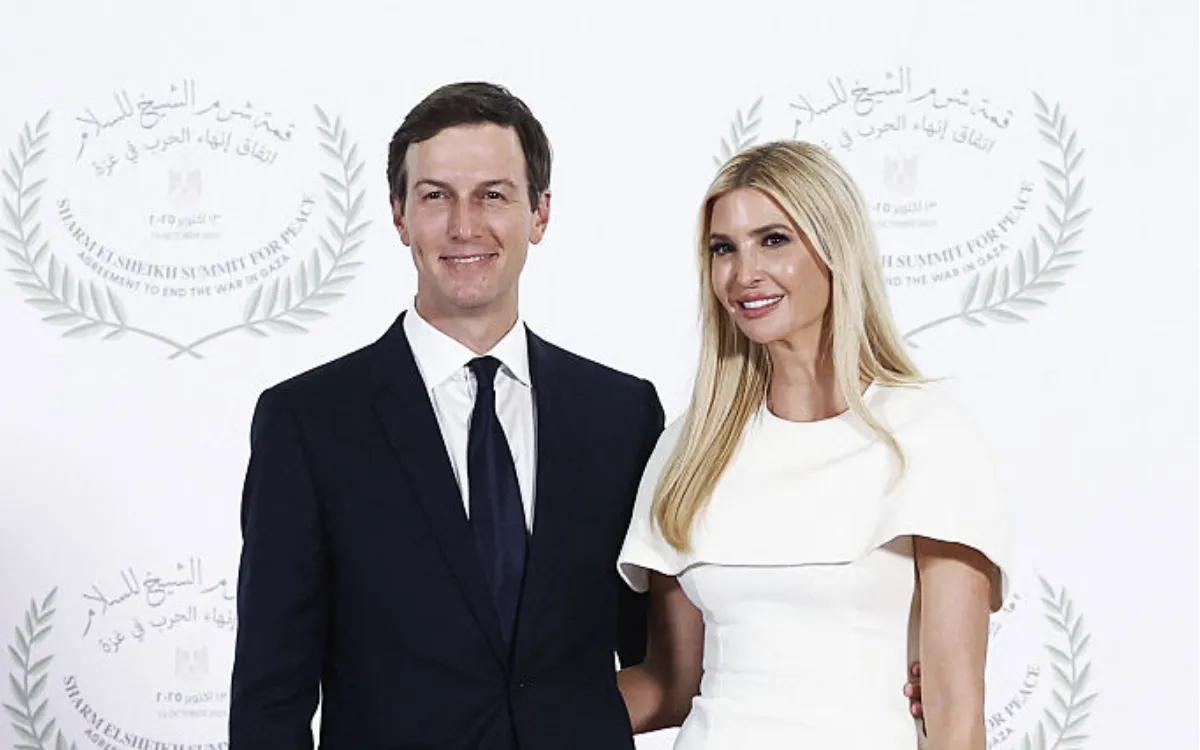
President Donald Trump's daughter, Ivanka Trump, and her husband, Jared Kushner, are back in the spotlight after revealing plans to develop a luxury resort on Sazan Island, a remote spot off Albania’s Adriatic coast.
Speaking on the Founders podcast, Ivanka said they discovered the island by chance while on a boat trip, recalling: “We were on a friend’s boat, and we stopped for a swim…and we were just captivated.”
That initial fascination has evolved into a major project, with the couple now planning a large-scale resort backed by roughly $1.4 billion to $1.6 billion in investment from Kushner’s firm, Affinity Partners.
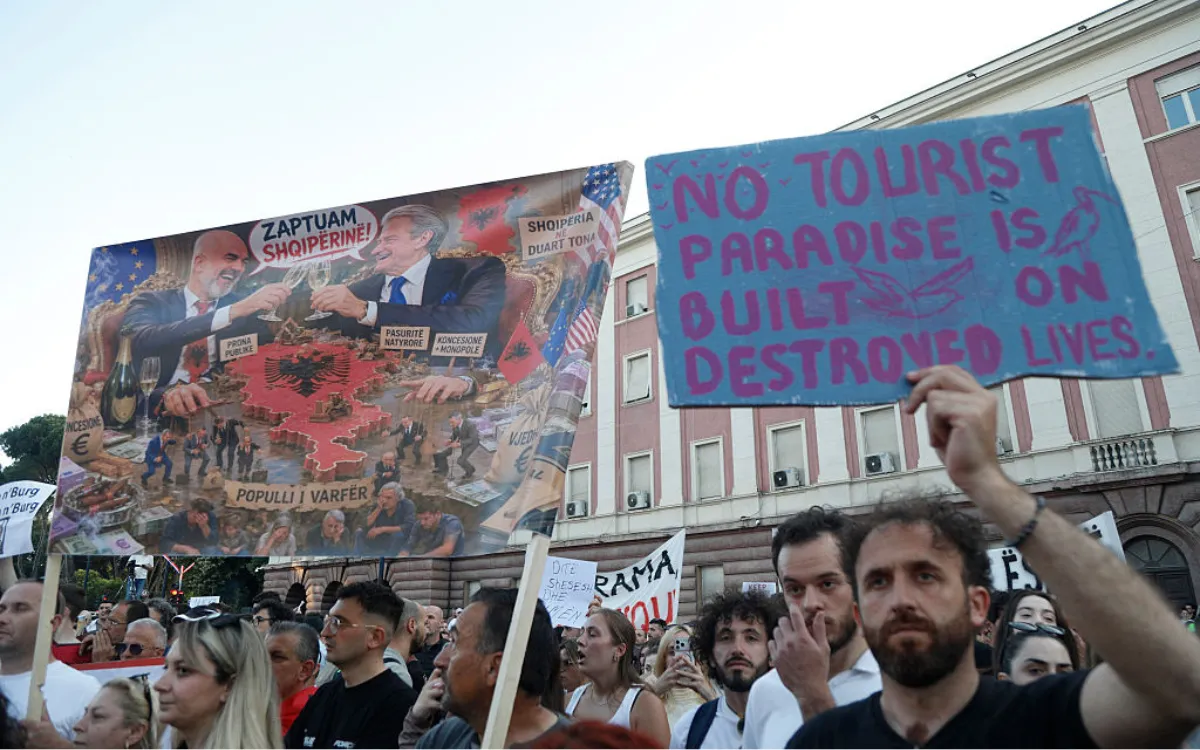
Not everyone is convinced by their plans. Sazan Island and the surrounding coastline lie within or near protected environmental areas, home to rare wildlife and fragile ecosystems. Environmental groups warn that the development could damage biodiversity, while critics have raised concerns about transparency and changes to land protections that enabled the project. The backlash has sparked mass protests and prompted an investigation by anti-corruption prosecutors into how it was approved.
Suddenly, all eyes are on Sazan Island—and thanks to modern technology, viewers can explore it themselves through panoramic 360 Street View images captured by Google.
Sazan Island's History
Sazan Island’s history is closely tied to its strategic position at the entrance to the Bay of Vlorë, where the Adriatic Sea meets the Ionian Sea. Known in ancient times as Sason, it was used by the Greeks and Romans and later controlled by the Byzantines, Venetians and Ottomans. Italy occupied the island in the 20th century before it was handed to Albania after World War II.
During the Cold War, communist Albania turned Sazan into a heavily fortified military base, closing it to civilians and filling it with bunkers, tunnels and submarine facilities. After the collapse of communism in the early 1990s, the military abandoned the island, leaving behind decaying structures. It remained largely untouched until opening to visitors in 2015 and is now known for its natural beauty and its Cold War ruins.
Sazan Island's Nature
Sazan Island is covered in Mediterranean vegetation, shaped by its warm climate and isolation. Dense shrubs, small trees and wild herbs dominate the landscape, with evergreen plants like oak and juniper common. Much of the island has been left undisturbed for decades, allowing nature to reclaim abandoned military sites, with greenery overtaking old buildings and hillsides.
The island and surrounding waters support a wide range of wildlife, particularly within the nearby Karaburun-Sazan Marine Park. Rare species such as the Mediterranean monk seal, along with dolphins, sea turtles and seabirds, rely on its coastal caves and seagrass habitats. This has made Sazan an important biodiversity hotspot—though there are growing concerns that the fragile ecosystem could be threatened by the planned luxury resort development.
Environmental Concerns
Environmental groups warn the project is already causing serious and potentially irreversible damage to a sensitive coastal ecosystem. Protection and Preservation of the Natural Environment in Albania (PPNEA) says heavy machinery has been operating in protected areas without permits or environmental assessments, damaging sand dunes and disrupting the Vjosa-Narta lagoon—home to more than 70 endangered species and more than 200 bird species. It has described the destruction as “unprecedented” and “the worst ever recorded in Albania’s protected areas.”
Anouk Puymartin of BirdLife Europe and Central Asia said: “A protected landscape of global importance is under attack.…Nature belongs to everyone, not a handful of investors.”
Meanwhile, PPNEA Director Aleksandr Trajçe warned: “We have never seen anything like this in Albania’s protected areas,” adding that by the time protections are restored, “very little will remain to be protected.”
Protests and an Investigation
Thousands have protested across Albania in recent weeks against the proposed resort, with demonstrations centered in Tirana, the nation's capital, and the southern coast. Protesters, some carrying signs reading “Albania is not for sale,” cite environmental concerns, lack of transparency and fears public land is being handed to wealthy investors. Tensions escalated after barbed wire blocked parts of the coastline, sparking clashes with security and prompting police to use water cannons as marches grew.
At the same time, anti-corruption prosecutors have opened an investigation into how the project was approved. The Albanian anti-corruption agency Special Structure Against Corruption and Organized Crime (SPAK) is examining 2024 changes to land and protected-area laws, along with related land deals and funding. The probe has intensified pressure on the government, with critics questioning whether regulations were altered to benefit a high-profile foreign-backed investment.