 1 week ago
29
1 week ago
29
A ballot measure that critics say could effectively outlaw hunting, fishing and livestock slaughter in Oregon is moving closer to voters.
If the measure qualifies for the ballot and wins voter approval, Oregon could become the first state to dramatically expand animal-cruelty laws banning activities that millions of Americans view as normal.
Supporters argue the proposal would reduce animal suffering, while critics warn it could disrupt agriculture, outdoor recreation and wildlife management across the state.
Oregon Measure Moves Closer to Ballot
Initiative Petition 28 (IP28) would expand Oregon's animal cruelty laws to cover a range of activities that are currently legal, including hunting and fishing.
Supporters say they have gathered more than 120,000 signatures—above the roughly 117,000 required to qualify for Oregon's November 2026 ballot—though election officials must still verify the total.
Petitioners have until July 2 to submit additional signatures; then officials will determine whether the initiative can formally proceed to voters.
What the Proposal Would Do
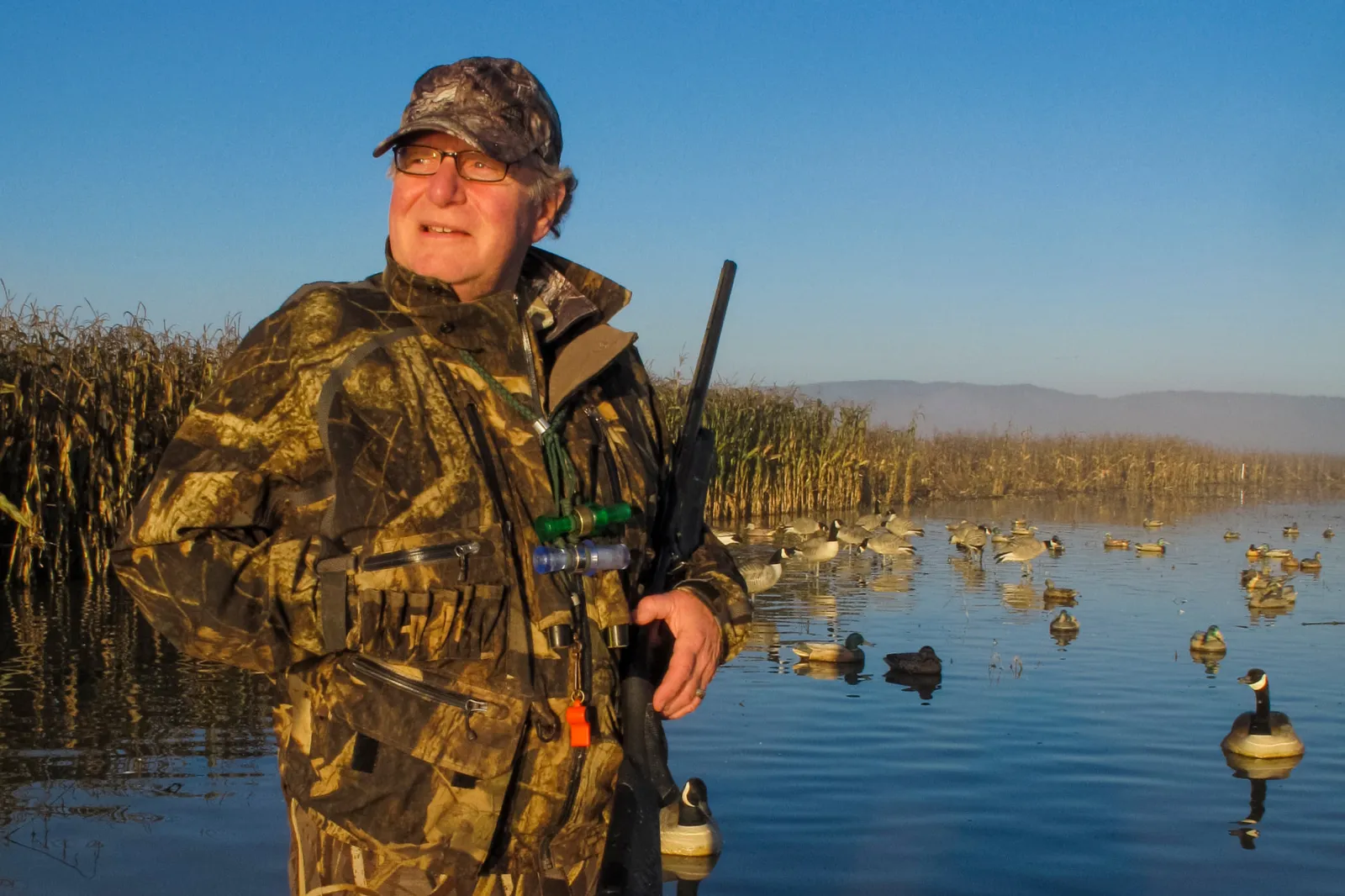
The initiative aims to scrap long-standing legal exemptions that allow activities such as:
- Hunting and fishing
- Slaughtering, neutering, or castrating livestock
- Completing certain farming and ranching practices, such as rodeos
- Conducting scientific research on animals
- Operating a commercial poultry business
Under IP28, these activities could be treated as animal cruelty offences, reshaping how animals are used in agriculture and outdoor recreation across the state.
Supporters argue that the measure is designed to reduce harm to animals and encourage alternatives that don’t involve their killing.
Oregon Live reported that the leader of the campaign, David Michelson, said, “We want people to actually recognize that [it] is a choice that we could make to shift away from killing animals, to treat all those other animals the same way we treat our companion animals.”
Strong Economic and Cultural Opposition
Despite the organisers’ progress, the proposal faces significant political hurdles in a state where hunting and fishing are so deeply embedded in both the culture and the economy.
Oregon is home to more than 330,000 licensed hunters and over 500,000 anglers, according to data from Oregon Hunters.
Farms and ranches employ more than 80,000 people, while hunting- and fishing-related recreation generates roughly $1.9 billion in economic activity.
Those numbers help explain why opponents believe the measure could face resistance from voters concerned about its impact on rural communities, outdoor recreation and agriculture.
Running Against the National Trend
If Oregon voters approve the proposal, the state would stand in stark contrast to a broader trend across the United States, where lawmakers have moved in the opposite direction by protecting, rather than restricting, hunting and fishing rights.
The National Conference of State Legislatures says that 24 states now protect the right to hunt and fish in their constitutions:
- Alabama
- Arkansas
- Florida
- Georgia
- Idaho
- Indiana
- Kansas
- Kentucky
- Louisiana
- Minnesota
- Mississippi
- Montana
- Nebraska
- North Carolina
- North Dakota
- Oklahoma
- South Carolina
- Tennessee
- Texas
- Utah
- Vermont
- Virginia
- Wisconsin
- Wyoming
Many of these constitutional amendments have been adopted since the late 1990s, often in response to concerns that animal rights campaigns could eventually limit access to hunting and fishing.
A Test Case for Animal Rights vs Tradition and Culture
The Oregon proposal now represents a stark test of competing visions for how animals are treated under U.S. law.
Activists are pushing for sweeping reforms that would significantly reduce or eliminate the killing of animals.
However, rural communities, conservation groups, and industry stakeholders are arguing that regulated hunting, fishing and livestock practices are essential for people's livelihoods, the state’s economy, and wildlife management.
With signature verification expected to happen in July, voters may soon decide whether Oregon becomes the first state to pursue such a far-reaching shift—or rejects it in favor of the growing national movement to protect hunting and fishing rights.