 4 days ago
22
4 days ago
22
The Trump administration and Ohio officials have launched a crackdown on "blatant" food stamp benefit fraud, accusing 19 retailers across the state of illegally exchanging SNAP benefits for cash, alcohol, tobacco and other prohibited items.
The enforcement action comes days after Ohio lawmakers approved new anti-fraud measures and as the Trump administration intensifies scrutiny of the federal food assistance program that serves more than 40 million Americans.
The crackdown is part of a broader effort to tighten oversight of SNAP, a cornerstone safety-net program for low-income households. The push has fueled debate over fraud prevention, eligibility rules, funding reductions and the collection of recipient data.
The U.S. Department of Agriculture's (USDA) Food and Nutrition Service and the Ohio Department of Public Safety's Ohio Investigative Unit (OIU) announced Friday that they had issued formal violations to 19 SNAP-authorized retailers in Cleveland, Cincinnati and Columbus.
Among the 19 retailers, according to the USDA, there are a Cleveland convenience store trafficking more than $14,000 in SNAP benefits; a Columbus retailer exchanging more than $800 in benefits for $300 in cash and trading SNAP benefits for a glass bong and bottles of wine; and a Columbus retailer accepting SNAP benefits for beer.
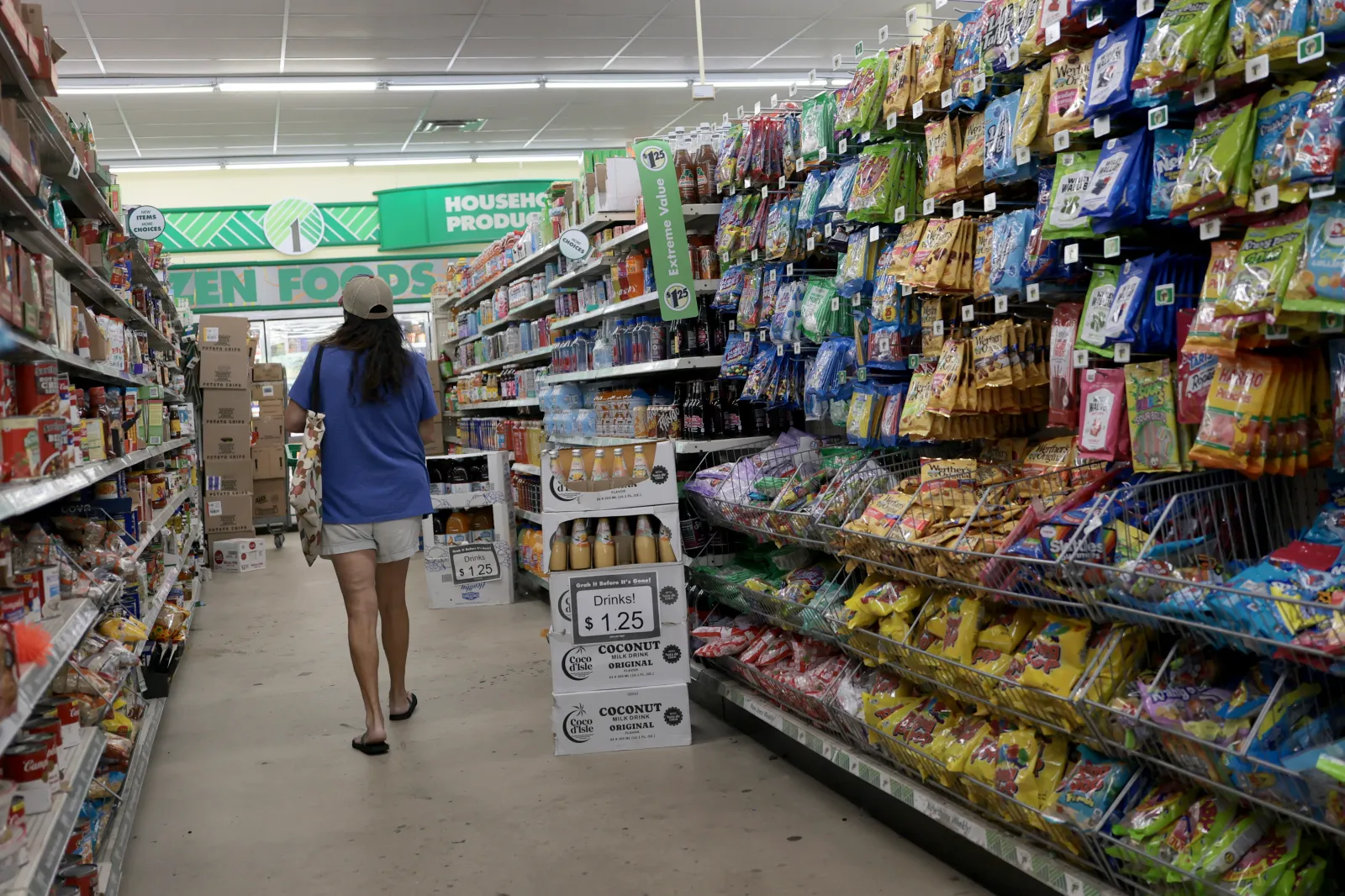
The retailers were not identified publicly. The USDA says that businesses found to have violated SNAP rules can face temporary or permanent disqualification from the program, as well as substantial financial penalties.
"Not only will these retailers face repercussions from the Food and Nutrition Administration, but OIU has taken further action as well, both administratively and criminally," OIU Senior Enforcement Commander Greg Croft said in a statement.
"Because several of these businesses also held liquor permits, it allowed us to hold them accountable on multiple fronts by issuing administrative citations against their permits for the illegal use of benefits."
Ohio Moves To Strengthen Fraud Prevention
The Buckeye State has fallen in line with the Trump administration when it comes to clamping down on SNAP fraud.
Last week, the Republican-led Ohio House passed bipartisan legislation known as HB 163 that would begin the rollout of chip-enabled Electronic Benefit Transfer (EBT) cards used to access SNAP benefits.
Supporters say the technology would make it more difficult for criminals to steal recipients' card information through skimming and cloning schemes.
Several states, including Alabama and California, have already introduced chip-enabled EBT cards, while others are in the process of modernizing their systems.
How Widespread Is SNAP Fraud?
The Ohio enforcement action lands amid a wider national debate over the scale of SNAP fraud and the federal government's response.
SNAP served an average of 41.7 million Americans each month during fiscal year 2024, according to federal data, representing roughly 12.3 percent of the U.S. population. Participation has more than doubled since 2000, growing from about 17 million recipients to more than 42 million, according to data compiled by the American Enterprise Institute.
The Trump administration has argued the program is vulnerable to fraud and abuse, though available federal data suggests confirmed rates of fraudulent activity remain relatively low.
Since returning to office, President Donald Trump has pursued significant changes to the program, including stricter oversight measures, eligibility reviews and anti-fraud initiatives.
Those efforts coincide with broader attempts to reduce federal SNAP spending. The program received $101.7 billion in federal funding during fiscal year 2025, down from a pandemic-era peak of $135.8 billion in 2021.
The administration's One Big Beautiful Bill Act is also expected to further reduce federal costs by requiring states to cover a portion of SNAP expenses beginning in 2028.
Agriculture Secretary Brooke Rollins has repeatedly argued that fraud and improper enrollment remain significant challenges.
"As of just a couple of days ago, we now have moved 4.3 million Americans off of the food stamp program," Rollins told Fox Business in April.
"A lot of that is fraud, a lot is people taking the program that shouldn't have been."
Available data, however, suggests SNAP participation was already declining following policy changes and funding reductions introduced by the administration.
Rollins has also claimed that 14,000 SNAP recipients in one unnamed state owned luxury vehicles, including Ferraris, Bentleys and Teslas, though she did not identify the state or provide supporting data.
Critics argue the administration has overstated the scale of SNAP fraud and have raised concerns that expanded data-collection efforts could compromise recipient privacy.
In 2025, the administration sought detailed information from states on SNAP recipients, including Social Security numbers, dates of birth and immigration status.
While many Republican-led states complied, several Democratic-led states resisted the request, arguing it could violate recipients' privacy rights.
Trump has portrayed their refusal as political and aimed at covering up improperly awarded benefits.
The last report published by the USDA on SNAP fraud in 2021 found that about 1.6 percent of benefits were stolen from recipients’ accounts between 2015 and 2017.
SNAP benefits theft is also a significant and growing issue. Reported SNAP benefit thefts rose from 444,553 in the fourth quarter of 2024 to 691,604 in the first quarter of 2025, a 55 percent increase in a single quarter. Nearly 2 million SNAP theft incidents were reported to the USDA between the second quarter of 2023 and 2025.
New York recorded the highest number of reported thefts at 33,468. The state was followed closely by:
- California: 32,258
- Alabama: 26,919
- Oklahoma: 21,553
- Ohio: 18,476.
Congress Considers New Anti-Fraud Measures
Lawmakers in Washington have also proposed new safeguards aimed at reducing SNAP fraud.
In March, U.S. Senators Ron Wyden, D-Oregon, Bill Cassidy, R-Louisiana, and John Fetterman, D-Pennsylvania, introduced a bipartisan, bicameral bill, the Enhanced Cybersecurity for SNAP Act.
The legislation would require SNAP cards to adopt anti-fraud technology designed to prevent cloning and better secure online transactions.
Under the proposal, and with funding from the USDA, states would begin issuing chip-enabled cards within two years of updated federal regulations and eventually phase out magnetic-stripe cards altogether.
The bill would also create a USDA grant program to help smaller retailers, farmers markets and food-access programs upgrade payment systems capable of accepting the new cards.
The measure has been stalling since then and has not yet passed the Senate.
Separately, GOP Representative Dave Taylor of Ohio introduced the SNAP Fraud Reporting Act in March.
The legislation would require states to submit data on SNAP fraud covering the previous five fiscal years and continue providing annual reports to the USDA moving forward.