
 1 week ago
22
1 week ago
22
Researchers have unveiled a breakthrough showing that a subset of colorectal tumors can be eliminated using immunotherapy alone, without chemotherapy or surgery. The finding signals a potential shift away from invasive treatment for patients whose cancers respond strongly to immune‑based therapies.
Those diagnosed with specific genetic forms of colorectal cancer could soon face fewer surgeries, fewer complications, and more personalized treatment options as clinical trials expand.
Early studies highlighted in recent oncology research show that PD‑1 blockade immunotherapy has produced complete clinical remission in some patients with locally advanced rectal cancer — a result that, if replicated in larger trials, could redefine standard care. This development arrives as colorectal cancer rates rise among younger adults and as precision‑medicine approaches continue to reshape treatment.
What to Know about Colorectal Cancer
Colorectal cancer begins when abnormal cells grow in the colon or rectum, often starting as small, noncancerous polyps.
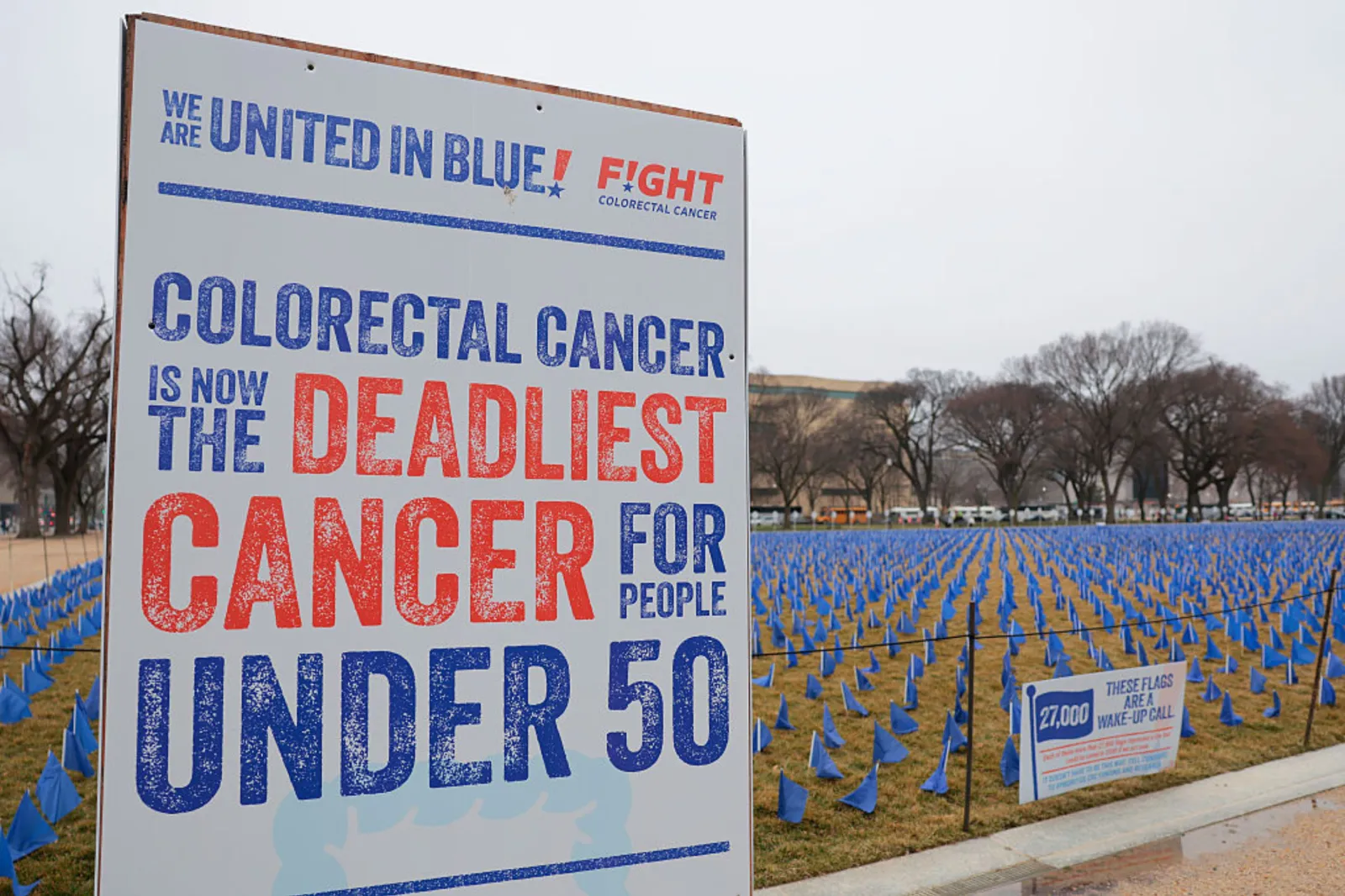
According to the Mayo Clinic, colon cancer commonly affects but isn't limited to older adults, and most cases begin as polyps that are usually harmless, but some can gradually develop into colon cancer. Polyps often cause no symptoms, which is why screening is essential.
If cancer develops, treatment options include surgery, radiation, chemotherapy, targeted therapy, and immunotherapy. Colorectal cancer is sometimes referred to as such because it encompasses both colon and rectal cancers.
What to Know About the Latest Colorectal Cancer Breakthrough
Recent clinical research sponsored by Memorial Sloan Kettering Cancer Center has shown that immunotherapy, particularly PD‑1 inhibitors, can trigger complete tumor remission in certain colorectal cancers with deficient mismatch repair (dMMR) or high microsatellite instability (MSI‑H). In some small but groundbreaking studies, patients with locally advanced rectal cancer experienced full clinical responses without chemotherapy, radiation, or surgery.
Surgery for rectal cancer can involve life‑altering consequences, including colostomies and long‑term bowel dysfunction. If larger trials confirm these results, immunotherapy‑only treatment could become a new standard for select patients.
Beyond immunotherapy, other targeted treatments are advancing rapidly.
- The SUNLIGHT trial showed improved survival using a combination of trifluridine‑tipiracil and bevacizumab.
- The FRESCO‑2 trial demonstrated benefits from fruquintinib in refractory metastatic disease.
- For HER2‑positive cancers, combinations such as tucatinib and trastuzumab are emerging as effective options.
What to Know About Colorectal Cancer Screening
Screening is the most effective way to prevent colorectal cancer. The Mayo Clinic notes that doctors recommend screening for people at average risk begin around age 45, and earlier for those with a family history or other risk factors. Screening detects polyps before they become cancerous and allows for early removal.
Several screening options exist, including colonoscopy, stool‑based tests such as the fecal immunochemical test (FIT), and — in the U.S. — newly approved blood‑based tests that offer a noninvasive alternative. Early detection dramatically improves outcomes.
What Are the Signs and Symptoms of Colorectal Cancer?
Many people with colorectal cancer experience no symptoms in the early stages. When symptoms do appear, they can vary depending on tumor size and location. According to the Mayo Clinic, symptoms may include:
- A change in bowel habits, including diarrhea or constipation
- Rectal bleeding or blood in the stool
- Abdominal discomfort such as cramps, gas, or pain
- A feeling that the bowel does not empty completely
- Unexplained weight loss
- Weakness or fatigue
Anyone experiencing persistent symptoms should consult a healthcare professional.