
 1 week ago
24
1 week ago
24
American Airlines has joined a growing list of global carriers scaling back services as surging jet fuel prices—linked to disruption in oil markets during the ongoing Iran conflict—continue to reshape the industry.
The airline confirmed to CBS News that it is temporarily trimming "select routes,” particularly those connected to California, as part of broader efforts to manage rising fuel costs.
But American Airlines isn’t alone in making changes. Other carriers have also adjusted routes or raised prices in response to higher fuel costs.
The changes reflect mounting pressure on airlines and signal potential knock-on effects for travellers, including fewer direct flights and potentially higher fares.
List of Routes Cut By US Airlines
American Airlines
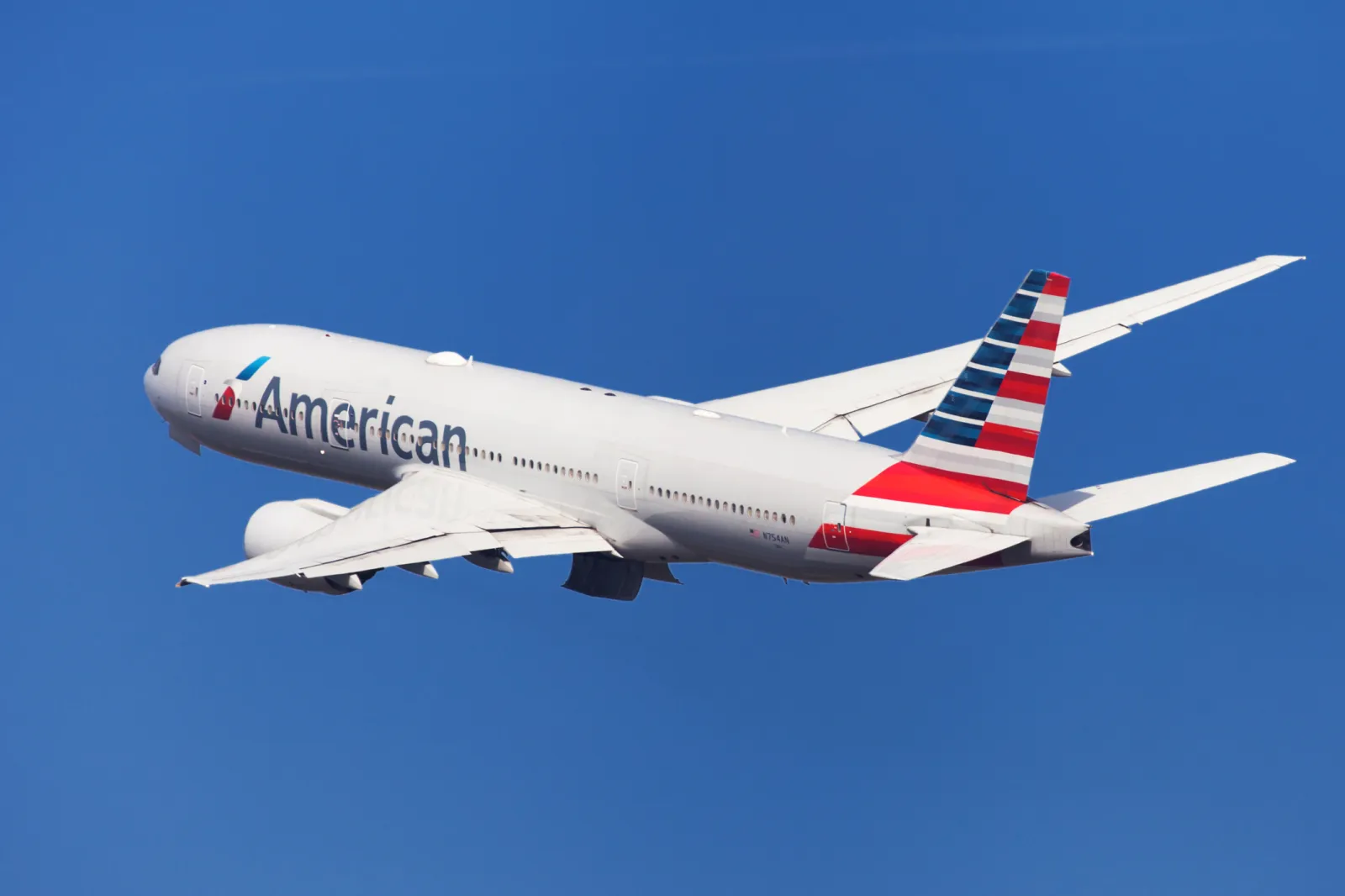
American Airlines told CBS that it will suspend six domestic routes during August and September, and confirmed it was “not suspending any routes indefinitely as part of this adjustment.”
The six affected American airline routes are:
- Los Angeles to Cleveland
- Los Angeles to Columbus
- Los Angeles to Pittsburgh
- Los Angeles to Washington Dulles
- Charlotte to Ontario
- Charlotte to Sacramento
The airline said that travellers booked onto an impacted flight can either be rebooked onto an alternative flight or get a refund.
Air Canada
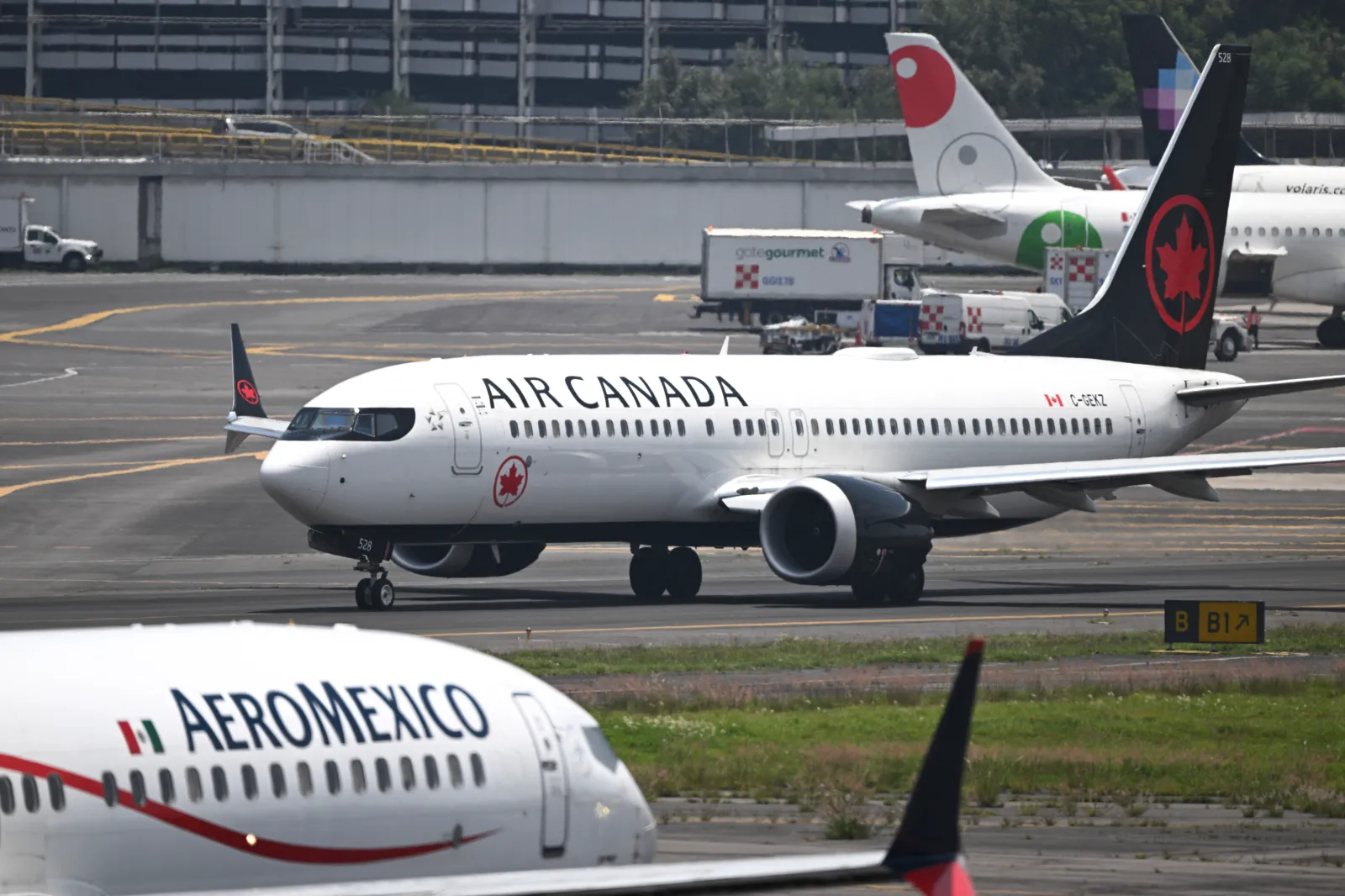
Air Canada confirmed it’s temporarily cutting routes, from 1 June, citing rising jet fuel costs: “Jet fuel prices have doubled since the start of the Iran conflict, affecting some lower profitability routes and flights which now are no longer economically feasible.”
- Salt Lake City to Toronto: Plans to resume in 2027.
- JFK to Toronto: Plans to resume on October 25, 2026
- JFK to Montreal: Plans to resume on October 25, 2026
Delta
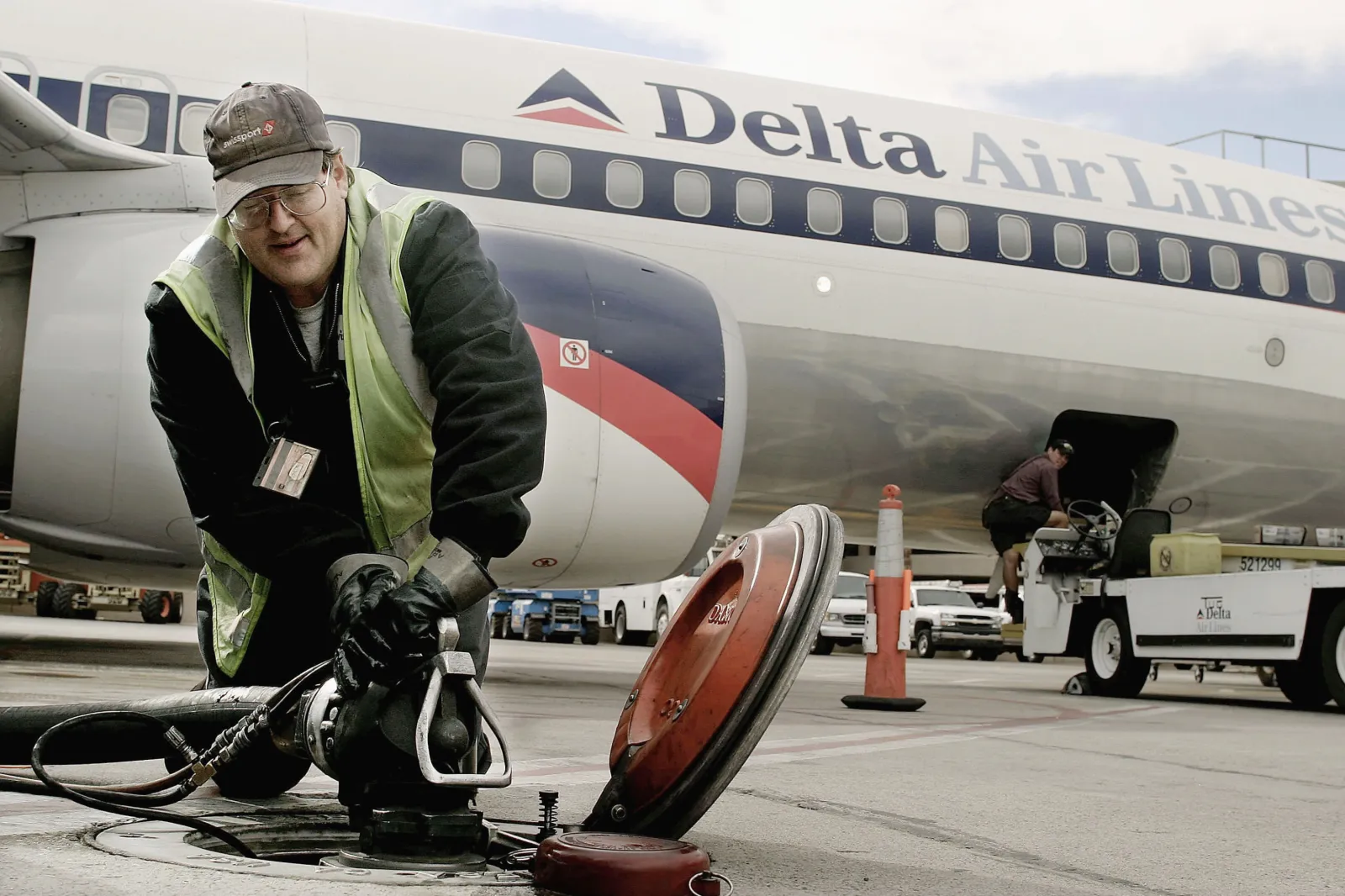
CBS lists four Delta reductions in the same broader piece about Iran-war fuel costs, but Delta told CBS the decision was based on a “variety of factors,” including operating costs and broader operational considerations, not just fuel prices:
- New York JFK to Memphis, from 7 June to 7 September 2026
- New York JFK to St. Louis, from 7 June to 7 September 2026
- Detroit to Reykjavik, until 6 July 2026
- Boston to Nassau, from 18 July to 5 September 2026
United Airlines
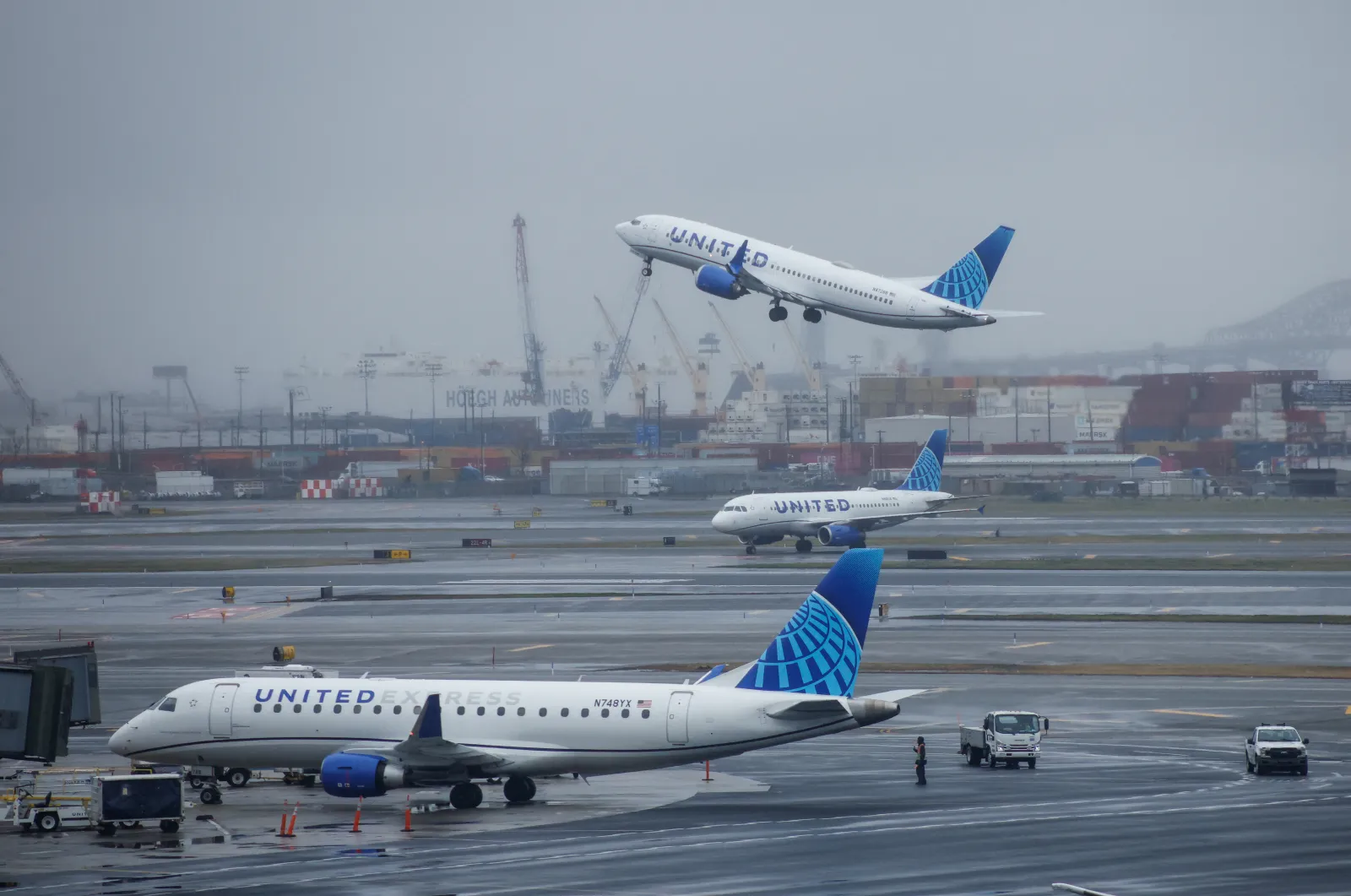
Reuters reports that United is cutting about five percent of its planned capacity as it prepares for prolonged high jet fuel costs linked to the Iran war.
Reuters said that includes:
- Roughly 3 percent of its off-peak flights, including some midweek, on Saturday, and overnight
- About 1 percent of flights that operate out of Chicago O’Hare
- Continued suspension of service to Tel Aviv and Dubai
Why Are Airlines Cutting Routes?
The primary driver behind these cuts is the sharp rise in jet fuel prices, which has been linked to the ongoing conflict involving Iran and its impact on global oil supplies.
Industry analysts, cited by CBS, said jet fuel typically accounts for around 25 percent to 30 percent of an airline’s overall operating costs, making airlines particularly sensitive to price spikes.
As fuel costs increase, some routes—especially those with thinner profit margins—become less economically viable. Airlines are responding in several ways:
- Cutting or suspending less profitable routes
- Increasing ticket prices or adding fuel surcharges
- Raising ancillary fees, such as baggage costs
The broader aviation sector has been grappling with similar pressures.
Rising oil prices tied to geopolitical instability have strained profitability, forcing carriers worldwide to reassess their route networks and scheduling strategies.
When Will These Flight Routes Resume?
Airlines have said many of the affected routes are temporary adjustments, though timelines vary widely, with some services expected to resume later in the summer or fall, and others suspended for longer periods.
Based on current reporting:
- American Airlines: Cuts will run from August to September
- Air Canada: Some flights are suspended until October 25, some until 2027
- Delta: Routes will resume in July and September
- United: The full schedule is expected to resume “in the fall”
Whether services resume as planned may depend on how fuel prices evolve in the coming months.
If jet fuel costs stabilise or fall, airlines are more likely to restore routes. However, if high prices persist, further adjustments across the industry remain possible.
What It Means for Travellers
For passengers, the route cuts may translate into:
- Fewer direct flight options
- Longer travel times due to connections
- Potentially higher ticket prices
These impacts come as airlines attempt to balance profitability with maintaining widespread service networks during a period of economic and geopolitical uncertainty.