
 8 hours ago
14
8 hours ago
14
The quickly-escalating trade war between the U.S. and Canada will impact lumber and softwood imports and could end up squeezing already-struggling American homebuilders and buyers, experts say.
Late last week, talks between the two countries failed to stop steep new tariffs on $20 billion worth of Canadian exports to the U.S. ordered by the Trump administration last month, prompting Canada to retaliate with tariffs as high as 50 percent on a range of goods, starting on September 8.
Among the Canadian goods hit by the new round of tariffs are hockey sticks, certain items of clothing, wines, some dairy products, and building materials such as cement and plywood. Thirty-six different types of plywood are impacted by Section 338 duties imposed by the Trump administration.
Canadian lumber is exempt from these most recent 50 percent tariffs, but already receives about a 35 percent tariff from previous levies still in place.

“The new tariff includes home furnishings like cabinets and other home construction inputs like plywood and cement, so there is a smaller impact from the most recent round of tit-for-tat tariff announcements,” Joel Berner, senior economist at Realtor.com told Newsweek.
“The real threat is the uncertainty about what’s next in tariff developments,” he added.
These tariffs are putting additional pressure on the U.S. construction sector, which has faced rising costs in recent years and diminishing returns as demand for housing dwindles across the country due to the ongoing affordability crisis.
The National Association of Home Builders (NAHB) has warned that the new tariffs will increase housing costs and slow down construction - hurting both the homebuilding sector and homebuyers.
“Tariffs are adding thousands of dollars to the cost of building a home at the exact moment many people are already stretched thin,” Redfin’s chief economist Daryl Fairweather told Newsweek, adding that the trade war is only making an already bad situation worse.
“Mortgage rates still matter more than trade policy; so if the Fed gives buyers a break on rates, that would overshadow what tariffs are doing to lumber prices,” Fairweather added.
What Impact Do Tariffs Have on Homebuilding?
The cost of building materials has risen by 40 percent since December 2020, much faster than the rate of inflation, according to the NAHB. Tariffs imposed by the Trump administration last year have brought prices up, and any further increase would exacerbate homebuilders’ struggles.
“Prices for building materials, excluding energy, were 5.0 percent higher in July compared to a year ago. This was the highest year-over-year change since December 2022,” a spokesperson for NAHB told Newsweek in a written statement.
They added: “While not all of this price increase is directly related to the Canada-US trade relations, we have noticed higher price increases for metal-based products like siding and trim
“The U.S. imports a significant amount of aluminum and steel from Canada, which was not exempt from the Section 232’s 50 percent tariff put in place last year. These tariffs are having impacts on derivative home building products that were reliant on imports of aluminum and steel.
“Additionally, the 10 percent lumber tariff and 25 percent on kitchen cabinets has increased costs for builders. Canadian softwood lumber faces a tariff of 45 percent just to cross the border since last November.”
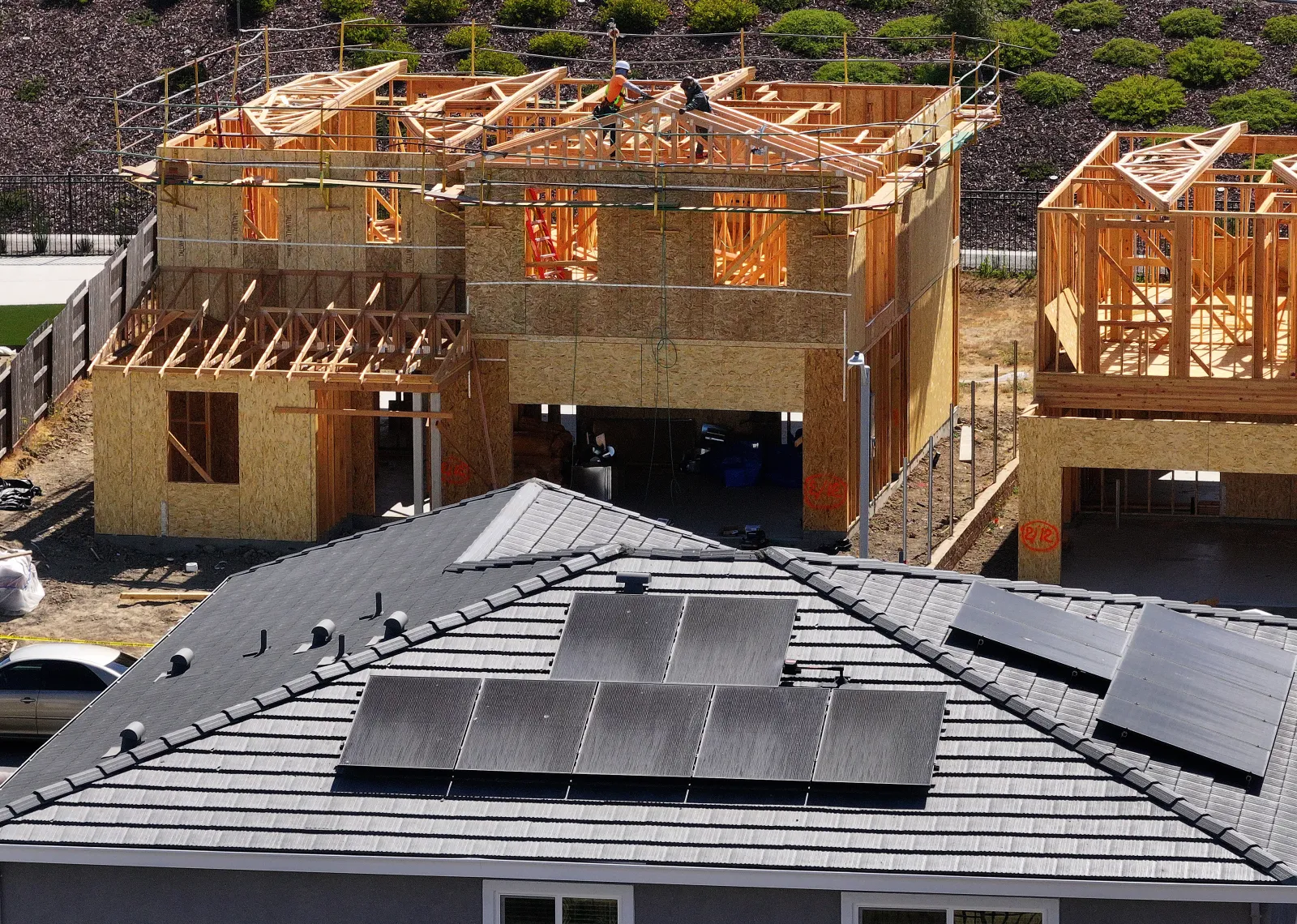
Lumber imports into the U.S. are on pace for their lowest level since 2014 in terms of quantity imported to the U.S., according to NAHB. Based on the latest 338 tariffs, the impacts on homebuilding directly “will be seen in plywood, veneer and engineered wood products,” NAHB said, adding: “While Canada might not have a large share of imports, they are still an important supplier to the U.S. of some of these home building materials.”
Cost increases could sway developers from building new homes, or as many as they would have would materials have been cheaper - with disastrous consequences for the country’s housing market.
“This leads builders to cut back on housing starts as they have already, making new homes more scarce and keeping their prices elevated,” Berner said.
“We estimate the housing shortage in the US at over 4 million homes, and the only way to combat it is to build more, and these tariffs along with the uncertainty they generate make that more difficult for builders who don't know how to plan their projects accordingly,” he added.
“Years of underbuilding compounds on top of a shortage we already haven’t dug out of,” Fairweather noted. “Every home that doesn’t get built this year translates to one more household competing for existing inventory next year.”
Can Domestic Suppliers Replace Canadian Materials?
The U.S. cannot quickly replace Canadian materials, experts say.
“U.S. mills don’t have the capacity to make up a third of the country’s lumber supply overnight, so in the near term, we’ll just end up paying more,” Fairweather said. “Capacity like that takes years and capital to build, and mills won’t even invest in it if they think the tariffs may go away soon.”
Fairweather also explained it would realistically take “several years” before domestic supply meaningfully catches up with the disruptions caused by the new tariffs.
She said: “If it’s able to catch up at all. Markets do adapt and buyers can find workarounds, but that’s slow grind and it means higher costs are the base case for the foreseeable future.”
Who Will Be Impacted By the New Tariffs?
First-time homebuyers, who have struggled with reduced affordability across the U.S. since the pandemic, “will probably take the biggest hit” from the new tariffs on Canadian imports, according to Fairweather.
That is because “they’re the ones counting on that new construction inventory to get their foot in the door,” she explained.
Existing homeowners who are locked into a low mortgage rate are “more insulated” from new tariffs, while renovators “will absorb the brunt of the cost increases in the short term,” Fairweather noted.
So-called “move-up buyers” (a homeowner buying a new house that is bigger and more expensive than the previous one) will also be impacted “because they are the ones looking for bigger, better, newer homes, and when they don’t move, that means they stay put in homes that would be appealing to first time buyers looking for an older, starter home,” Fairweather said.
Looking at the bigger picture, the tariffs will not have the same impact across the country.
Fast-growing markets in the South and West, “where new construction is more prominent,” will be hit the hardest, according to Fairweather, while “slower-growing metros that lean on existing-home resales” will feel less of an impact.
“Anywhere builders are the main source of new inventory will be more exposed to these rising material costs,” Fairweather added.
But the Midwest and Northeast will also be affected, as they are the regions where construction is needed most acutely.
“New construction levels are lower in the Northeast and Midwest and the price premiums for new construction homes there are higher. These signal that new construction activity is most needed in these regions,” Berner explained.
Contact Newsweek editors on this story: Matthew Robinson and Cristina Diciu.