 2 days ago
14
2 days ago
14
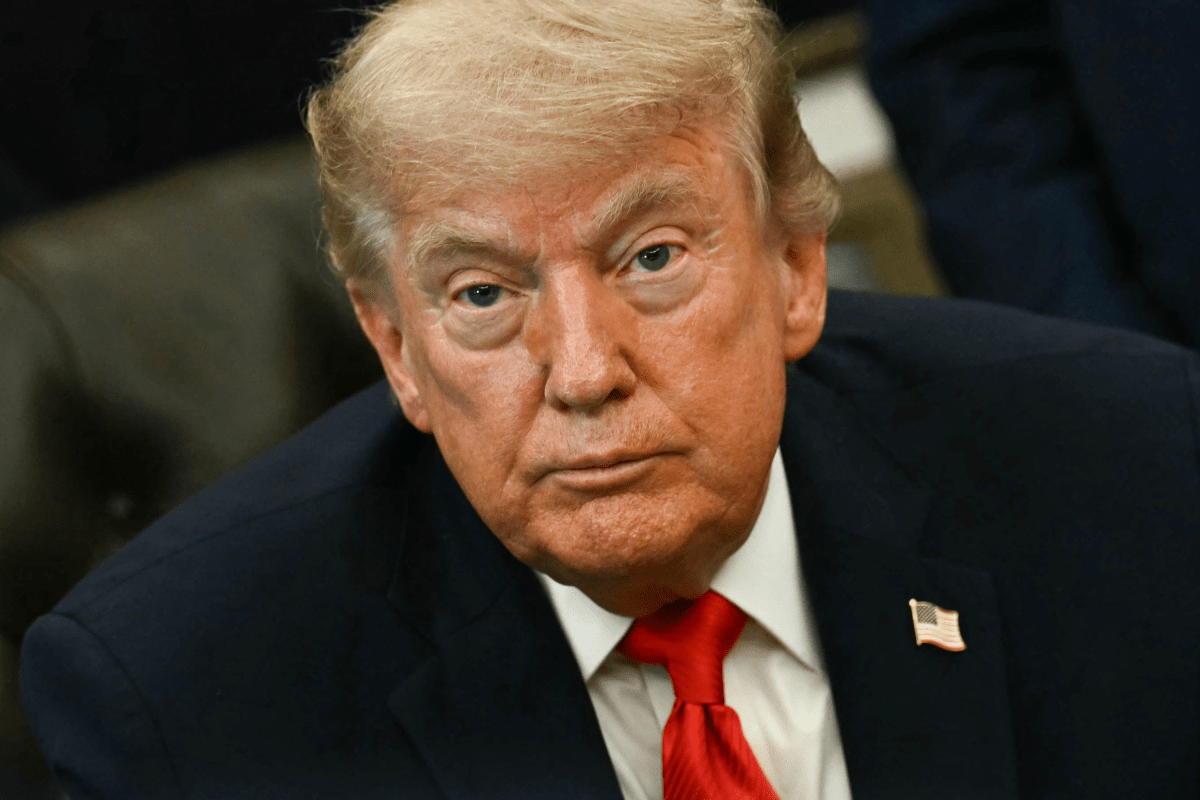
President Donald Trump said he "loves the inflation" after new data showed U.S. prices rose at their fastest pace in three years last month. But, for homebuyers, the latest figures could mean a longer wait for lower mortgage rates.
Inflation accelerated to 4.2 percent in May, up from 3.8 percent in April and the highest reading since 2023. Because the report arrives just days before the Federal Reserve's next policy meeting, economists say it significantly reduces the chances of an interest-rate cut in the near term.
That poses a challenge for the housing market, which has shown surprising resilience despite years of affordability pressures. If inflation remains stubbornly high, economists warn that mortgage rates could stay elevated for longer, putting further strain on buyers already grappling with high home prices and borrowing costs.
In fact, rate cuts are becoming increasingly more unlikely this year—suggesting that mortgage rates, which have inched up since the start of the Iran war, will also probably not come down significantly.
"The Fed’s next move may need to be a hike, and not a cut as many had expected coming into this year," Chris Zaccarelli, chief investment officer for Northlight Asset Management, said in a statement shared with Newsweek.
Inflation Climbs as Energy Costs Surge
Higher energy prices were among the biggest contributors to May's inflation increase, reflecting ongoing disruptions in global oil markets linked to the conflict involving Iran and continued uncertainty around shipping through the Strait of Hormuz.
Energy prices rose by 3.9 percent in May following a 3.8 percent increase in April, according to the latest data by U.S. Labor Department’s Bureau of Labor Statistics (BLS).
Americans have felt the impact most visibly at the gas pump, with the national average gasoline price reaching $4.13 per gallon on Thursday.
Other household expenses also continued to rise:
- shelter costs increased 3.4 percent year-over-year in May
- food prices rose 0.3 percent during the month.
At the same time, real wages declined by 0.1 percent in May, meaning earnings failed to keep pace with rising prices.
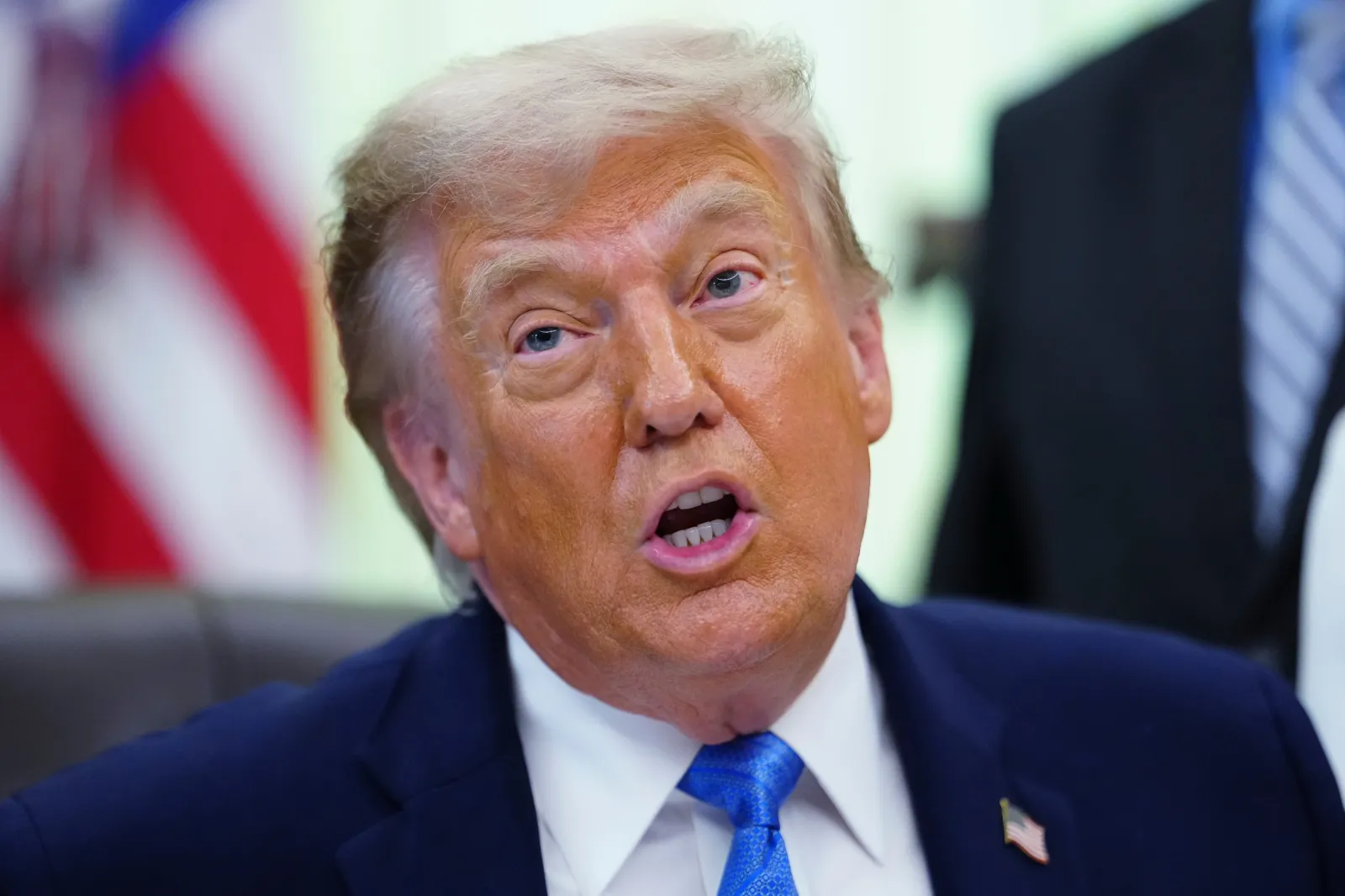
Despite campaigning in 2024 on lowering costs for American consumers, Trump welcomed the latest inflation report.
"I love it. The numbers were great. You know what I really love? I love the inflation," he told reporters on Wednesday after being asked about the latest government data on inflation.
The president added that he greenlit a plan to secretly move oil tankers through the Strait of Hormuz, a move that should lower gas prices in the U.S.
"When it’s over, you will see oil drop to where it was before. It’s coming down. It’s going to come down like a rock," he said, talking about the conflict in the Middle East in general.
What It Means for the Federal Reserve
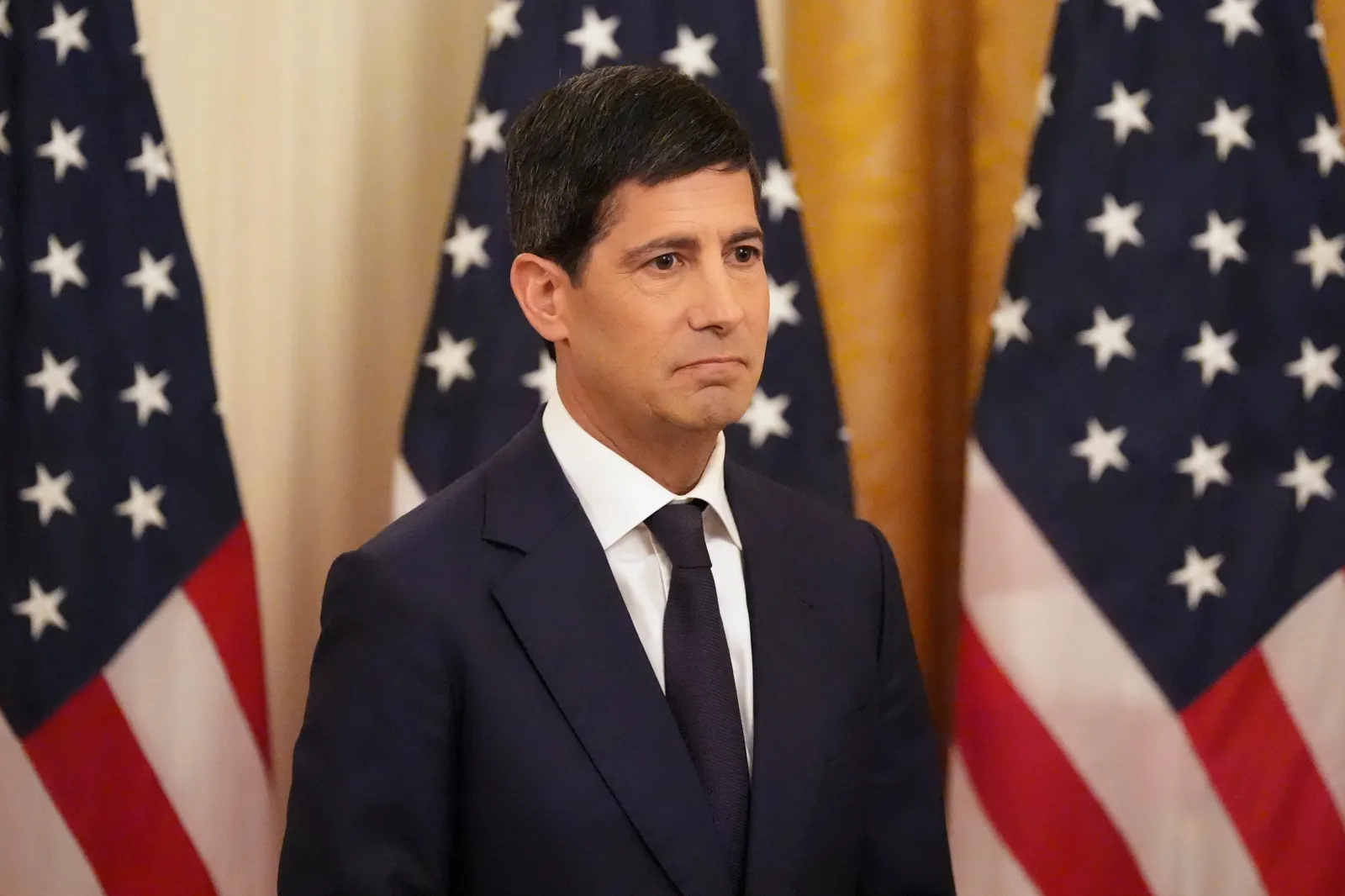
The inflation report comes ahead of the Federal Reserve's first policy meeting under Chairman Kevin Warsh, who succeeded Jerome Powell last month.
A majority of experts expect the central bank to leave interest rates unchanged next week. However, hotter inflation has reduced expectations for rate cuts later this year and, in some cases, prompted discussions about whether additional tightening could eventually be necessary.
Jeffrey Roach, chief economist at LPL Financial, said in a statement shared with Newsweek that the duration of the Middle East conflict could prove critical.
"Now that the Iran crisis has extended into June, we have begun to see broader impacts across several categories of consumer prices," Roach said.
"If the Strait of Hormuz remains disrupted through the Labor Day weekend, we would expect the energy shock to affect additional sectors and heighten uncertainty about the future path of monetary policy," Roach added.
"Rate expectations could be further upended if this crisis lasts throughout the summer."
Still, some economists caution that the outlook could change quickly if geopolitical tensions ease.
Zaccarelli said inflation could gradually moderate if conditions in the Middle East stabilize and shipping routes normalize.
"If things stay as they are currently," he said, "then all bets are off."
Resilient Housing Market Might Reach Breaking Point
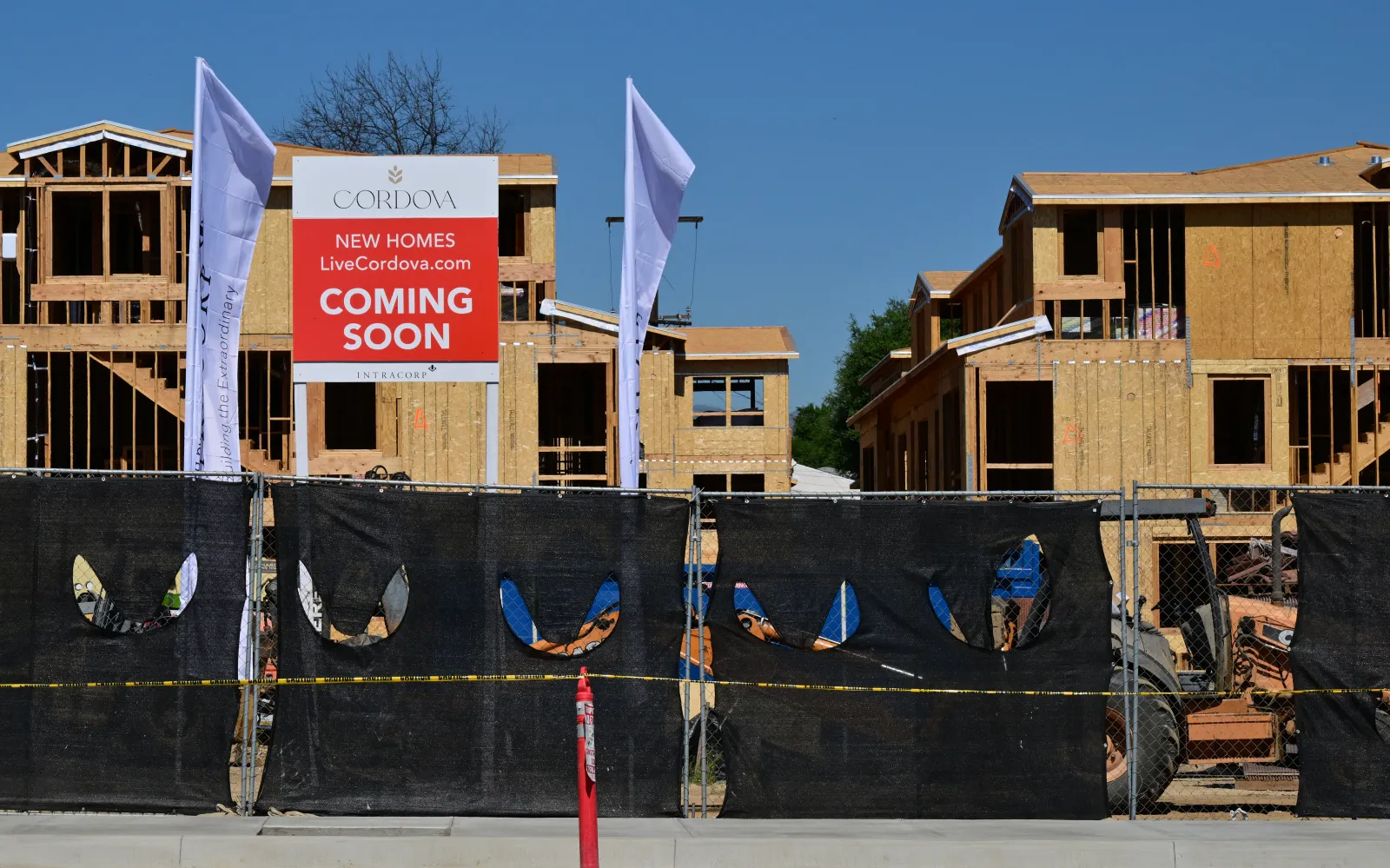
The U.S. housing market has proven more resilient than expected to recent increases in the cost of living, but, as inflation appears to be set on an upward path, experts warn that homebuyers might not "outrun" it for much longer.
While recent increases in mortgage rates have undoubtedly created hurdles for prospective homebuyers, "buyers and sellers are recalibrating and responding to the uncertainty in kind," Realtor.com Economist Jiayi Xu said in a statement shared with Newsweek.
"Sellers are adjusting prices to attract demand, with the median asking price posting its steepest year-over-year decline in Realtor.com data since 2017.
"Buyers, in turn, are seizing the opportunity, pushing pending sales up for a sixth consecutive month. The market has proven more resilient than many anticipated—existing home sales climbed to a five-month high in May," she added.
Why Mortgage Rates Matter
Mortgage rates do not move directly with the federal funds rate, but inflation expectations play a major role in determining borrowing costs throughout the economy.
If investors expect inflation to remain elevated, mortgage rates often stay higher as well.
That creates a difficult environment for prospective buyers, many of whom are already struggling with affordability.
Despite these positive figures coming from the U.S. housing market, "combined headwinds of elevated mortgage rates—likely to stay in the 6.5 percent range—and eroding real purchasing power will be a drag on demand heading into summer," Realtor.com senior economist Jake Krimmel said in a statement shared with Newsweek.
"Housing market activity has beaten the past two years and defied the low expectations that cropped up when the Iran conflict began.
"But whether the housing market and the American consumer can outrun inflation depends on whether it stays contained," Krimmel added.
Xu echoed that concern, warning that households could face growing pressure if wages continue to lag behind rising prices.
"If inflation continues to outpace wage growth, eroding purchasing power alongside still-elevated mortgage rates, household budgets will come under increasing pressure, posing a meaningful drag on housing demand heading into the summer," Xu said.