
 1 week ago
34
1 week ago
34
In the world of beauty and wellness, having a good skin regimen is key to maintaining a clear and smooth complexion. From serums, oils acids and face masks, there is an abundance of products that promise to fix your skin barrier, even out skin tone and maybe even take years off your looks.
As hard as people try to perfect their skincare routine, that can only go so far. In fact, certain everyday habits may be hindering progress and dehydrating skin without you even realizing, Dr. Christopher Bunick, a dermatology physician-scientist at Yale School of Medicine, told Newsweek.
So, before you go out and buy that new product on the market, find out what daily habits could be silently drying out your skin.
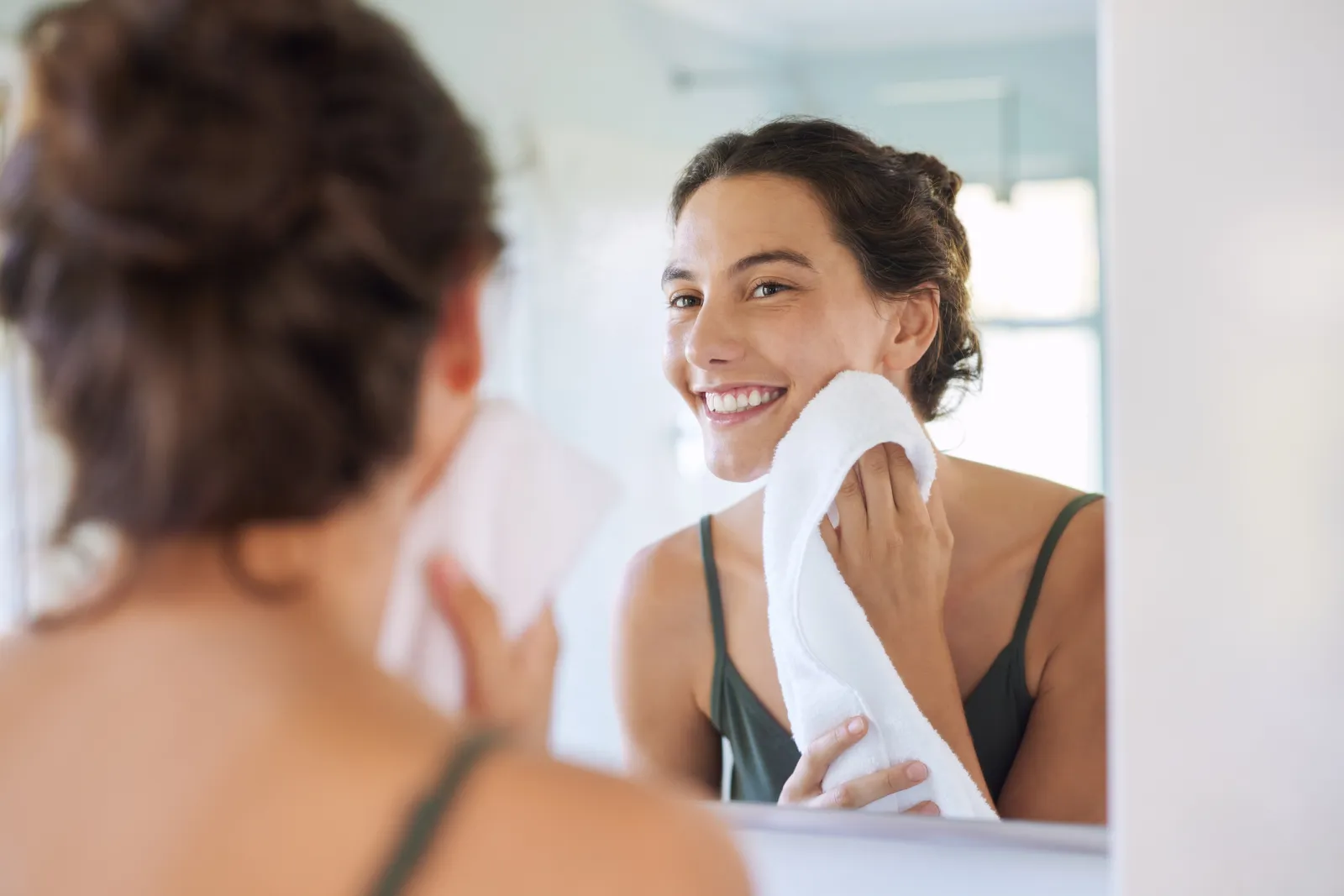
Showering For Too Long
You might think that showering for longer means more hydration, right? Wrong.
Bunick explains that lengthy showers can actually strip the natural protective lipids from the skin. Think of it as the excess water taking moisture out of the skin, rather than seeping into it. This in turn can wash away all those natural oils that skin requires to appear plump and hydrated.
“Many patients are unaware that the types of soaps and other products they use on their skin can add to drying and irritation of the skin,” Bunick said. “Finding the correct products is not always easy, but one of the hardest to correct is shower time. People love their long showers.”
Of course, showering regularly is still advised, but perhaps not for extended periods of time.
Taking Hot Showers
Sometimes there is nothing better than a hot shower, especially when it feels cold outside. However, that may be holding you back from the perfect glowing complexion.
Bunick told Newsweek: “Another habit that may be dehydrating your skin is having really hot showers. Just like showering too often, this can also strip the natural protective lipids from the skin.”
Lack of Moisturizing
It may sound obvious that you need to moisturize to keep skin, well, moisturized, but it is a vital step that should not be skipped.
Bunick, whose research laboratory is studying the molecular properties of the skin barrier, tells Newsweek when people do not moisturize sufficiently, there is “no replenishment of ceramides or lipids.” Needless to say, they are vital for that healthy looking glow.
Ceramides are fats or lipids that make up between 30 and 40 percent of the outer skin layer, as WebMD explains. They are necessary for maintaining moisture and preventing germs from getting into the body. Skin that lacks ceramides can become dry and irritated, which certainly is not the aim.
“The protein-lipid matrix that forms the key part of the human skin barrier is very susceptible to damage, especially from excessive environmental conditions like sun, wind, heat and water, but also harsh chemicals and other products we put on our skin,” Bunick said.
“They can disrupt either the proteins, including keratins, or the lipids that make our natural skin barrier smooth, intact, and resistance to infection and irritation.”

Prolonged Sun and Heat Exposure
It is no secret that the sun is extremely damaging to the skin, which is why regular use of SPF cannot be underestimated.
Melanoma is the most common cancers in the U.S., with an estimated 112,000 new cases to be diagnosed in 2026 alone. Sun safety is a must for overall health and wellbeing, and hydrated skin is just an added bonus.
Irritating Chemical Products
You may not look at the ingredients list before trying a new product, but it could be worth it next time.
Bunick said: “Dehydration can be caused by the continued use of irritating chemical personal hygiene products (such as harsh soaps and cleansers) and cosmetics that disrupt, inflame, and harm the skin barrier.”
While people often assume that drinking plenty of water is enough to keep their body and skin hydrated, that is not necessarily the case. Doing all of the above would still be problematic, nonetheless.
“Drinking more water doesn't necessarily fix a dry skin barrier because human kidneys will filter out that extra water too. You can drink a lot of water and stay hydrated, but still have a compromised skin barrier, which is why addressing all the possible factors is so important,” Bunick said.
Indeed, Bunick’s advice is to follow what he calls the “4M strategy,” which means moisturizing daily (especially right after a shower), having showers that are moderate in length and temperature, minimizing exposure to harmful products or environments, and of course, being mindful of anything that may pose a risk for the skin barrier.
Is there a health issue that's worrying you? Let us know via health@newsweek.com. We can ask experts for advice, and your story could be featured on Newsweek.